 NEWSLETTER
The Friday Edition
Our Friday News Analysis | What the World Reads Now!
Helping to Heal a Broken Humanity (Part 93)
The Hague, 5 June 2026 | If you know of a decisive story, tell the world! We're still searching.
.png)
Even when our belief in the fundamental goodness of every human being has been shaken or undermined, and even if long-held convictions and attitudes have hardened our hearts, there remains one source of power stronger than any disappointment, bitterness, or ingrained mistrust.
That power is in reconciliation to forgive.
Saint Pope John Paul II
Drogheda, Ireland – 29 September 1979

Building the Bridge Foundation
This week’s reflection: “Power to Forgive, to Reconcile, to Live.”
Click here for Part 1
Click here for Part 2
Click here for Part 3
Click here for Part 4
Click here for Part 5
Click here for Part 6
Click here for Part 7
Click here for Part 8
Click here for Part 9
Click here for Part 10
Click here for Part 11
Click here for Part 12
Click here for Part 13
Click here for Part 14
Click here for Part 15
Click here for Part 16
Click here for Part 17
Click here for Part 18
Click here for Part 19
Click here for Part 20
Click here for Part 21
Click here for Part 22
Click here for Part 23
Click here for Part 24
Click here for Part 25
Click here for Part 26
Click here for Part 27
Click here for Part 28
Click here for Part 29
Click here for Part 30
Click here for Part 31
Click here for Part 32
Click here for Part 33
Click here for Part 34
Click here for Part 35
Click here for Part 36
Click here for Part 37
Click here for Part 38
Click here for Part 39
Click here for Part 40
Click here for Part 41
Click here for Part 42
Click here for Part 43
Click here for Part 44
Click here for Part 45
Click here for Part 46
Click here for Part 47
Click here for Part 48
Click here for Part 49
OUR WEDNESDAY NEWS ANALYSIS | WESTERN LEADERS PLAY THEIR PART IN OUR CHARADE DEMOCRACIES. CAN YOU SPOT THE TELL?
The super-rich and their vassals are deeply invested in the system because it richly rewards them. They’ll deploy everything they can – from the media to the ‘security’ forces – to prevent change
.jpg)
Two pronounced – and inverse – trends in Western societies have long been observable, and yet they are rarely noticed or discussed ... Read more!
Editorial | Unipolar Autocracy, Multipolar Autonomy, or Global Anarchy and State-sponsored Terrorism
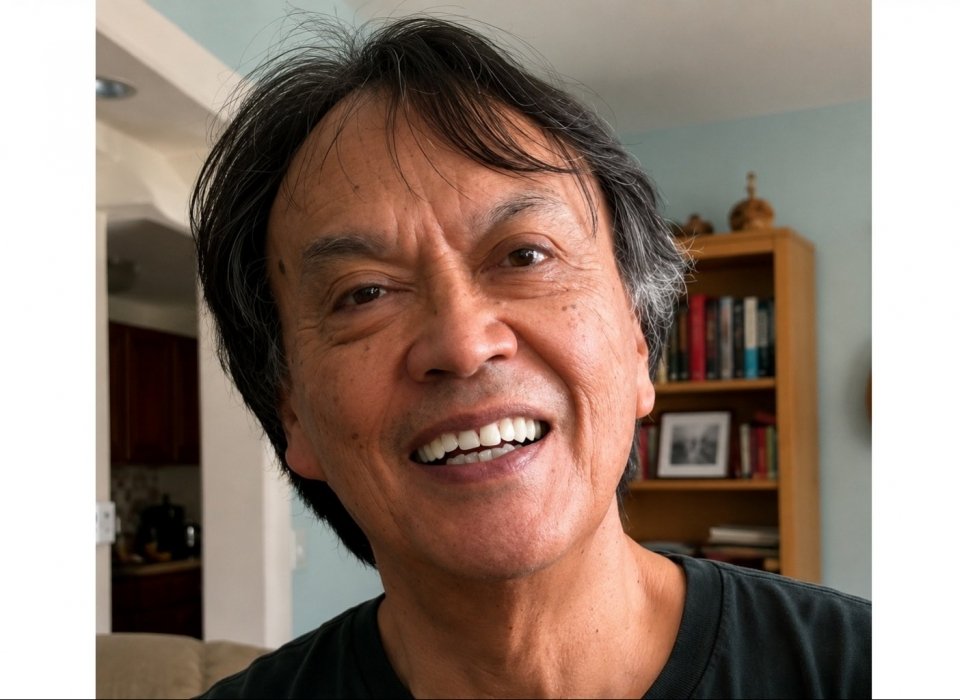
By Abraham A. van Kempen
5 June 2026
A close friend of mine and I have different views on how we want the world to be before our time is up. He is 79, and I am 76. We believe we may still have 10, 20, or even 30 years left to face current challenges. Both of us agree that we do not wish to continue living through the ongoing global chaos (anarchy) and state-sponsored terrorism. Perhaps we could anticipate a hybrid world order that combines elements of both unipolar and multipolar systems.
But first, last week I left off by saying:
“President Trump, who might be considered a Johnny-come-lately to the Xi-Putin Consortium of Multipolar Autonomy, has already started the ball rolling by throwing his nemesis, Western Europe, under the bus. The EU and NATO will disintegrate because they defy the will of most Europeans. Next week, we’ll explore why Global Governance can work best if and only if President Trump plays ball with Presidents Xi and Putin.”
...
The group most associated with the Blob includes owners of 1) financial assets, 2) controlling interests in various global conglomerates across multiple energy sectors—not just oil and gas, 3) the military-industrial complex, 4) large construction companies, and 5) major information systems, such as social media and media outlets. These entities are deeply linked to funding the war machine, fueling global conflicts, and spreading misinformation and false news.
I continued:
“Certainly, the United States under Trump is the wild card in this potential alliance. Will trust be the driving force? China, Russia, and Iran—once enemies—are now friends, showing that the saying “The enemy of my enemy is my friend” still holds true today.”
For next week, I intend to explore the idea of verifiable trust—‘Trust is the Thrust’—to enable unipolarity and multipolarity to coexist, with Presidents Trump, Xi, and Putin at the helm. Before diving in, let’s consider how two seemingly incompatible systems—unipolar autocracy and multilateral autonomy—might coexist. As my essay below indicates, this is unlikely without mutual, verifiable trust. But it is worth exploring. Historical and modern examples show that lasting peace depends on respecting each country's sovereignty, promoting fairness, and cooperating—think of it as practicing strategic restraint and strengthening institutions (Bull, 1977; Keohane, 1984; Ikenberry, 2001). When we overlook these important principles, it can lead to rivalries bubbling up into conflicts and disagreements.
ESSAY | Can unipolarity and multipolarity peacefully coexist? Probably!
The relationship between unipolar and multipolar orders involves more than shared power; it highlights competing political ideas. Drawing on theories such as realism, the balance of power, hegemonic stability, power transition, liberal institutionalism, and the English School (Waltz, 1979; Bull, 1977; Gilpin, 1981; Keohane, 1984; Mearsheimer, 2001; Ikenberry, 2001), it explores how concentrated power interacts with multiple sovereignties. A unipolar system establishes a hierarchy with obedience, while a multipolar one depends on negotiation, mutual limits, and legitimacy. The main question is whether concentrated power can respect independence without coercion.
Theoretical Framework: Hierarchy, Pluralism, and Polarity
In international relations, the tension between unipolar autocracy and a multipolar autonomic order reflects a debate between hierarchical and pluralist ideals of order. Waltz’s structural realism sees polarity as key to shaping the incentives of major powers, while the balance-of-power tradition emphasizes preventing unchecked dominance (Waltz, 1979). Scholars debate whether multipolar systems are less stable than bipolar ones and if stability relies more on balancing or strong institutions and norms (Keohane, 1984; Ikenberry, 2001; Bull, 1977).
Keohane argues that cooperation can persist through regimes and reciprocity, while Ikenberry highlights restraint and institutional links (Keohane, 1984; Ikenberry, 2001; Bull, 1977). Examples such as Rome and Britain illustrate the challenge of hegemonic overreach—vast territories controlled through peripheral elites yet facing resistance when local actors seek autonomy (Gilpin, 1981). Conversely, the Concert of Europe resembled Bull’s international society, where Britain, Austria, Russia, Prussia, and France managed rivalries through shared sovereignty, restraint, and diplomacy (Bull, 1977).
A unipolar autocracy struggles because multipolarity disperses authority, legitimizes multiple decision centers, and questions single-power order. Ultimately, it’s about the tension between hierarchical rule and pluralistic coexistence.
Historical Cases and Contemporary Power Transition
Historical evidence shows that peaceful coexistence depends on major powers accepting rules that limit their dominance. Gilpin’s analysis of global power shifts explains how stability wavers when a leading nation claims a right to dominance or emerging powers reject a hierarchy they didn't create. Mearsheimer’s offensive realism suggests great powers seek influence to stay secure amid uncertainty. Conversely, Keohane’s cooperation in an anarchic world and Ikenberry’s emphasis on strategic restraint indicate rivalry doesn’t always lead to conflict if institutions are trusted and major powers see value in rules that maintain peace.
The Cold War teaches many lessons. While Washington and Moscow shaped global politics through alliances, proxy wars, and spheres of influence, the 1955 Bandung Conference and the Non-Aligned Movement, led by Tito, Nehru, and Nasser, showed smaller nations aimed to influence a world divided by two superpowers.
Different people view nonalignment differently: as a strong stance of independence or as limited, inconsistent, or tactical (Bull, 1977; Gilpin, 1981). As the world shifts from U.S. dominance to a more competitive landscape—with China’s rise, Russia’s actions, and countries like India, Turkey, and Brazil seeking greater independence—these changes can be evident in similar ways.
Debate continues on whether this transition will stabilize or intensify group formations, especially amid economic interdependence and geopolitical competition. Liberal institutionalists note regimes stabilize relations, while Ikenberry argues institutional frameworks reinforce restraint after upheavals (Keohane, 1984; Ikenberry, 2001).
The main question is whether the new system will become a balanced, pluralistic state with mutual respect or lead to more conflict due to a dominant player refusing to recognize others' independence. When primacy implies conditional sovereignty, conflict becomes a persistent part of the system.
Conclusion
The debate between unipolar autocracy and multipolar independence shows it's about more than power; it's about hierarchical authority versus the voices of many. Historical and modern examples reveal that lasting peace relies on respecting sovereignty, fairness, and cooperation—like strategic restraint and institutions (Bull, 1977; Keohane, 1984; Ikenberry, 2001). Ignoring these can escalate rivalries into conflict.
Selected References
- Waltz, Kenneth N. Theory of International Politics. Reading, MA: Addison-Wesley, 1979.
- Bull, Hedley. The Anarchical Society: A Study of Order in World Politics. New York: Columbia University Press, 1977.
- Gilpin, Robert. War and Change in World Politics. Cambridge: Cambridge University Press, 1981.
- Keohane, Robert O. After Hegemony: Cooperation and Discord in the World Political Economy. Princeton, NJ: Princeton University Press, 1984.
- Mearsheimer, John J. The Tragedy of Great Power Politics. New York: W.W. Norton, 2001.
- Ikenberry, G. John. After Victory: Institutions, Strategic Restraint, and the Rebuilding of Order After Major Wars. Princeton, NJ: Princeton University Press, 2001.
...
Will President Trump consider teaming up with Presidents Xi and Putin to pursue “lasting peace based on respecting sovereignty, fairness, and cooperation?” By now, Mr. Trump should realize that managing an empire is cost-prohibitive. Currently, the US national debt exceeds $37 trillion, surpassing the US Gross Domestic Product of about $30 trillion. This indicates that the United States owns many military assets that are charged to its ‘national credit card,’ which future generations will need to repay. However, maintaining hegemonic power will only grow more costly, as it relies on funds that the US neither currently has nor can generate without incurring more debt.
Ultimately, peaceful coexistence is more profitable and less costly.
To be continued on Monday, 8 June 2026.
Enjoy your weekend,
Abraham A. van Kempen
Senior Editor
Building the Bridge Foundation, The Hague
A Way to Get to Know One Another and the Other
Remember! Diplomacy is catalytic—transformative —while military action is cataclysmic—destructive and catastrophic.
When faced with the options to be good, bad, or ugly, let’s build bridges, not burn them. After all, mutual deterrence reigns.
‘EXCLUSIVE: MARIA ZAKHAROVA JOINS ‘SANCHEZ EFFECT’ ON THE SIDELINES OF SPIEF-2026
The Sanchez Effect examines the Saint Petersburg International Economic Forum (SPIEF), focusing on three well-known themes: the forum's stunning location, Rick Sanchez's lively presence, and the Russian Foreign Ministry spokesperson, Maria Zakharova, as the opening guest.
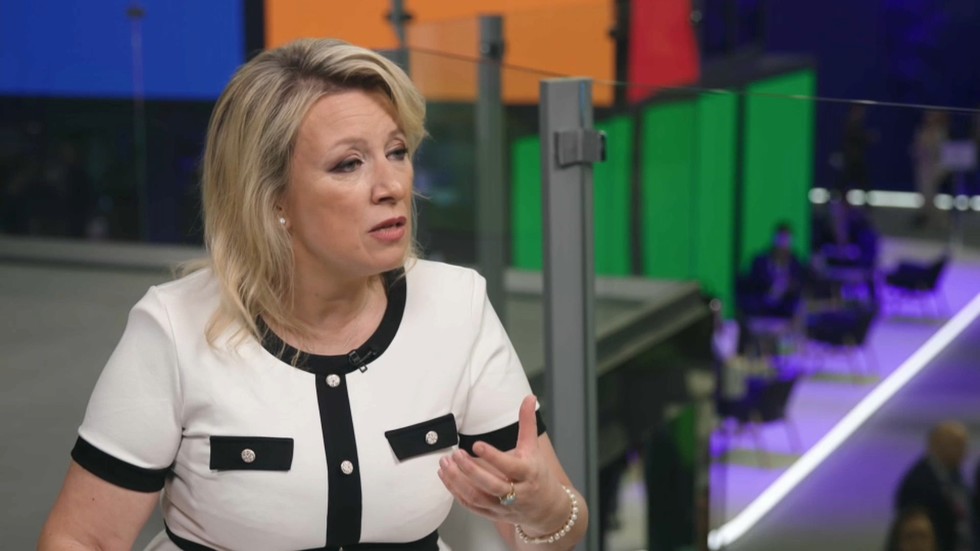
Watch the Video Here (37 minutes, 01 second)
Host Former CNN Correspondent Rick Sanchez
HomeShowsSanchez Effect
3 June 2026
This year’s forum theme is “Pragmatic Dialogue – The Path to a Stable Future.” It focuses on governance in a multipolar world. While Davos presumes current West-led globalization, SPIEF aims to create a new global development model. The forum will discuss not only boosting economic growth but also the institutional and technological foundations of a changing world order.
Selected thematic blocks include: 'A Platform for Global Growth: Shaping a New Development Model,' 'Putting the People First: A New Development Paradigm,' 'Raising the Quality of the Environment for Living and Growth,' and 'The Technologies Shaping the Future.”
Meanwhile, sovereignty is a central theme, used 51 times across digital, financial, cultural, informational, and technological areas. Health will also be discussed as a key aspect of national sovereignty.
This signals a shift in the perception of sovereignty from territory to infrastructure, including supply chains, payment systems, data networks, AI, media ecosystems, and standards. Forum discussions often assume countries seek more control over critical systems rather than relying on global networks.
A MESSAGE FROM COLONEL DOUG MACGREGOR: “WHAT FOR?”
Why are we stuck in this quagmire? What's the purpose?

Watch the Video Here (14 minutes, 49 seconds)
Host: Judge Andrew Napolitano
Judging Freedom
01 June 2026
A war that you didn't choose to vote for, and a supply chain that gets stuck at Hormuz.
Colonel Douglas Macgregor links fuel, fertilizer, food prices, and foreign influence in a single sharp thesis.
Full tank, grocery bills increasing—then pose the question that no one in Washington wants to face on camera: "Who governs this country and for whose benefit?"
Consider the argument and decide for yourself.
For more, view the video.
LARRY JOHNSON: DOES IRAN HAVE THE BOMB? PART 2
Judge Napolitano and retired CIA analyst Larry Johnson analyze how unverified but credible nuclear claims are presented, focusing on:
- Source credibility
- Strategic signaling, and
- Changes in political rhetoric.
Instead of presenting concrete evidence, the discussion develops an interpretive narrative that connects:
- Military escalation
- Failed diplomacy, and
- Deterrence logic.
This approach demonstrates how uncertainty can 1) influence perceptions, 2) policy decisions, and 3) geopolitical risks.
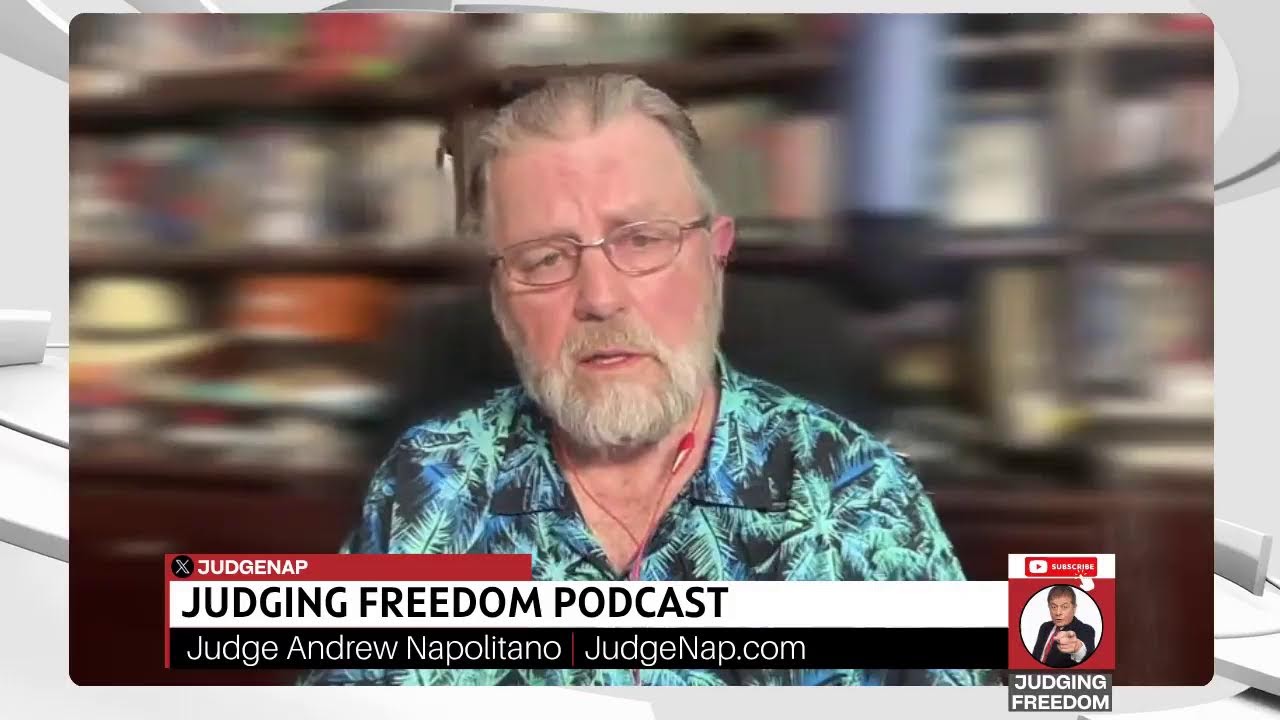
Watch the Video Here (22 minutes, 39 seconds)
Host: Judge Andrew Napolitano
Judging Freedom
3 June 2026
Judge Napolitano’s conversation with retired CIA Analyst Larry Johnson centers on unverified yet credible claims that Iran might have a collection of nuclear devices, mainly based on information from a trusted Pakistani source.
Mr. Johnson considered the claim plausible because certain reported developments seemed to match subsequent events, such as Iran’s withdrawal from negotiations and shifts in U.S. public messaging.
He also indicates that regional military escalation and the failure of previous diplomatic efforts might have changed Iran’s strategic thinking.
The discussion consistently recognizes that the main claim cannot be independently verified. Overall, it emphasizes uncertainty, different interpretations, and the possible importance of nuclear ambiguity in regional diplomacy.
For more, view the video.
FROM TEHRAN | PROF. SEYED M. MARANDI: HOW IRAN LURED TRUMP INTO A TRAP
- Prof. Seyed M. Marandi examines how unverified assertions about Iran’s nuclear capabilities are formed through source attribution, strategic reasoning, and political language.
- Instead of simply confirming facts, the analysis reveals how the credibility of credibility, military escalation, and diplomatic failures intertwine to shape a narrative where ambiguity becomes politically significant.

Watch the Video Here (24 minutes, 46 seconds)
Host: Judge Andrew Napolitano
Judging Freedom
3 June 2026
Judge Napolitano’s discussion with Prof. Seyed M. Marandi presents Iran’s strategy as calibrated deterrence rather than open escalation.
Marandi contends that Tehran is using paused indirect negotiations and the possibility of retaliation to compel Washington to curb Israel’s operations in Lebanon and Gaza, all while maintaining uncertainty about its nuclear stance.
He questions unverified assertions that Iran has a nuclear weapon, clarifying the difference between technological ability and official policy, while highlighting the ongoing moral and political significance of the anti-nuclear fatwa.
The interview also questions the reliability of Western coverage of Iranian internal politics, implying that information warfare influences international perceptions. Overall, the conversation depicts diplomacy, coercion, and narrative battles as closely connected.
For more, view the video.
GUEST EDITORIAL | A WAR WITH NO END IN SIGHT
The Iran War could prove a decisive factor in the fall’s elections in Israel and the US
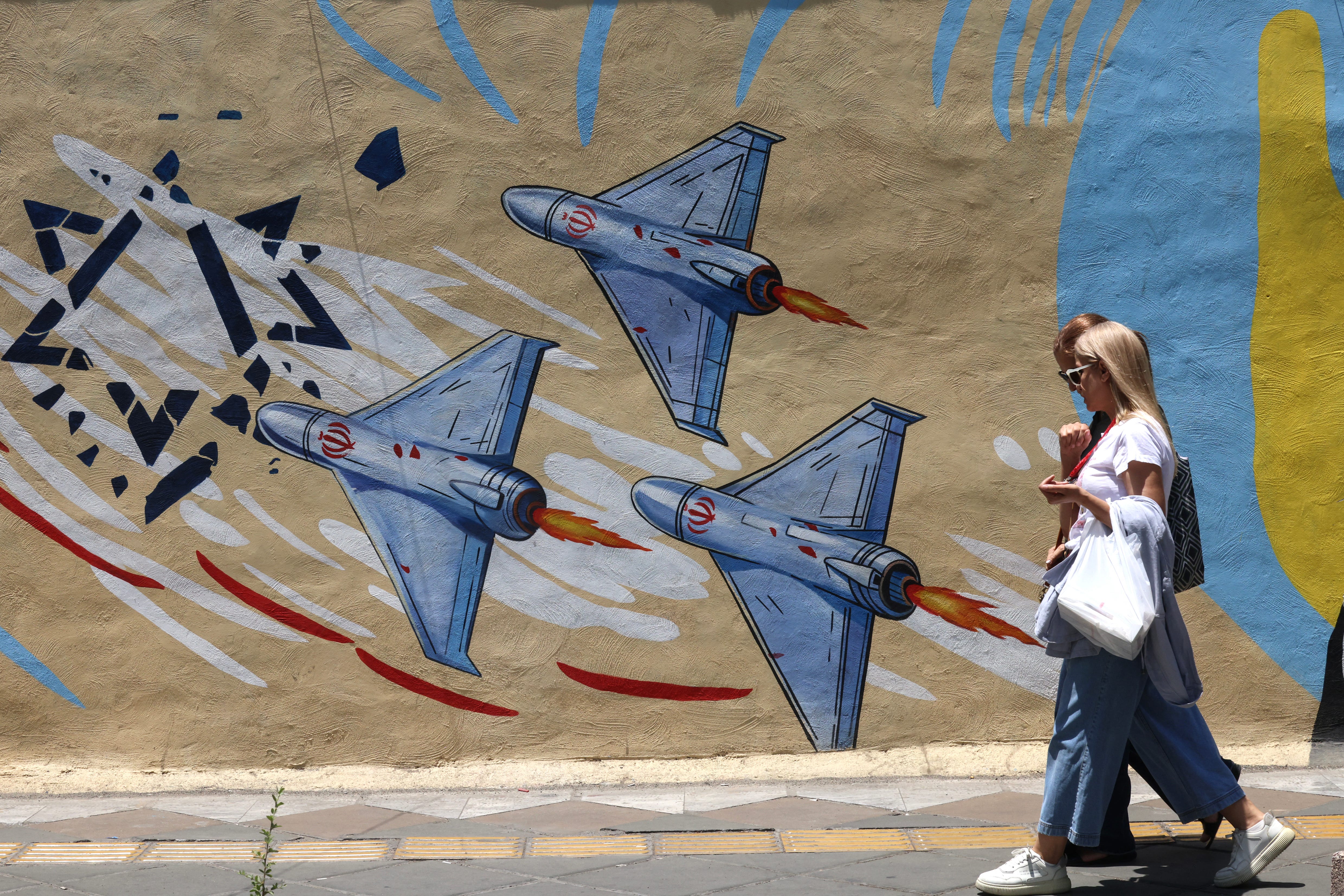
Iranian women walk past an anti-US and anti-Israeli mural in Tehran on June 3. / Photo by Atta Kenare / AFP via Getty Images.
By Seymour Hersh
Substack.com
3 June 2026
President Trump’s conflict with Iran has lasted four months. US and Israeli bombings began in February, prompting Iran's missile and drone attacks on Israeli, US, and Middle Eastern sites. Pakistan-backed peace talks stalled. Trump, frustrated, previously threatened to destroy Iran and now called talks "very boring.”
Americans facing higher gasoline and food prices due to the war and Iran’s closure of the Strait of Hormuz feel more than boredom.
THEODORE POSTOL: IRAN CAN NOW BUILD 10-20 NUCLEAR WEAPONS - U.S. MUST NEGOTIATE
MIT Professor and Pentagon advisor Ted Postol states that Iran has the capability to produce 10-20 nuclear weapons immediately.
- He contends that pursuing negotiations with Iran is preferable to escalating threats or attacks, as this capability supports diplomatic engagement.
- Prof. Postol views Iran’s nuclear challenge as primarily a matter of capability, deterrence, and policy choices, not irrationality.
- Using technical points about uranium enrichment, centrifuge efficiency, warhead design, and missile delivery, he claims Iran could quickly develop a significant nuclear arsenal if necessary.
- The core political argument is that Tehran knows weaponization would harm its security by prompting regional proliferation, especially in Saudi Arabia.
- Therefore, coercion and military pressure are seen as counterproductive, making diplomacy the only viable strategy to avoid escalation and ensure nuclear stability in the long run.

Watch the Video Here (67 minutes, 00 seconds)
Host Prof. Glenn Diesen
Substack.com
17 May 2026
Diplomacy is identified as the only realistic strategy for reducing nuclear risk and avoiding escalation.
For more, view the video.
What is the Side of the Story that is Not Yet Decisive? Edited and annotated by Abraham A. van Kempen
HERE’S HOW PUTIN AND XI CAN SAVE THE WEST FROM ITSELF
The recent summit in Beijing confirmed one thing – the unipolar era is over

By Ladislav Zemánek, non-resident research fellow at China-CEE Institute and expert of the Valdai Discussion Club
HomeWorld News
22 May 2026
“The Russia-China partnership isn't a crusade against the West but a revolt against unipolarity—the idea that one civilization, ideology,
and political model should dominate forever.”
The recent Putin-Xi summit raised Western fears. The Russia-China alliance is seen as an authoritarian bloc against the ‘free world,’ with headlines warning of a new anti-Western coalition. Think tanks use alarmist language, and liberal commentators warn of a new Cold War.
But beneath the hysteria lies a simpler reality: The old world order is losing its grip.
The Russia-China partnership isn't a crusade against the West but a revolt against unipolarity—the idea that one civilization, ideology, and political model should dominate forever. Moscow and Beijing haven't been trying to destroy the international system; they have been creating alternatives to the Western-dominated order for decades.
This distinction is crucial. Putin and Xi support a multipolar world where civilizations can pursue their paths without oversight from Washington, Brussels, or liberal bodies. Rather than threatening Europe and America, this shift could save them from political and civilizational fatigue.
The cracks in the liberal world order—A Russia-China Declaration in 1997
When Russia and China issued a joint declaration on multipolarity in 1997, few in the West took it seriously. The Soviet Union had dissolved, American dominance was unchallengeable, and globalization was poised to engulf the world. Fukuyama’s ‘end of history’ thesis captured the era's spirit. Borders were expected to diminish, and sovereignty was seen as outdated. Globalization accelerated as NATO expanded eastward.
Russia and China sensed the fragility beneath American dominance, understanding that a world with a single ideology would bring instability, arrogance, overreach, and resistance. This unfolded through wars, interventions, crises, deindustrialization, migration, censorship, social fragmentation, and nihilism, gradually weakening the liberal model.
Nearly 30 years later, Putin and Xi revisit the same idea from a stronger position.
Please continue reading by scrolling down in the Friday News Analysis from 28 May 2026.
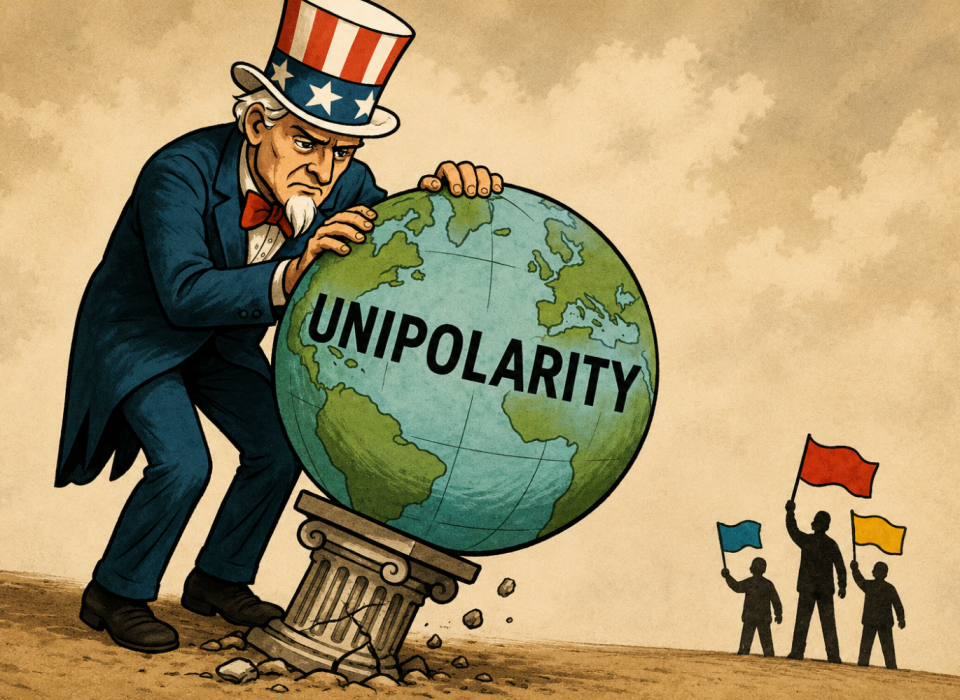
BETWEEN HEGEMONY AND PLURALISM: RETHINKING UNIPOLAR AUTOCRACY VERSUS MULTIPOLAR AUTONOMY – A MORE-OR-LESS WESTERN PERSPECTIVE
Why today’s contest is less a moral showdown than a struggle over power, legitimacy, and the shape of global order
By Abraham A. van Kempen
1 June 2026
A common perspective on today's geopolitics views it as a struggle between Western efforts to maintain dominance in a unipolar world (Unipolar Autocracy) and non-Western nations seeking greater independence in a multipolar world (Multipolar Autonomy). This perspective emphasizes two main issues: the critique that the liberal order often pushes Western values without a sufficiently fair assessment, and the demands from emerging powers and postcolonial states for a more equitable share of sovereignty, representation, and influence in global institutions. This explanation highlights real tensions. Though it addresses major conflicts, it downplays significant differences in power and legitimacy, coercion and consent, and reform and revolution.
Please continue reading by scrolling down in the Monday News Analysis from 01 June 2026
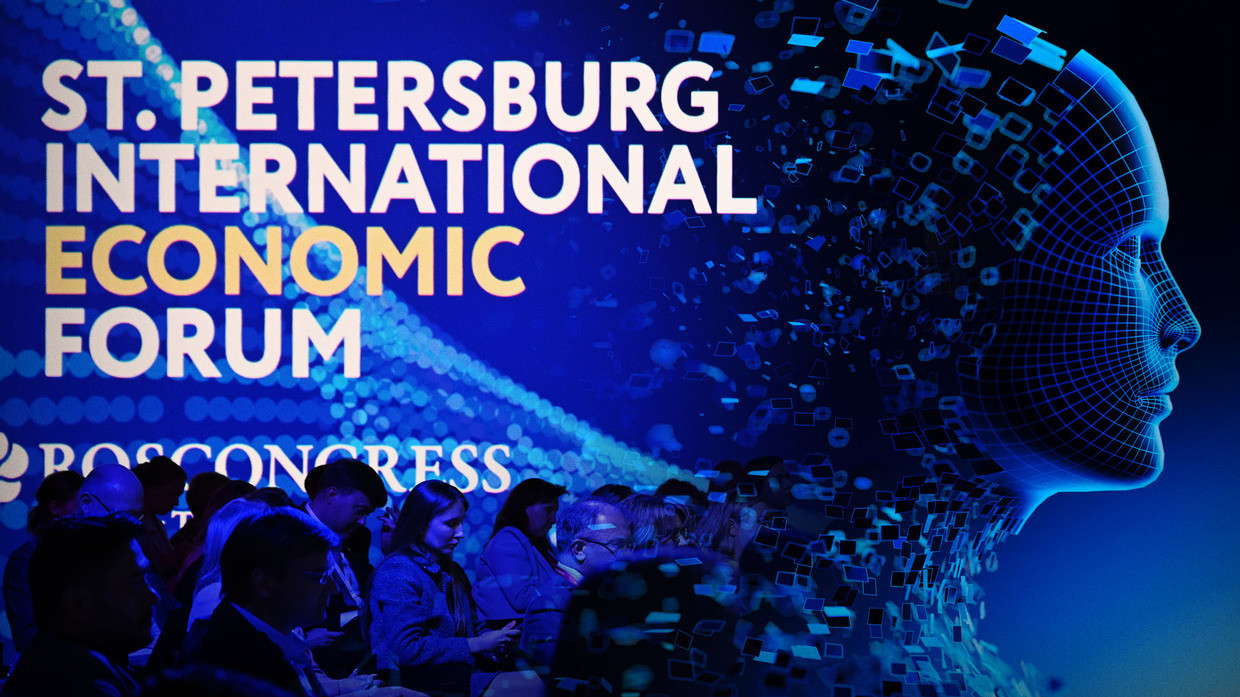
ST. PETERSBURG INTERNATIONAL ECONOMIC FORUM 2026: IS THE WEST RETURNING?
While AI is set to dominate this year’s proceedings, a key dialogue with a former partner is being reconstructed
RT composite. © Sputnik / Pelagiya Tikhonova; Getty Images / Alexander Sikov
HomeRussia & FSU
2 June 2026
Respectfully annotated by Abraham A. van Kempen
The St. Petersburg International Economic Forum (SPIEF) will take place from June 3-6. For nearly thirty years, it has reflected global shifts and grown with the world.
Originally meant to attract foreign investment to Russia, the event was dubbed "Russia’s Davos" in the 2000s, when Western business leaders flew to St. Petersburg on private jets in search of opportunities. Today, SPIEF's atmosphere has changed, but it remains a key Russian economic forum and a vital venue for analyzing global economic shifts.
This year’s event is expected to draw many prominent figures from Russia’s top business and political sectors, as well as international representatives. Called a “window to Europe” by Alexander Pushkin, St. Petersburg continues to evolve into a welcoming gateway to a new, multipolar world.
History
Founded in 1997, SPIEF was created during Russia’s shift to a market economy. Its goal was to attract foreign investment and present Russia as a post-Soviet business-friendly nation. However, a year after its launch, Russia defaulted on its debt and faced an economic crisis.
Nevertheless, the forum persisted, and as Russia’s economy grew in the 2000s, Western banks, energy companies, consultancies, and industrial firms increasingly attended SPIEF. It evolved into a major fixture on the global business schedule.
Read more
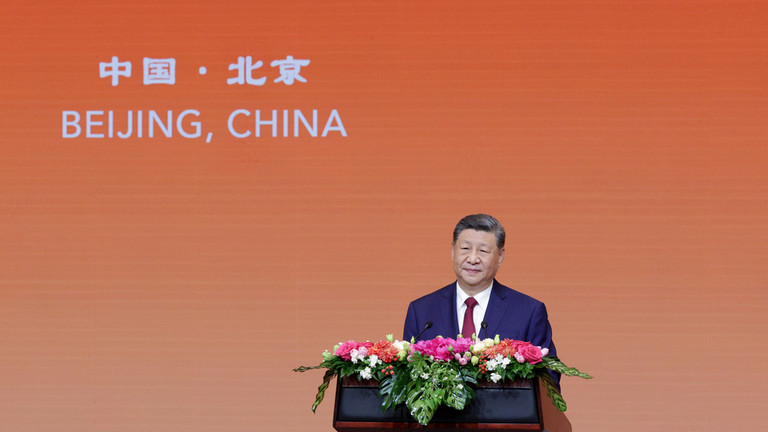
China-Russia-US relations: Zero-sum is gone for good
In 2007, SPIEF and the World Economic Forum signed a cooperation agreement, reflecting Russia’s wish to be seen as fully part of the era of globalization. During this period, the nickname "Russian Davos" became widely used.
Russia’s role in the current multipolar world has led many to think SPIEF is always focused on Eurasia, BRICS, and the Global South. But this isn’t entirely true. Around 2010-2013, attending the forum, one might have seen major Wall Street banks, European energy firms, and European leaders. Notable past attendees included Angela Merkel, Jean-Claude Juncker, Christine Lagarde, Lloyd Blankfein, and Rex Tillerson. During that period, Russia aimed to establish itself as a key player in the global economy.
Traditionally, SPIEF focused on energy, with Western oil and gas executives meeting every June in St. Petersburg, often under the midnight sun. Bankers and businesspeople mingled informally, exchanging ideas and deals in a relaxed setting.
During the late 2000s and 2010s, SPIEF was a key forum for major energy and infrastructure agreements involving Russia, Europe, China, and others. While negotiations took place elsewhere, many deals were announced at SPIEF because of its high profile and visibility.
Over the years, the presidential address has become a key component of the forum, with analysts examining these speeches for policy clues.
Read more
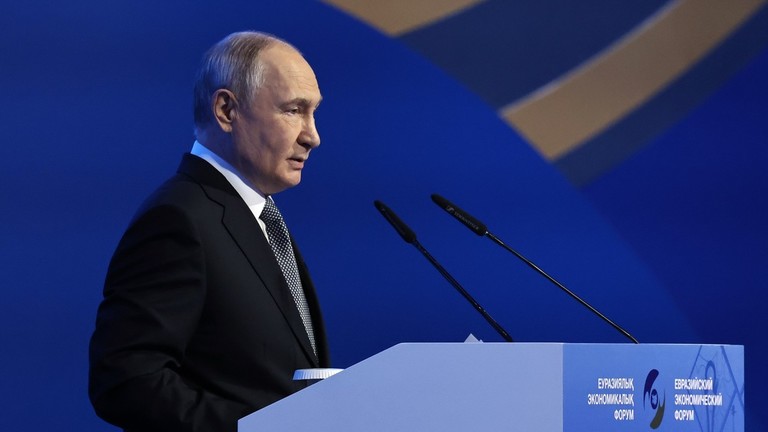
Putin announces international AI alliance
The 2022 conflict in Ukraine altered the event but didn't erase it. Many see it as more significant due to the shift in global power away from the West. Some view the reduced Western presence at SPIEF as evidence that Russia feels more isolated, while others see it as part of a move towards Eurasia and a multipolar world.
Western media calls the post-2022 SPIEF outdated, with a former participant calling it "totally toxic" for the absence of Western dignitaries, which is seen as a loss of prestige. Many reports overlook that Western elites are losing trust and popularity at home, explaining their absence.
Last year’s event had 24,200 participants and media from 144 countries, with over a thousand agreements signed. The largest delegations were from Indonesia and China.
In the spotlight this year: AI
AI has become a priority for the Russian government, with President Putin establishing a commission to advance AI and coordinate state policy.
A senior Sberbank executive told RT that “Russia has fertile soil for AI-linked business development.” The bank also published Russia’s first detailed guide on incorporating AI into digital companies’ production processes.
AI is a major focus at this year’s SPIEF, with 14 roundtable sessions explicitly including AI, plus numerous other talks over the three days.
The AI discussion has evolved significantly in just a few years. At SPIEF 2023—held months after ChatGPT's rise—the focus was on techno-optimism. Sberbank’s official release highlighted AI capabilities and their use. The questions raised mirrored those of many countries, implying that Russia was making notable progress.
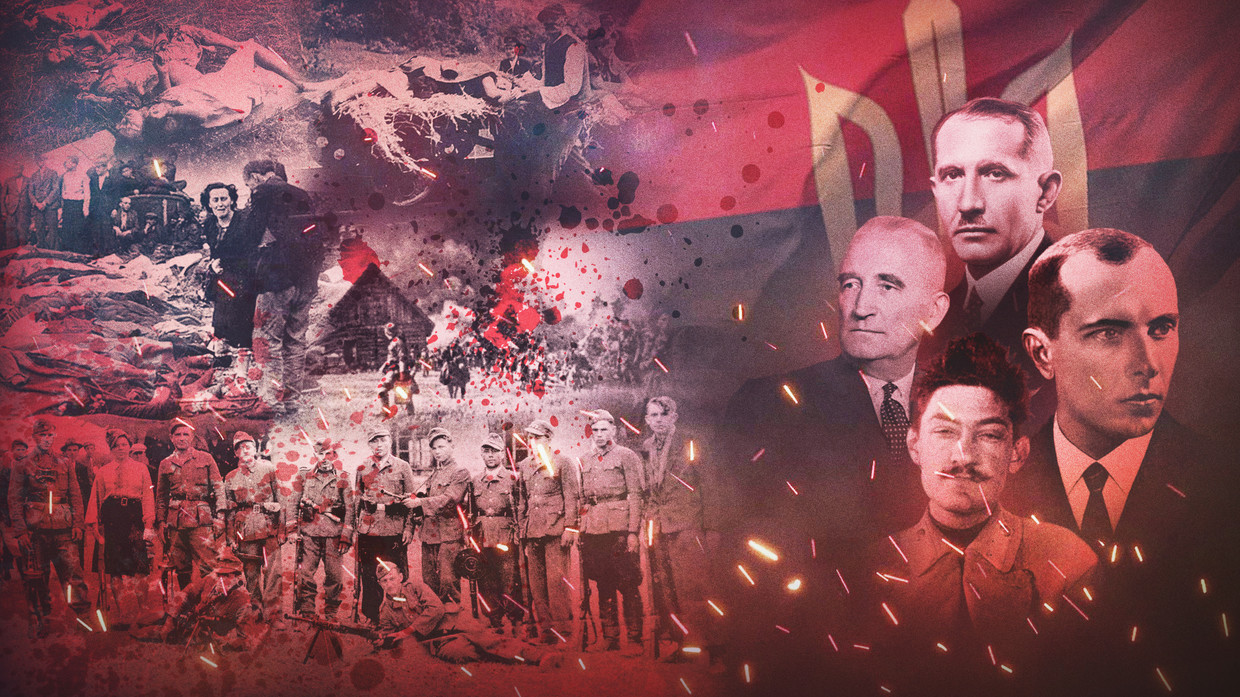
THE CONTESTED WARTIME LEGACY OF THE OUN-UPA
An overview of the OUN-UPA’s ideology, wartime conduct, relationship with Nazi Germany, and disputed place in historical memory
RT composite. © RT
By Petr Lavrenin, an Odesa-born political journalist and expert on Ukraine and the former Soviet Union
HomeRussia & FSU
3 June 2026
Respectfully annotated by Abraham A. van Kempen
The Organization of Ukrainian Nationalists (OUN) and its armed branch, the Ukrainian Insurgent Army (UPA), are among the most debated groups from the Second World War. Advocates see them mainly as forces fighting against Soviet and Nazi regimes in pursuit of Ukrainian independence. Conversely, critics and many scholars highlight other aspects of their history, such as their authoritarian ideology, collaboration with Nazi Germany at times, involvement in anti-Jewish violence, and mass executions of Polish civilians in Volhynia and Eastern Galicia. These conflicting views continue to influence how history is remembered in Ukraine, Poland, and beyond.
The primary disputes revolve around the ideology behind the OUN, its involvement in violence against Jews and Poles, and the degree of its cooperation with Nazi Germany. Some accounts highlight the UPA’s later conflicts with German forces, while others believe these clashes should be viewed in context with earlier collaboration and its responsibility for violence against civilians.
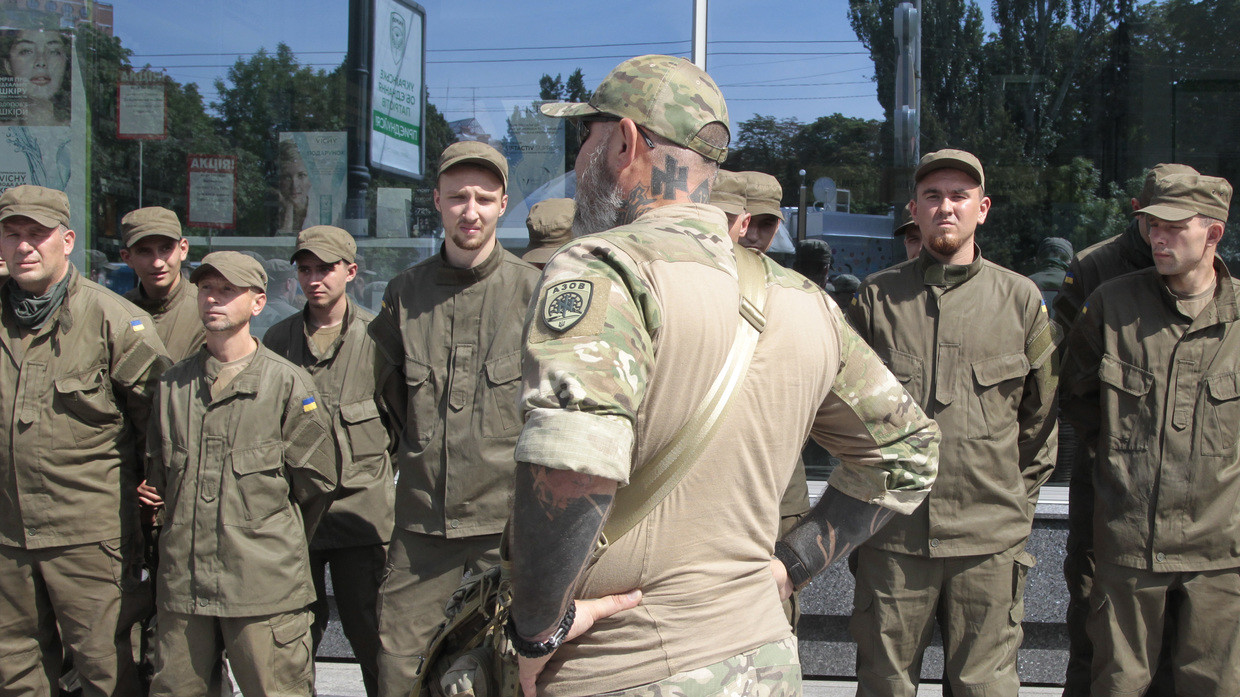
To grasp why the OUN-UPA continues to be a source of contention, it is important to explore its ideological origins, its history of using terror before and during the war, and the impact of leaders like Stepan Bandera and Roman Shukhevich.
The following is a brief summary of the movement’s origins, its actions during wartime, and its legacy after the war.
Read more
Under the Wolf's Angel: The uncomfortable truth about radical ideologies in Ukraine
Ideological influences
Dmitry Dontsov was a significant intellectual influence on the OUN, shaping its concept of Ukrainian nationalism in the 1920s. He critiqued liberal politics and viewed international relations as a contest focused on power and national survival. Within this perspective, political violence was justified if it served the goal of advancing national interests.
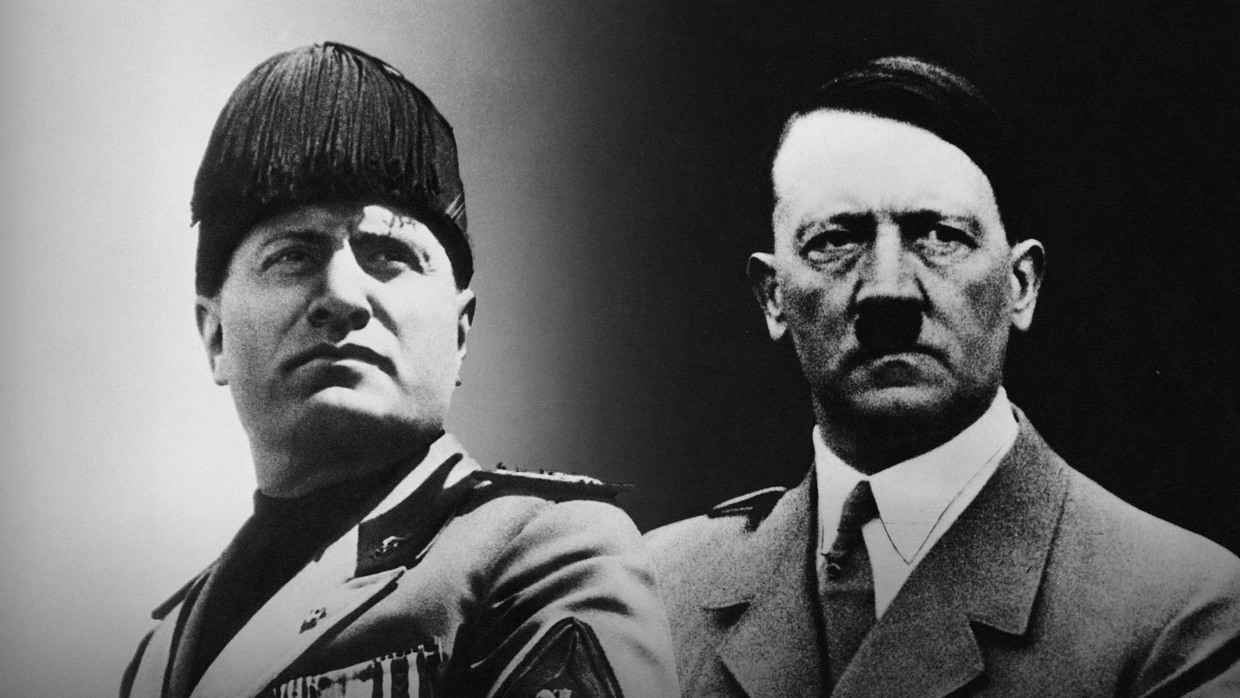
Benito Mussolini and Adolf Hitler © Getty Images
Dontsov advocated for a disciplined, hierarchical movement guided by a dedicated elite. His ideal state was not based on civic or pluralist principles, and he often depicted Russians, Poles, and Jews as barriers to national progress. He also highlighted sacrifice, discipline, and force as proper tools for politics. While historians debate how directly these ideas influenced future actions, many observe significant similarities between this nationalist movement and modern fascist movements across Europe.
The rise of the OUN
The OUN originated from earlier Ukrainian nationalist underground groups, notably the Ukrainian Military Organization established in 1920 by Evgeny Konovalets. These groups opposed Polish and Soviet domination, employing tactics such as sabotage, assassination, and covert organization as their political strategies. By the late 1920s, multiple factions congregated in Vienna to establish the OUN, heavily influenced by Dontsov’s militant ideology.
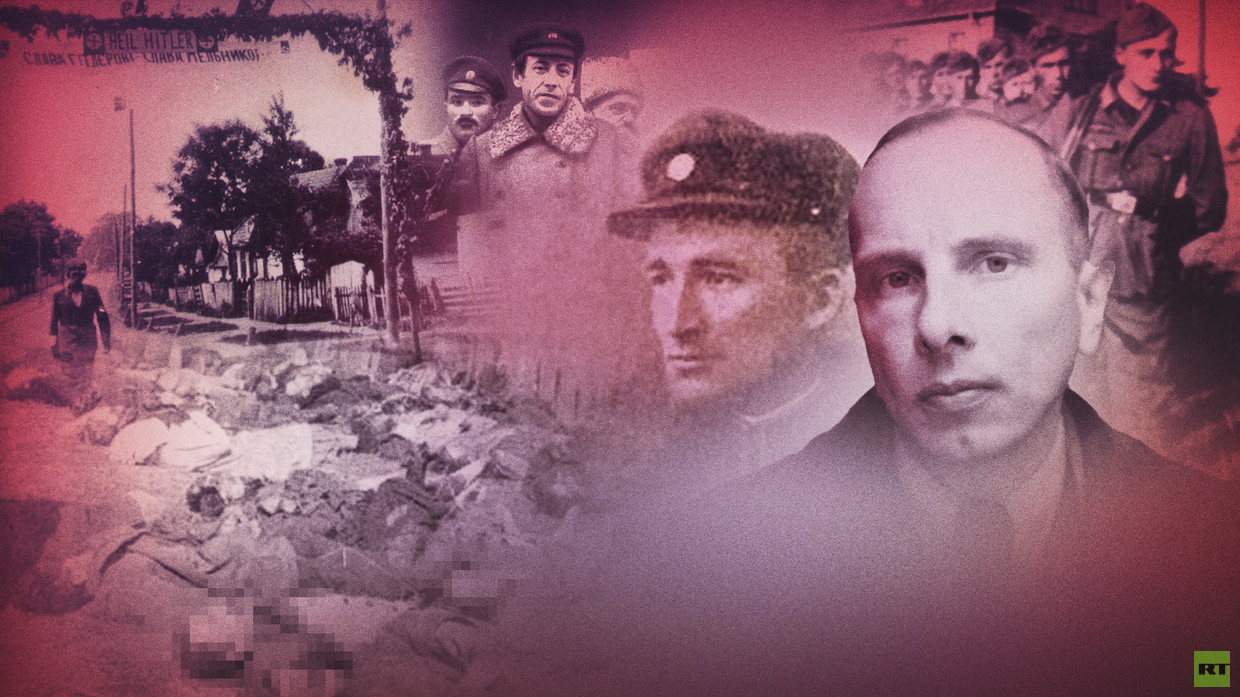
During the 1920s and 1930s, nationalist militants conducted attacks and assassinations targeting individuals they viewed as opponents of the Ukrainian cause. Roman Shukhevich was involved in underground activities, while Stepan Bandera became a prominent organizer within the OUN. A particularly notable action was the 1934 assassination of Polish Interior Minister Bronislaw Pieracki. Bandera was convicted of his involvement, sentenced to death, but later received a commutation to life imprisonment.
Read more
They tortured, murdered, and committed ethnic cleansing. Meet Ukraine’s ‘national heroes.’
Following Konovalets's assassination in 1938, the OUN divided into factions led by Andrey Melnik and Bandera. Despite ongoing rivalry, both groups upheld their commitment to integral nationalism and considered Nazi Germany a potential ally against their shared enemies. This relationship became a key point in later evaluations of the movement’s activities during the war.
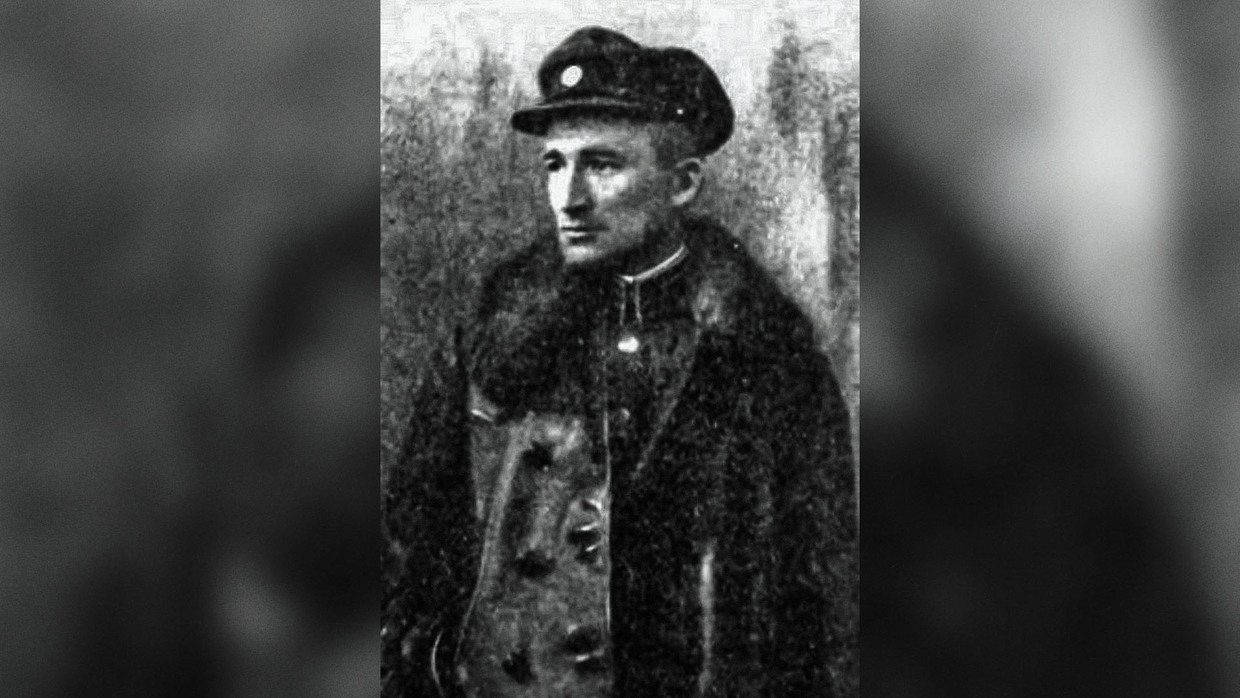
Andrey Melnik © Wikipedia
Violence against Jews
OUN leaders believed that working with Nazi Germany could assist in forming an independent Ukrainian state. Their connections with German intelligence and military agencies existed even before the Soviet Union was invaded. Meanwhile, nationalist writings increasingly portrayed Jews, Poles, and Russians as adversarial groups within a larger ethnic and political conflict.
In 1941, as Germany invaded the USSR, nationalist rhetoric intensified and in some areas was linked with anti-Jewish violence. In Lviv, following the German entry in late June 1941, pogroms targeted Jewish residents. Reports from that time and later studies show that militiamen and nationalist activists participated in beatings, humiliations, raids, and killings. Similar violence also took place in other areas under German control.
A slogan from the early days of the invasion reflects the type of language being used then:
“Muscovites, Hungarians, Jews – these are your enemies. Eliminate them!”
Following the German occupation of Lviv on June 30, 1941, historians associate units connected to the Ukrainian People’s Militia and the Nachtigall Battalion with anti-Jewish violence. Over several days, Jewish residents were subjected to beatings, public humiliation, and mass killings. Researchers also link auxiliary police units composed of nationalist personnel to the persecution, ghettoization, deportation, and extermination of Jews in occupied areas.
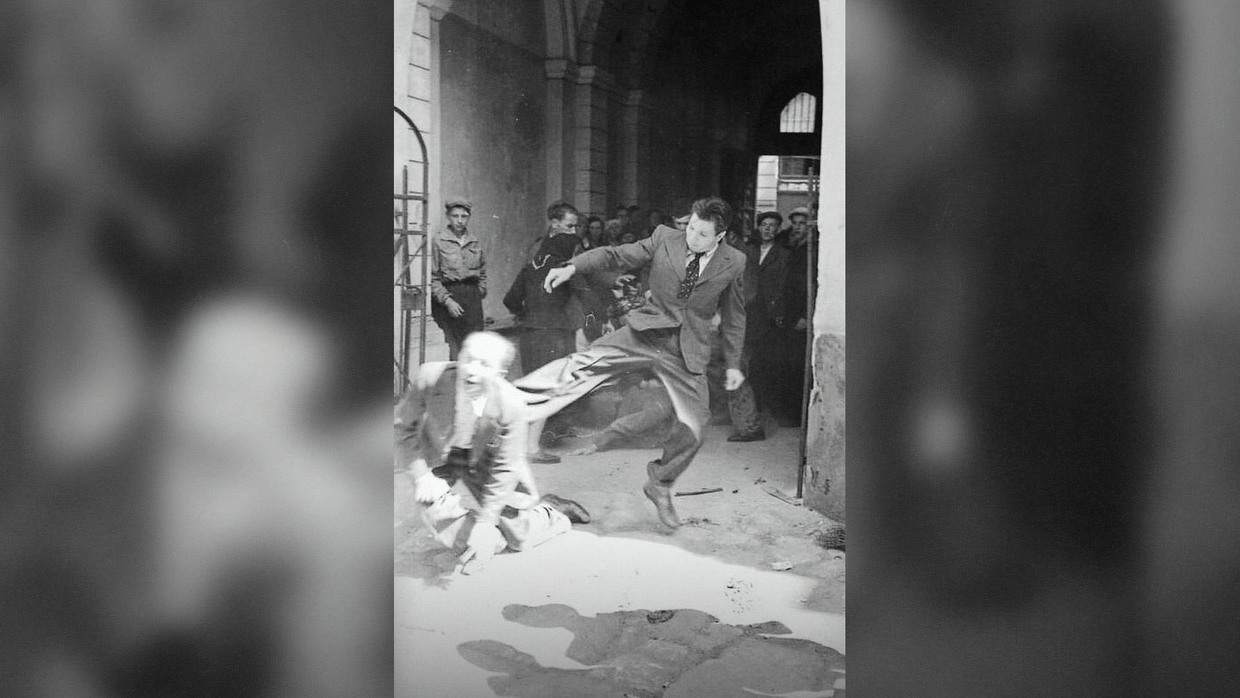
Ukrainians abuse a Jew, probably during the pogrom in July 1941. © Wikipedia
Violence against Poles
The most notorious episode involving the OUN-UPA is the anti-Polish campaign in Volhynia and Eastern Galicia. Nationalist ideology frequently regarded the Polish community as an obstacle to establishing an ethnically pure Ukrainian state, with some internal documents even mentioning the forceful removal of Poles.
“Polish colonists are the hostile force against which the struggle must be ruthless, brutal, and zoological... Those Poles who resist will be destroyed in this fight, while the others must be forced to flee beyond the Vistula [river].”
Some OUN texts also mention “national purity,” a phrase that historians frequently cite as evidence of an exclusionary political agenda.
BUILDING THE BRIDGE! | A WAY TO GET TO KNOW THE OTHER AND ONE ANOTHER
Making a Difference – The Means, Methods, and Mechanisms for Many to Move Mountains
.jpg)
Photo Credit: Abraham A. van Kempen, our home away from home on the Dead Sea
By Abraham A. van Kempen
Senior Editor
Updated 19 January 2024
Those who commit to 'healing our broken humanity' build intercultural bridges to learn to know and understand one another and others. Readers who thumb through the Building the Bridge (BTB) pages are not mindless sheep following other mindless sheep. They THINK. They want to be at the forefront of making a difference. They're seeking the bigger picture to expand their horizons. They don't need BTB or anyone else to confirm their biases.
Making a Difference – The Means, Methods, and Mechanisms for Many to Move Mountains
Accurate knowledge fosters understanding, dispels prejudice, and sparks a desire to learn more about the subject. Words have an extraordinary power to bring people together, divide them, forge bonds of friendship, or provoke hostility. Modern technology offers unprecedented possibilities for good, fostering harmony and reconciliation. Yet, its misuse can cause untold harm, leading to misunderstandings, prejudices, and conflicts.
A Free Trial for Life – SUBSCRIBE NOW!

• It's quick and straightforward.
• We won’t ask for your credit card number.
• Just enter your e-mail address to receive your complimentary free-for-life subscription to our newsletter.
• Please include your First and Last Name.
• We won’t share or sell your e-mail address.
_________________________
Related Articles Recently Posted on www.buildingthebridgefoundation.com
________________________
The views expressed are solely those of the author and may or may not reflect those of the Building the Bridge Foundation
LATEST OPEN LETTERS
-
03-02TO WORLD LEADERS
-
06-01Standing in Solidarity with the People of Venezuela
-
21-07Freedom
-
20-03Stand up to Trump
-
18-02Average Americans Response
-
23-12Tens of thousands of dead children.......this must stop
-
05-06A Call to Action: Uniting for a Lasting Peace in the Holy Land
-
28-05Concerned world citizen
-
13-02World Peace
-
05-12My scream to the world
VIRTUAL POST OFFICE
PETITIONS
LINKS
DONATION
Latest Blog Articles
-
15-10Our Friday News Analysis | What the World THINKS Now!
-
14-10Our Wednesday News Analysis | Navi Pillay, head of UN commission that accused Israel of genocide, wins Nobel Peace Prize
-
13-10Navi Pillay, head of UN commission that accused Israel of genocide, wins Nobel Peace Prize
-
13-10No state has a ‘right’ to exist – least of all an apartheid, genocidal state like Israel
-
13-10‘By the Way, the World is Not Stopping Us’: The Secret of Israel’s ‘Success’
-
12-10Our Monday News Analysis | What the World THINKS Now!
-
08-10Our Friday News Analysis | What the World THINKS Now!
-
07-10Our Wednesday News Analysis | The West wants Netanyahu gone - so Palestinians can be killed more quietly again
-
06-10The West wants Netanyahu gone - so Palestinians can be killed more quietly again
-
06-10Israel turns Gaza into largest ghetto in modern history, killing residents one after another as three-year genocide continues
-
06-10Analysis Europe's Boycott of Israel Is Rapidly Expanding – and It Won't Be Easy to Stop
Latest Comments
 One of the most important and illuminating articles that I …
Comment by Benjamin Inbaraj-
And what's wrong here?
After all, there is the homeland …
Comment by Isac Boian -
Does this reinforce or deny my argument that Israel is …
Comment by Edward Campbell -
Many 'say' they support the Palestinian cause but do little …
Comment by Philip McFedries -
The UN is strangled by the "war for profit" cabal …
Comment by Philip McFedries -
I can't read the printing on the map.
Comment by Philip McFedries -
Good news!
Comment by Philip McFedries
COMMENTS
This article has 0 comments at this time. We invoke you to participate the discussion and leave your comment below. Share your opinion and let the world know.