 NEWSLETTER
The Friday Edition
Our Friday News Analysis | What the World Reads Now!
Helping to Heal a Broken Humanity (Part 69)
The Hague, 30 January 2026 | If you know of a decisive story, tell the world! We're still searching.
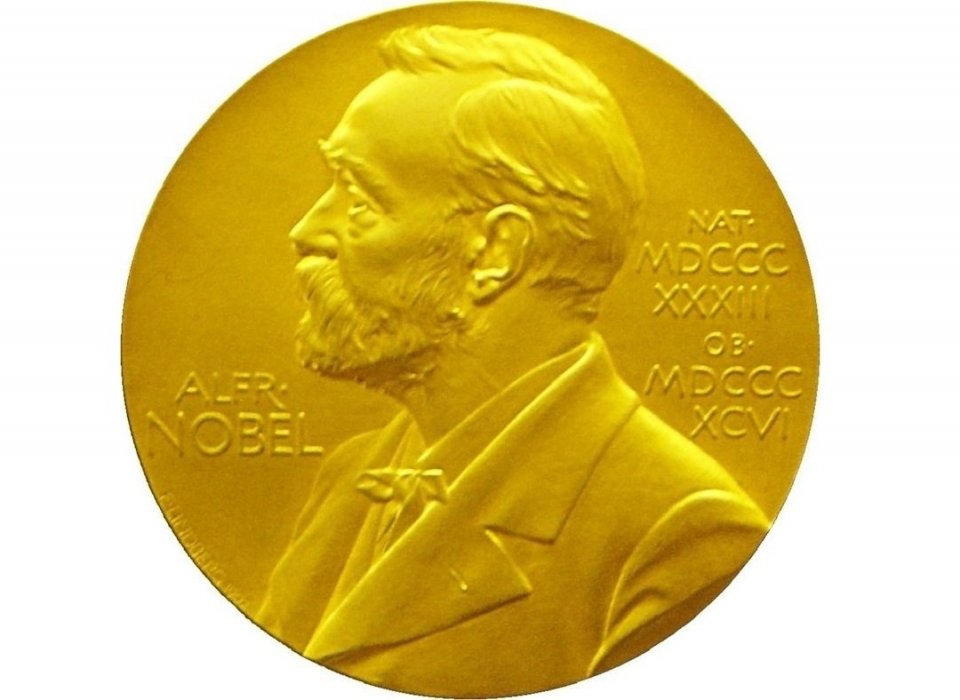
Off to the Races …
Click here for Part 1
Click here for Part 2
Click here for Part 3
Click here for Part 4
Click here for Part 5
Click here for Part 6
Click here for Part 7
Click here for Part 8
Click here for Part 9
Click here for Part 10
Click here for Part 11
Click here for Part 12
Click here for Part 13
Click here for Part 14
Click here for Part 15
Click here for Part 16
Click here for Part 17
Click here for Part 18
Click here for Part 19
Click here for Part 20
Click here for Part 21
Click here for Part 22
Click here for Part 23
Click here for Part 24
Click here for Part 25
Click here for Part 26
Click here for Part 27
Click here for Part 28
Click here for Part 29
Click here for Part 30
Click here for Part 31
Click here for Part 32
EDITORIAL | Off to the Races …
By Abraham A. van Kempen
30 January 2026
This week’s Friday News Analysis will highlight our nominations of Presidents Donald Trump, Xi Jinping, and Vladimir Putin for the 2026 Nobel Peace Prize. I want to share the email from Norway I received a few days ago. Please note that the deadline for submitting nominations is tomorrow at midnight.
Congratulations!
You have been granted access to the Nobel Peace Prize electronic nomination form. Access is granted under the condition that all personal information you provided is accurate and that you belong to a group authorized to make nominations. The electronic nomination form allows you to nominate up to five candidates for the same effort; however, please note that the Nobel Peace Prize cannot be shared among more than three nominated candidates. The Prize may also be awarded to institutions and organizations.
Nomination
The nomination consists of three main parts:
- the name of the candidate(s)
- a brief justification for the nomination
- a somewhat longer statement explaining why, in your opinion, the nominated person(s) and/or organization(s) deserve the Nobel Peace Prize
You may upload additional documentation in PDF format. Please do not use long file names.
You may submit one nomination at a time. After submitting a nomination, you may log on again to submit another nomination.
Please note that the nomination deadline is 31 January at 12 midnight CET.
Protection of personal data
The Norwegian Nobel Institute’s treatment of personal data is governed by the EU General Data Protection Regulation (GDPR).
By submitting a nomination, you will allow The Norwegian Nobel Institute, on behalf of The Norwegian Nobel Committee to store some of your personal data to verify your right to nominate. Your name, institutional affiliation, and your current position at said institution will be stored in our archives for historical purposes. Your name and e-mail address may be used during the year of the nomination to confirm the validity of the nomination, but not for any other purposes. Data in nominations deemed invalid will be deleted.
Back to the grindstone…
Enjoy your weekend.
Sincerely,
Abraham A. van Kempen
Sr. Editor
Building the Bridge Foundation, The Hague
A Way to Get to Know One Another and the Other
Part 1: Introduction
Incentivizing President Donald J. Trump, President Xi Jinping, and President Vladimir V. Putin to Help Heal a Broken Humanity
Will Presidents Trump, Jinping, and Putin work together to renew humanity through hope and unity, emphasizing dialogue and cooperation in a multipolar world?
Can bad people do good and vice versa?
Will the Nobel Peace Prize be enough of an incentive to enrapture the most powerful leaders of our time to become role models to engender global peace?
Our world, driven by shared deterrence, is becoming multipolar, requiring focused reciprocity, meaningful alliances, and verifiable trust, indispensable for survival.
Obstacles like conflicts, tensions, and unstable alliances can be managed and minimized. A multipolar world needs collaboration and inclusive leadership to overcome differences and cultivate unity.
The Foundation stresses building—not burning—bridges for humanity's future. It cites Middle Eastern dialogue, Iran-Russia, and US-Russia back-channel teamwork to prevent World War III. The BRICS Alliance exemplifies turning enemies into allies — “The enemy of my enemy is my friend.”
Our mission is to heal a broken humanity by rediscovering human dignity, equality, and justice. Our core belief, “destroy your enemy by becoming friends,” embodies peaceful coexistence.
Diplomacy is catalytic—transformative. Warfare is cataclysmic – catastrophic.
Deterrence rules!
What is the Side of the Story that is Not Yet Decisive? Edited and annotated by Abraham A. van Kempen
_________________________
Editor’s Note | Nomination for the Nobel Peace Prize 2026 Successfully Submitted
Your nomination for the Nobel Peace Prize 2026 has been successfully submitted.
The Norwegian Nobel Committee appreciates your effort in making this nomination.
If you wish to make another nomination, please log on to:
https://nominations.nobelpeaceprize.org
Kind regards,
The Norwegian Nobel Institute
The Building the Bridge team gratefully acknowledges that the Norwegian Nobel Institute has provided us with access to the Nobel Peace Prize electronic nomination form. We are honored to be part of what must be a selective process.
Perhaps the Nobel Peace Prize Committee considers the core principles of Building – not Burning – the Bridge as a valid approach to foreign policy. We adhere to President Abraham Lincoln’s conviction, “Destroy your enemies by becoming friends.”
Peace, whether at home or on the earth’s periphery, can be attained through genuine strength—humility – “The meek shall inherit the earth.” The alternative could result in mutual annihilation.
Thank you for being part of the Building the Bridge Foundation, The Hague.
_________________________
Part 2: Off to the races. Nothing is more noble and worthwhile than pursuing global peace (Maximum 2000 words).
Neither Presidents Trump, Jinping, nor Putin can succeed alone; they need to work together on common goals despite their differences. Their actions demonstrate understanding and cooperation in the face of conflict, suggesting that future harmony is likely. Recently, these three influential world leaders have each, in their own way, shown a dedication to peace.
This nomination isn't about their past accomplishments, but rather about how they will upstage those achievements together starting in 2026.
The Building the Bridge Foundation advocates for a more balanced world through mutually beneficial international cooperation. It prioritizes teamwork over conflict to create a better future, demonstrating that collaboration outweighs confrontation.
- Donald Trump (United States): Supports "America First" policies, emphasizing sovereignty and questioning alliances. His withdrawal from international commitments has shifted global power towards a more balanced distribution among major nations, reducing U.S. dominance.
- Xi Jinping (China): Promotes initiatives such as the Belt and Road and emphasizes "win-win” solutions. He urges reform of global governance to better represent the interests of emerging and developing countries, aiming for a more diverse and balanced international system.
- Vladimir Putin (Russia): Actively champions a multipolar world as a counterweight to Western dominance. He calls for respect for national sovereignty, non-interference, and a global order where multiple centers of power coexist and cooperate.
In summary, President Donald Trump, President Xi Jinping, and President Vladimir Putin support a multipolar world but pursue different strategies
Each leader supports multilateralism and reforms, but clashes with Western Neo-Colonialists, banking on ‘Western Exceptionalism’ rooted in Divine Right. The world has evolved, and former colonies are catching up to old empires.
The world rejects the precepts of Western dominance:
What is ours is ours.
What is yours is ours also.
You’re either for us or against us.
It’s either our way or the highway.
If you’re not for us, you’re dead meat.
President Donald J. Trump
To navigate the diverse and often conflicting interests surrounding his presidency, he resorts to inimitable song-and-dance acts to connect and communicate. His main goal is to protect America from itself, tackling contentious issues like the $40 trillion national debt. Mr. Trump excels at dividing and conquering by giving both allies and adversaries what they want to hear, winning over friends and foes alike.
President Trump is an unconventional leader known for his confrontational style, social media presence, and mastery of news cycles. Critics say he uses distraction tactics, reshapes narratives, and leverages controversy as "smoke and mirrors" to create illusions and diversion, employing "cloak and dagger" methods for secrecy and possibly dishonesty, often clever strategies for influencing opinion and covert actions. Supporters react to his unpredictability as a strength that helps him navigate politics and respond quickly.
His gestures aim to attract attention and leave impressions. His mastery of nonverbal cues shields him, helping craft his narrative, keep secrets, and stay unpredictable. Though protected by security, advisors, and history, he feels constrained—under intense scrutiny yet often isolated by his duties, walking on thin ice with a sword dangling above him on a delicate thread.
President Xi Jinping
Xi said the global order no longer reflects reality. In 2022, he launched a Global Security Initiative focused on 'indivisible security.' China invested billions in the Belt and Road, connecting 140 countries and boosting influence in Asia, Africa, and South America. Its military expansion includes new ports and a third aircraft carrier. These actions alarm the West and appear to threaten the balance of power maintained by a unipolar world order.
- President Xi Jinping is president for life.
- He aims to make China a modern, prosperous socialist nation by 2050, transforming it into a country with a capitalist flavor.
- Xi's China has progressively established itself as a major economic, political, and military power on the global stage.
China's rapid growth outpaces Europe and America, with GDP expected to grow two to three times faster than the U.S. despite challenges like tensions over Taiwan and regional alliances. Efforts to hinder China's ascent have largely failed over 75 years, and while U.S. and Europe decline, China's expansion and BRICS alarm the West.
President Vladimir Putin
President Putin prefers diplomatic, humble relations, promoting mutual recognition in a multipolar world over military strength or chaos. Since 2007, he has unified nations with Brazil, India, China, and South Africa to expand BRICS and foster global cooperation. Eurasia links East, West, North, and South, symbolizing wisdom. Putin views Russia as a mediator, not a dominant power, home to 167 ethnic groups that creatively resolve differences.
Under President Putin, Russia promotes dialogue, respect, and a multipolar world, supporting marginalized nations and alternative governance. His emphasis on fairness in global affairs gains support. Peace requires ongoing diplomacy, recognizing limits and respecting differing views.
Promoting inclusivity aims to reduce tensions and foster cooperation for a more stable, peaceful world. Although complete equality among countries is difficult, humility, dialogue, and fairness are vital for building constructive relationships. Multipolarity reflects a history of cultural diversity and civilizations asserting themselves after Western dominance.
A Standing Ovation
Speaking in “the language of Goethe, Schiller and Kant,” President Vladimir Putin of Russia addressed the German Parliament on Sept. 25, 2001.
“Russia is a friendly European nation,” he declared. “Stable peace on the continent is a paramount goal for our nation.”
The Russian leader, elected the previous year at the age of 47 after a meteoric rise from obscurity, went on to describe “democratic rights and freedoms” as the “key goal of Russia’s domestic policy.”
President Putin spoke to the German people in the spirit of Mikhail Gorbachev and Boris Yeltsin:
I am convinced that today we are turning over a new page in our bilateral relations, thereby making our joint contribution to building a unified European home.
Of course, we are at the beginning of the road to building a democratic society and a market economy.
There are barriers and obstacles … if we leave aside objective problems and occasional ineptness of our own, we will see the beat of Russia's strong, living heart.
And this heart is open to genuine cooperation and partnership.
The Bundestag gave the young Russian President a standing ovation.
Norbert Röttgen, who headed the Parliament’s Foreign Affairs Committee, was among those who rose to their feet.
“Putin captured us,” he said. “The voice was quite soft, in German … We had some reason to think there was a viable perspective of togetherness.”
For the first time since reunification, a Russian President addressed an audience in Berlin. Historically, since Gorbachev’s era, Russia aimed to create a "common European home" through strengthening ties with the West. In the early 1990s, focus was on security agreements, but limited influence helped NATO expand. Still, Russia remained involved—Yeltsin and Putin even proposed NATO membership to meet strategic aims.
In 2008, Europe introduced a security structure, followed by a 2010 EU-Russia Union proposal. By 2013, Ukraine and Russia proposed a trilateral agreement with the EU to unify Europe, but it was rejected. After NATO helped oust Ukraine's government in 2014, Russia shifted from Western-aligned policies since Peter the Great to focus on Eurasia. For the first time in 300 years, Russia shifted from a Western-centric foreign policy to focus on Eurasia, aligning with 2014 when China launched the Belt and Road Initiative, created development banks, and announced industrial policies challenging U.S. dominance.
President Putin's Pivotal Munich Speech In 2007 Sparked A Tectonic Ripple Effect That Changed History
President Putin's 2007 Munich speech criticized the EU, the US, and NATO for promoting a unipolar world, reliance on force, and disregard for international law. He emphasized Russia’s goal of fostering a partnership based on fairness and respect, stating that "security for one is security for all," citing Franklin D. Roosevelt.
“Breaches of peace anywhere threaten peace everywhere.”
European elites dismissed Mr. Putin’s 8,000-word speech as a plea to restore the Soviet Union's prominence. Although Putin described security broadly, involving political, economic, and civilizational dialogues, Western media distorted his speech, portraying it as hostile and aggressive.
Since Mr. Putin’s 2007 speech, the West viewed multipolarity as a threat, vilifying him as the new Hitler with accusations surpassing the Russian Hoax's efforts to tarnish Trump’s reputation. Many in the Collective West were misled by the 'Empire of Lies,' clouding judgment with deception. Over time, most Western Europeans and Americans will see the truth and dispel this illusion.
Amid these developments, it is important to recognize the United States' crucial role. Thanks to the efforts and actions of its people, the United States has established itself as a key contributor to global developments today. Its active engagement and achievements have enabled it to lead in this era of multipolarity.
Decoding Trump’s Historic Riyadh Speech
There is no doubt that “President Donald Trump’s Riyadh speech of May 13, 2025, will go down in the history books as a turning point — not just for Saudi-US relations, but for the whole region as well,” says Faisal J. Abbas, Editor-in-Chief, Arab News. “His words struck a chord, marking a critical moment in US-Arab relations.”
“In the end, nation-builders wrecked more nations than they built, and interventionists intervened in complex societies they didn't understand. They told you how to do it but had no idea how to do it themselves,” Trump said.
Peace, prosperity, and progress ultimately come from embracing your heritage and traditions, not rejecting them.
“Before our eyes,” he said, “a new generation of leaders is overcoming old conflicts, shaping a future where the Middle East is characterized by commerce instead of chaos. It exports technology rather than terrorism, with diverse peoples collaboratively building cities instead of destroying each other.
The global community should recognize that this transformation didn't come from Western interventionists or NGOs building landmarks in Riyadh and Abu Dhabi, or from efforts in Kabul and Baghdad, which failed despite trillions spent.
“The people of the region have contributed to creating a modern Middle East. These lifelong residents are building sovereign countries, following their visions and shaping their futures," Trump stated.
It was a blow to the stomach, a declaration of war, and a challenge to European and Israeli dominance, altering the geopolitical landscape. Trump seems to spin everyone into a centrifuge of ambiguities.
Mr. Trump’s pivotal speech in Saudi Arabia, along with President Putin’s speeches in Berlin (2001) and Munich (2007), foreshadow today’s multipolar world order, notwithstanding President Xi Jinping's speech at the Shanghai Cooperation Organization on 1 September 2025, “To Improve Global Governance.”
President Xi Jinping:
“An ancient Chinese philosopher said, ‘Uphold the Great Principle, and the world will follow.’"
In two days, China will solemnly commemorate the 80th anniversary of the victory in the Chinese People's War of Resistance Against Japanese Aggression and the World Anti-Fascist War. Many colleagues will join us in Beijing.
We are ready, together with all parties, to uphold courageously the great principle and the common good of the world, promote a correct historical perspective on World War II, resolutely safeguard the fruits of our victory in the War, and deliver more benefits to the entire humanity through the reform of the global governance system and the building of a community with a shared future for humanity.”
The People’s Republic of China views itself as a democracy with a one-party system. During President Trump’s administration, the United States functions as a de facto one-party state, with the Republican Party controlling the Presidency, the Senate, the House of Representatives, and the Supreme Court. Meanwhile, Russia’s Constitution formally describes Russia as a democratic federal nation with a multi-party system.
We are still looking for the perfect democracy.
ATTACHMENTS:
Putin’s Speech, Berlin Bundestag 25 September 2001
Putin’s Speech, Munich 10 February 2007
Trump’s Speech, Riyadh 13 May 2025
Xi Jinping’s Speech, SCO Tianjin, 1 September 2025
Respectfully submitted,
Abraham A. van Kempen, Chairman
Building the Bridge Foundation, The Hague
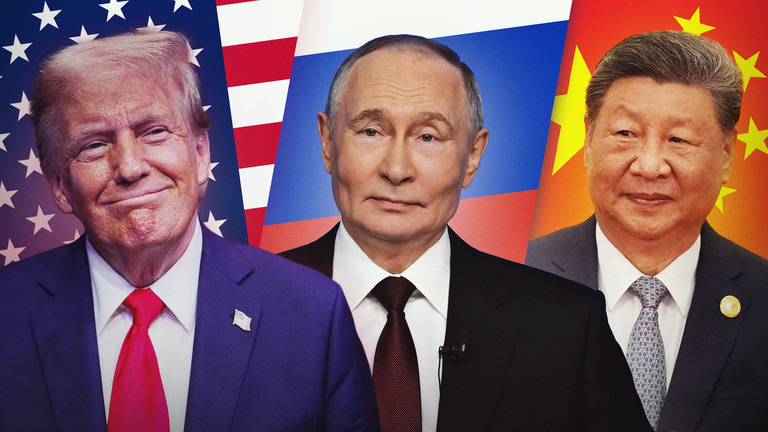
THERE WILL BE THREE CENTERS OF POWER IN THE NEW WORLD
African countries have undergone the most significant geopolitical recalibration over the past century
RT composite. © Getty Images/Jeff Bottari;Sefa Karacan;Suo Takekuma
By Adamu B. Garba II, Executive Chairman of IPI Group Limited, Nigerian 2019/2023 presidential aspirant
HomeAfrica
19 January 2026
Annotated by Abraham A. van Kempen
Analysts' predictions for two decades are now official policy: the American dominance after the Cold War, justified by liberal internationalism and universal values, has ended. The West’s claim that its foreign policy was driven by democracy and human rights is proven false when faced with clear national interests.
A Tripolar Order has replaced previous agreements, led by the US, China, and Russia, shaping 21st-century international relations.
For Africa, this marks the biggest geopolitical shift since 1884's Berlin Conference, when Western powers divided the continent in the Scramble for Africa. Now, the continent isn't open for European division but is managed by new, non-Western actors.
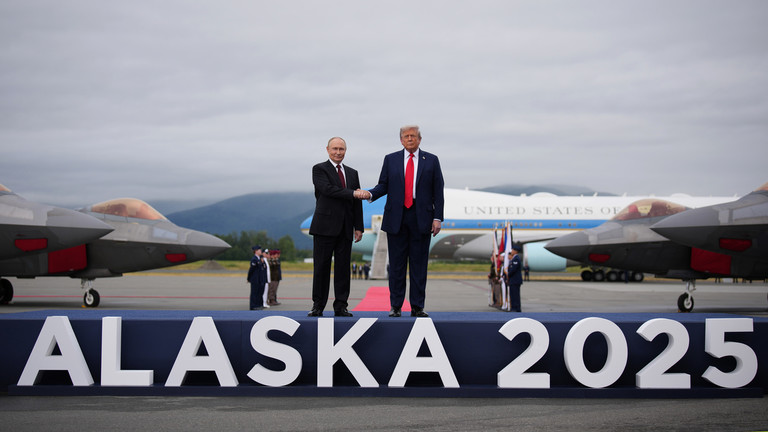
READ MORE: The Alaska summit resonates farther than you might think
The US in Africa: What’s different now?
Contrary to the myth of a globally engaged superpower, the United States has executed a deliberate retrenchment. Its latest National Security Strategy is a strategic contraction, focusing on consolidating the American hemisphere. This ‘Fortress America’ doctrine emphasizes economic and security integration from Canada to Chile, making the Western Hemisphere an impregnable influence zone. Secondary interests are for the Anglosphere – the UK, Canada, Australia, and New Zealand – aligned nations that serve as force multipliers.
Africa and Asia lack a clear engagement plan in the document. The U.S. has withdrawn from strategic competition in Africa, closing bases, ending military aid, and defunding democracy programs. It relies on outsourcing for critical resources like cobalt, lithium, and rare earths, essential for its digital and green economies. Instead of direct relations, the U.S. prefers large deals with China and Russia, viewing Africa mainly as a resource provider rather than a diplomatic partner.
The Eastern and Southern hegemon, master of the supply chain
China’s sphere, acknowledged in a tripartite understanding, is vast and economically coherent. It includes South Asia, East Asia, and Africa's mineral-rich regions: Central Africa (notably the DRC), East Africa (ports and belts), and Southern Africa. A confidential but binding US-China trade pact has formalized this.
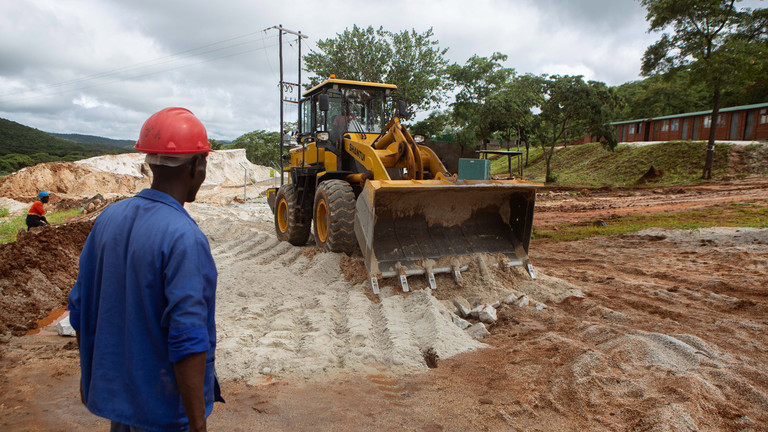
READ MORE: Africa has something China and the West need, but will it profit?
China, via state-owned enterprises and BRI infrastructure, ensures secure extraction and transit of critical minerals from Africa to global markets. In return, the US has agreed to transfer advanced technologies like Nvidia chips and has ceded strategic control of regional security and satellite dominance to Beijing. China now controls Africa's resource nodes and information domains, becoming the leading monopolist of the green and digital supply chain.
Russia: The Northern and Western European security guarantor
Russia’s sphere of influence, solidified by the upcoming ‘Putrump’ agreement (the strategic understanding between the Putin and Trump administrations regarding the Russia-Ukraine peace deal and Europe's future), centers on robust security measures and political backing. It extends from a Finlandized Europe across the Mediterranean to North Africa, West Africa, and important Central African countries.
The United States' decision to withdraw support for Ukraine was not an act of isolationism but a strategic move aimed at removing the last military obstacle to Russia’s efforts to pacify Europe. With Ukraine neutralized, European nations, devoid of credible autonomous defense capabilities, will progressively adapt to Moscow’s security and energy policies.
In Africa, Russia focuses on backing political stability and security, not on economic growth. Through initiatives like the Africa Corps, it helps maintain security during rebellions and unrest, emphasizing sovereignty and influence in the Sahel and coastal countries.
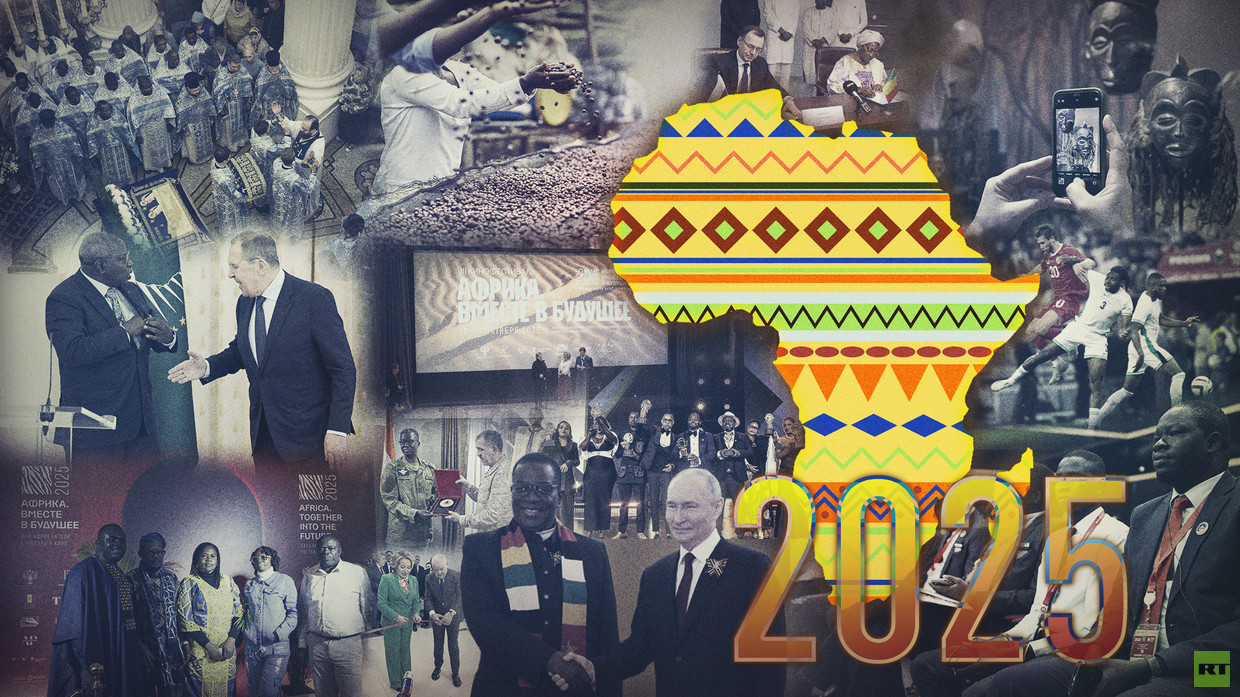
READ MORE: Africa’s bold choices: Examining the strength of Russia ties in 2025
Africa remapped: The collapse of Francafrique
Europe's colonial legacy is fading, signaling change. France, the UK, Belgium, Portugal, and Spain's influence—via the CFA franc, the military, and diplomacy—is declining and is expected to be gone by 2028. African leaders relying on Paris or London for security and trade risk their nations' future, risking marginalization and economic issues.
Africa functions within a duopoly: Russian security oversight and Chinese economic management, creating a synergistic partnership.
The Economic Community of West African States (ECOWAS), once seen mainly as a platform for Franco-Nigerian influence, is changing. Its core principle of collective security faces challenges from the Alliance of Sahel States (AES), including Mali, Burkina Faso, and Niger. The AES reflects Moscow’s growing military and political role in Africa, supported by security guarantees from Moscow. Its influence is expanding, and countries like Guinea-Bissau, Togo, Ghana, Senegal, and Mauritania might join by 2026, seeking stability outside Western support. Chad and the Central African Republic are also expected to shift from regional groups to this stronger alliance. Meanwhile, other parts of ECOWAS could become a smaller coalition of coastal nations—Nigeria, Ivory Coast, Sierra Leone, Liberia—that risk becoming symbolic with less strategic importance.
My homeland, Nigeria, uses an innovative management approach. Instead of falling apart, the country is governed through a system leveraging regional strengths. The Northwestern and Southwestern regions, facing security issues, get support from Russia. Meanwhile, the Central, Eastern, and Northeastern areas, rich in minerals and in need of infrastructure, collaborate with China’s economic programs. This isn’t a conspiracy but a pragmatic division among global players to maintain stability and the flow of resources without harmful competition.
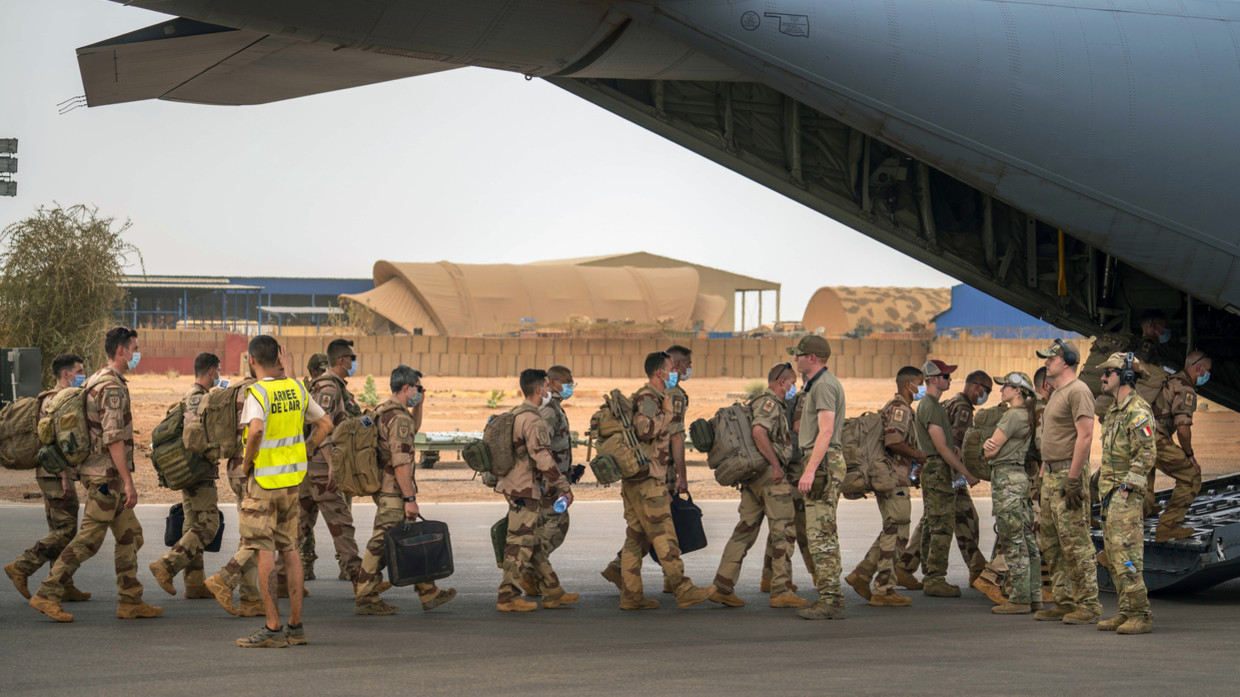
READ MORE: Adieu: Africa’s military breakup with France is official
What’s in it for Africa?
African elites must recognize key truths for future success. The old Westphalian idea of equal sovereignty is outdated. In the new Tripolar Order, sovereignty is complex. Nuclear states hold full sovereignty, while others have limited or delegated sovereignty, often restricted by their main superpower.
Institutions like the UN, WHO, and NATO are increasingly viewed as outdated remnants, potentially becoming tools for Tripolar dominance.
The era of aid and moralistic conditionalities has ended, replaced by transactional diplomacy focused on exchanging favors. China seeks resources and strategic partnerships; Russia values political loyalty and economic gains; the US aims for steady resource flow. African leaders can boost influence by developing negotiation skills and offering assets like minerals, ports, or votes in exchange for tangible rewards such as infrastructure, weapons, or stability. This fosters balanced, mutually beneficial international relations.
The idea of U.S. military intervention—supporting democracy, fighting terrorism, or stopping genocide—needs reevaluation. The U.S. has stopped deploying troops in Africa, with responsibility now falling to external actors. Russian security forces mostly lead peacekeeping and conflict efforts, with China also involved where interests are threatened.
In Africa, the debate has shifted from questioning “Who should we partner with?” to how to leverage our position. Success will depend on practical methods, effective transactional strategies, and peaceful alignment with key power structures.
RICHARD WOLFF: CHINA WON THE ECONOMIC WAR & THE WEST FRAGMENTS
Prof. Glenn Diesen discusses with Prof. Richard Wolff the changing global power landscape, emphasizing the decline of the West, China's ascent, and the evolving roles of the US, Europe, and Russia in a multipolar world. The conversation covers economic, political, and security issues these actors face and explores potential future trends in international relations and economic systems.
- China’s ascent is transforming the international landscape: Its swift economic expansion and pragmatic mixed economy undermine Western dominance, rendering traditional containment approaches less effective and encouraging a re-evaluation of global power dynamics.
- U.S. strategic limits and unilateralism: The United States encounters competition from China and other powers, which results in more unilateral moves and a transactional mindset toward allies, increasingly seeing Europe as a liability rather than a partner.
- Europe’s fragile situation and internal disagreements: The continent's political fragmentation, economic compromises with the U.S., and limited strategic vision diminish its global influence and hinder its capacity for independent or cohesive action.
- Russia’s geopolitical shift involved redirecting its focus from Europe to Eurasia following unsuccessful integration efforts. Currently, it is closely aligned with China’s Belt and Road Initiative, complicating Western strategies and alliances.
- Nationalism and Internal Challenges in the West: Persistent nationalism and internal divisions within the United States and Europe impede adaptation to emerging global realities, with oversimplified narratives concealing intricate geopolitical dynamics.
- Cautious stance on conflict: Although tensions remain, the nuclear age and lessons from history influence reluctance towards military intervention. Debates continue over the risks of going to war with Russia or China.
- Economic inequality fuels social unrest: The United States faces unprecedented inequality, sparking widespread anger and events like the AFL-CIO general strike, which reflect deep social and economic tensions.
- Military spending disparities: Europe’s planned military increases are modest compared to the U.S.’s significant budget growth, underscoring challenges in European defense capabilities and strategic autonomy.
- Reevaluating economic models: The West’s confidence in free markets faces a dead end, whereas China’s pragmatic mix of state and private enterprise presents a successful model that merits examination and potential adaptation.
- Potential for European realignment: Europe could gain by forming strategic partnerships and sharing technology with Russia and China, promoting unity and economic strength separate from U.S. dominance.

Watch the Video Here (56 minutes, 08 seconds)
Host Prof. Glenn Diesen
Substack.com
24 January 2026
The Future of the West: A Discussion with Professor Richard Wolff on Geopolitics and Economics
Welcome back. Today, we welcome Professor Richard Wolff to discuss the future of the West, NATO, Europe, and the current state of the global economy. While covering every detail in a short podcast might be challenging, we plan to explore these urgent issues as thoroughly as possible. Thank you for being with us.
Current Events in the West
The Western political sphere, once seen as a unified community, has historically relied on specific security and economic systems. After World War II, the U.S. provided favorable trade deals and security guarantees to Europe, leveraging its geopolitical power and rivalry with the Soviet Union. In the post-Cold War era, the U.S. sought to assert global dominance, with NATO's expansion playing a key role. Currently, the world appears to be shifting toward a more multipolar order, marked by major changes across the global landscape.
The United States is nearing its limits, facing fierce competition from China and other major powers, which calls for strategic reorganization. As a result, U.S. policies have become more unilateral, while Europe's role is increasingly viewed as a burden. The U.S. aims to maximize its influence by taking a transactional, extractive approach toward allies—an attitude that existed even before the Trump era. There is also surprise at how quickly Europe seems to be falling apart. Is this a common view, and what are the real developments in the West? Every week brings new, seemingly strange events.
Personal and Historical Perspective
Professor Wolff presents a perspective influenced by his American and European backgrounds. Based in New York City, he leverages a lifetime of experience studying and working in the U.S., alongside strong family and linguistic connections to Europe. His focus on history offers a framework for interpreting current events through the perspective of historical developments.
From this perspective, the key development isn't about a specific leader or the U.S. "going rogue." Instead, the most important change is China's rise. The West was caught off guard by China’s emergence as a global power, and attempts to contain or slow its growth have not succeeded. Over the last seventy-five years, the West has yet to develop an effective strategy to confront this challenge.
Shifts in Global Power
Following the conclusion of World War II, the United States ascended to the status of a predominant global power, owing to Japan's defeat and Europe's decline. The Cold War period, characterized by tensions with the Soviet Union, was a significant chapter in this narrative. Upon the dissolution of the Soviet Union in the late 20th century, the United States assumed a leading role during a unipolar phase. This period engendered a robust sense of manifest destiny and a desire for global leadership, driven by neoliberal globalization and the outsourcing of manufacturing, which collectively fostered a confident and ambitious outlook.
In the early 2000s, a new challenge arose: China, whose economy was expanding at a considerably faster pace than the United States’. Despite the United States' military presence and strategic alliances in Asia, China continues to make significant advancements, seemingly impervious to Western strategies.
The diminishing influence of the United States and Europe, coupled with China’s ascendancy and the expansion of BRICS, engenders a perception of crisis within the Western nations. These developments elicit a spectrum of reactions, spanning from apprehension and resentment to increasingly confrontational measures; however, the distinct differences between China and the former Soviet Union render such strategies largely ineffective. This prevailing climate of hysteria has precipitated unconventional political realignments in the United States, underscoring the tensions characterizing this epoch.
U.S. Relations with Europe and Other Allies
In the United States, partnerships with countries like Mexico and Canada are often viewed as practical agreements focused on short-term benefits and a willingness to use military force if needed. Similar patterns are seen in Western Europe. During the Cold War, the U.S. offered military protection against the Soviet threat; as this threat waned, attention turned toward securing economic commitments from European allies. Suggestions for Europe to obtain U.S. energy resources and make investments highlight Europe's growing dependence and susceptibility.
This dynamic is putting strain on Europe’s social welfare systems and political unity. The U.S. appears to prioritize short-term advantages over long-term stability, recognizing that time favors China. The strategy now involves extracting resources from the informal empire—Europe, Canada, Japan, and Mexico—as a last effort to counter China and the BRICS.
Europe’s Prospects and Internal Divisions
Questions remain about whether Europe’s ongoing instability could eventually lead to greater unity, allowing it to build a more independent and robust global economic stance. Greenland’s resource development initiatives underscore the strategic power plays at play, with the U.S. seeking to block Europe from gaining new advantages. What may seem like disrespectful actions toward Europe are often deliberate strategies to preserve U.S. influence amidst the shifting global landscape.
European leaders are criticized for lacking the political vision to explore alternatives to American leadership, resulting in concessions that weaken and divide the continent. The alliance with the U.S. is increasingly viewed as unstable, as European countries focus on self-preservation and overlook strategic opportunities. The European Union, comprising twenty-seven member states, is offering fewer economic benefits and has shifted its focus toward U.S. interests and more authoritarian policies.
It is quite evident that tensions are engendering division among European nations, and there exists understandable skepticism regarding the prospect of a unified Europe opposing the United States. Simultaneously, China's growing strength and Russia's evolving strategies add further complexity to the geopolitical landscape. Although Russia initially sought to collaborate closely with Europe, broken agreements and shifting alliances have redirected its focus toward Eurasia, aligning more closely with China’s Belt and Road Initiative and recent industrial endeavors.
Russia’s Role and Strategic Shifts
The United States and Europe view Russia differently. Europe sees counterbalancing Russia as essential, while the U.S. considers Russia less threatening and doubts the benefit of strengthening ties with China. This difference is seen as a strategic error that overlooks the wider consequences of China’s growing power.
Russia’s historical trajectory—from emphasizing Europe during Peter the Great’s era, through the communist revolution, to a shift toward Asia—reflects phases of transformation similar to those seen in other regions. Conversely, Europe and the West have not experienced such fundamental changes, frequently depending on nationalism to move away from feudal structures and develop modern nations.
Nationalism and Internal Challenges
The ongoing persistence of nationalism in Europe and the United States impedes adaptation to emerging realities. In the United States, internal divisions and a limited global outlook hinder effective participation in international affairs. Oversimplified narratives propagated by media, politicians, and scholars distort the complexities of the current circumstances and hinder substantive progress.
At the same time, Russia and China acknowledge their advantage of having time on their side. Their leaders watch the developing situation calmly, carefully noting the West’s occasionally counterproductive actions without rushing to act. This patient and intentional strategy, along with some missteps by the US and European countries, is gradually shifting the global power balance.
Security, Conflict, and the Future of War
Major changes in global power dynamics usually occur after significant wars, as countries are hesitant to lose influence. The risk of confrontation with Russia or China is seen as particularly dangerous, especially with nuclear threats in play. Today’s discussions show a mix of showmanship and genuine concern, with disagreements over whether military action is urgent or appropriate. The experiences from Vietnam, Afghanistan, Iraq, and Ukraine demonstrate that military intervention has its limits, even against weaker opponents.
Economic Inequality and Social Tensions
The U.S. is experiencing unprecedented economic inequality, with the top 10% consuming over half of all goods. This gap fuels widespread anger and unrest, including actions like the AFL-CIO-organized general strike in Minneapolis—the first since the Great Depression. Economic frustrations, opposition to policies and political leaders, and increasing social divisions highlight the seriousness of today’s situation.
Military Spending and Europe’s Position
European efforts to boost military spending are insignificant compared to the U.S. commitments. The U.S. plans to increase its military budget by $600 billion within a single year—a feat Europe cannot replicate. These facts highlight the difficulties Europe encounters in establishing a strong military or strategic presence against the United States.
Rethinking Economic Models
Following two world wars, the West seemed to recognize the risks of unregulated capitalism, resulting in greater intervention and regulation. Yet, the collapse of the Soviet Union ushered in an era of liberal economic policies and increased confidence in free markets. This strategy now faces an impasse, prompting calls to reevaluate the dominant economic ideology.
The Chinese Model and Lessons for the West
China’s economic achievement stems from a pragmatic strategy that combines state involvement with private enterprise. The Chinese focus on practical questions about the ideal roles of the government and the private sector, leading to a hybrid economic model. This approach is motivated by outcome-oriented reasoning rather than ideological commitments, setting it apart from the rigid systems preferred by Russia and the West.
More and more people in the United States are curious about what makes Chinese companies successful in areas like electric vehicles, solar energy, artificial intelligence, and semiconductors. Instead of getting caught up in debates about whether public or private companies are better, many find it more helpful to focus on the results they achieve. A common concern is that the private sector often prefers to limit government interference, a familiar issue in capitalist societies with universal voting rights.
Political Change and the Possibility of Realignment
Recent developments, such as the general strike in Minneapolis, indicate growing recognition of the need for systemic reform. Even populist leaders have not succeeded in implementing essential reforms; instead, they have resorted to theatrical displays. It is anticipated that public pressure in both Europe and America will catalyze changes akin to those observed in Russia and China.
Europe is urged to reevaluate its current course, possibly by forming alliances with Russia and China or developing new modes of unity and economic strategies. For example, encouraging Chinese investment via joint ventures and technology transfers could boost prosperity and lay the groundwork for unity. This strategy might also promote more peaceful relations with Russia and establish a more balanced relationship with the United States.
Concluding Thoughts
Europe remains a prosperous market with considerable potential. By challenging existing practices and forming strategic alliances, it can achieve its goals more efficiently. Nevertheless, current political leaders seem unlikely to promote such change, indicating a need for political renewal. Future success depends on moving past old ideologies and divisions, collaborating with new partners, and balancing international relations.
As global dynamics evolve, the need for adaptability and openness to new approaches becomes increasingly vital. European policymakers and business leaders should remain alert to emerging opportunities and make decisions that prioritize long-term interests over short-term political advantages. This ongoing change offers Europe a rare opportunity to reshape its position on the global stage, aligning its economic and diplomatic strategies with the realities of the 21st century.
This transitional period underscores the importance of robust education and research programs to drive innovation across industries. By investing in human talent and encouraging international collaboration, Europe can enhance its competitive advantage and build resilience against future challenges. Ultimately, embracing adaptability, strategic partnership, and learning from diverse approaches will enable Europe to effectively navigate an increasingly complex global landscape.
Thank you for joining us in this in-depth exploration of the evolving geopolitical and economic landscape.
BUILDING THE BRIDGE! | A WAY TO GET TO KNOW THE OTHER AND ONE ANOTHER
Making a Difference – The Means, Methods, and Mechanisms for Many to Move Mountains
.jpg)
Photo Credit: Abraham A. van Kempen, our home away from home on the Dead Sea
By Abraham A. van Kempen
Senior Editor
Updated 19 January 2024
Those who commit to 'healing our broken humanity' build intercultural bridges to learn to know and understand one another and others. Readers who thumb through the Building the Bridge (BTB) pages are not mindless sheep following other mindless sheep. They THINK. They want to be at the forefront of making a difference. They're seeking the bigger picture to expand their horizons. They don't need BTB or anyone else to confirm their biases.
Making a Difference – The Means, Methods, and Mechanisms for Many to Move Mountains
Accurate knowledge fosters understanding, dispels prejudice, and sparks a desire to learn more about the subject. Words have an extraordinary power to bring people together, divide them, forge bonds of friendship, or provoke hostility. Modern technology offers unprecedented possibilities for good, fostering harmony and reconciliation. Yet, its misuse can cause untold harm, leading to misunderstandings, prejudices, and conflicts.
A Free Trial for Life – SUBSCRIBE NOW!

• It's quick and straightforward.
• We won’t ask for your credit card number.
• Just enter your e-mail address to receive your complimentary free-for-life subscription to our newsletter.
• Please include your First and Last Name.
• We won’t share or sell your e-mail address.
_________________________
Related Articles Recently Posted on www.buildingthebridgefoundation.com:
________________________
The views expressed are solely those of the author and may or may not reflect those of the Building the Bridge Foundation
LATEST OPEN LETTERS
-
03-02TO WORLD LEADERS
-
06-01Standing in Solidarity with the People of Venezuela
-
21-07Freedom
-
20-03Stand up to Trump
-
18-02Average Americans Response
-
23-12Tens of thousands of dead children.......this must stop
-
05-06A Call to Action: Uniting for a Lasting Peace in the Holy Land
-
28-05Concerned world citizen
-
13-02World Peace
-
05-12My scream to the world
VIRTUAL POST OFFICE
PETITIONS
LINKS
DONATION
Latest Blog Articles
-
01-10Our Friday News Analysis | What the World THINKS Now!
-
30-09Our Wednesday News Analysis | Macklemore and the US Cultural Revolution for Palestine
-
29-09Macklemore and the US Cultural Revolution for Palestine
-
29-09‘Moral Cowards’: Netanyahu Rages as Delegates Abandon His UN Speech
-
29-09Netanyahu and Eisenkot Want You to Forget the War
-
28-09Our Monday News Analysis | What the World THINKS Now!
-
24-09Our Friday News Analysis | What the World THINKS Now!
-
23-09Our Wednesday News Analysis | Is Europe finally getting tough on Israel?
-
22-09Is Europe finally getting tough on Israel?
-
22-09This Yom Kippur, the Whole World Must Apologize to Israel
-
22-09Israel is killing the people who could end its wars
Latest Comments
 One of the most important and illuminating articles that I …
Comment by Benjamin Inbaraj-
And what's wrong here?
After all, there is the homeland …
Comment by Isac Boian -
Does this reinforce or deny my argument that Israel is …
Comment by Edward Campbell -
Many 'say' they support the Palestinian cause but do little …
Comment by Philip McFedries -
The UN is strangled by the "war for profit" cabal …
Comment by Philip McFedries -
I can't read the printing on the map.
Comment by Philip McFedries -
Good news!
Comment by Philip McFedries
COMMENTS
This article has 0 comments at this time. We invoke you to participate the discussion and leave your comment below. Share your opinion and let the world know.