 NEWSLETTER
The Friday Edition
Our Friday News Analysis | What the World Reads Now!
Helping to Heal a Broken Humanity (Part 63)
The Hague, 5 December 2025 | If you know of a decisive story, tell the world! We're still searching.

EDITORIAL | “The Best Way to Predict the Future is to Create It" (Part 27)
Click here for Part 1
Click here for Part 2
Click here for Part 3
Click here for Part 4
Click here for Part 5
Click here for Part 6
Click here for Part 7
Click here for Part 8
Click here for Part 9
Click here for Part 10
Click here for Part 11
Click here for Part 12
Click here for Part 13
Click here for Part 14
Click here for Part 15
Click here for Part 16
Click here for Part 17
Click here for Part 18
Click here for Part 19
Click here for Part 20
Click here for Part 21
Click here for Part 22
Click here for Part 23
Click here for Part 24
Click here for Part 25
Click here for Part 26
EDITORIAL | Dressing Up for Peace
By Abraham A. van Kempen
5 December 2025
Will Sunshine Break Through the Clouds? Let’s dress up for peace.

If I talk to my Russian friends about what it would take to see sunshine breaking through the clouds, each one of them would say from their hearts: “No more wars, NEVER AGAIN.”
They’d inevitably add, “We’re not at war with Ukraine. We’re fighting against the Collective West – the EU-US/NATO Axis – to keep our own turf and to preserve Mother Russia, our culture and heritage.” The Russian people are dedicated to defending their country and will fight to the death to stop the Collective West from altering their way of life.
Russia’s official statements focus on five key requirements to keep the EU-US/NATO Axis away from Russia’s backyard for generations to come.
- Mutual Pan-European Security Measures
- Mutual Demilitarization
- Mutual Neutrality
- Mutual Denazification
- Free Elections
These demands are presented as necessary measures to address what Russia describes as oppression and corruption in Ukraine and in the European Union to enable the emergence of a "genuine democracy."
Of the 8 billion inhabitants on earth, more than 7 billion understand precisely what Russia means by the above terms. Most people in Western Europe and North America are clueless. I’ve discussed the Russian Peace Proposal with many around the world who intuitively grasp its depth. The majority support the Russian Federation.
If you still believe that Russia is the aggressor, it’s time you spent some time asking why just about everyone, except for the few in Western Europe and North America, believes otherwise.

Russia will fight with all its might to stop the EU-US/NATO Collective West from tearing apart its territorial integrity, like the former Yugoslavia's division into six separate countries.
Russia demands the removal of Ukraine’s military strength, citing threats to regional stability and ethnic Russians, especially after increased Western support. Their demands include seizing advanced weapons, stopping NATO and Western military aid, and reorganizing Ukraine’s defense.
Russia claims demilitarization aims to prevent conflicts and promote peace. 'Denazification' refers to efforts to remove what Russian authorities see as ultranationalist and neo-Nazi influences in Ukraine. Russia’s framing suggests denazification involves removing extremists, reforming education and culture, and possibly prosecuting hate crime suspects. The goal is to protect minority rights and reduce oppression.
Neutrality means Ukraine staying militarily non-aligned, especially with NATO. Russia sees Ukraine’s efforts to join Western alliances as a further escalation of tensions and conflicts. Thus, advocating for neutrality aims to reduce security concerns and avoid future conflicts.
Russia claims free elections will replace the illegitimate Ukrainian government with one reflecting the "true will" of the people. It argues that the current leadership lacks democracy and is controlled by foreign powers. Elections are viewed as a means to restore sovereignty and represent all Ukrainians.
Russia claims its settlement demands respond to Ukraine's systemic oppression and corruption. It argues that demilitarization and denazification would end violence against minorities and political opponents, and neutrality and elections could reset the political system, leading to a more inclusive, transparent, and accountable government.
Russia’s demands for settlement—like mutual Pan-European security, demilitarization, denazification, neutrality, and free elections—are framed as solutions to address oppression, corruption, and democratic issues within the EU and Ukraine.
Have you noticed? The EU and Ukraine haven't been invited to tea yet. Meanwhile, the Russians and Americans are hammering out a peace initiative to be rubber-stamped by the EU and Ukraine. The Russians are in the driver’s seat. They will shape a peace with the prime directive to last many lifetimes. I’m not holding my breath. Anything could happen. The devil is in the details. Russia has all the time in the world to meet its goals, though it’s best to do so sooner rather than later.
In the meantime, the peacekeepers are dressed for the occasion.
Enjoy your weekend.
Abraham A. van Kempen
Senior Editor
Building – not burning – the Bridge Foundation, The Hague
A Way to Get to Know Each Other and the Other
Remember! Diplomacy is catalytic—transformative —while military action is cataclysmic—destructive and catastrophic.
When faced with the options to be good, bad, or ugly, let’s build bridges, not burn them. After all, mutual deterrence reigns.
JEFFREY SACHS: EUROPE ONLY ACCEPTS HEGEMONY & BLOC POLITICS
Prof. Glenn Diesen’s talk with Prof. Jeffrey Sachs highlights challenges in European diplomacy, especially around NATO expansion and Russia relations. They note the risk of provoking conflict but criticize European leaders for limited dialogue with Russia and for failing to pursue diplomatic efforts, such as neutrality zones or security guarantees. The speaker calls for more practical engagement and expresses disappointment in how European interests are represented internationally.

Watch the Video Here (29 minutes, 22 seconds)
Host Prof. Glenn Diesen
Substack.com
3 December 2025
European Diplomacy, NATO Expansion, and the Path to Peace: Insights from Jeffrey Sachs
Prof. Jeffrey Sachs highlights Europe’s hesitation to confront the root causes of the Ukraine War, which stem from a fragile European security system rooted in hegemony and bloc alliances.
This section examines Jeffrey Sachs's views on negotiations to end the Ukraine war, the broader European security context, and diplomatic challenges between Europe and Russia. It discusses the conflict's historical roots, current dynamics, and stakeholders.
Background: The Ukraine War and Western Policy
The Ukraine conflict is more discussed as Witkoff and Kushner meet Putin in Moscow. Europe's main concern is securing guarantees for Ukraine, believing NATO deterrence is key. Many see Ukraine’s neutrality as a surrender that hinders peace talks.
Historical Divisions and Western Strategy
The future of Ukraine has sparked debates worldwide. Western nations, especially the US and Europe, have strongly supported Ukraine's integration into NATO and the EU, linking these alliances over the past 30 years. Zbigniew Brzezinski believed Russia would accept Western expansion, but Russia has opposed NATO’s growth from the start, viewing it as a key security concern.
Ukraine has long been split between Western-oriented nationalists and Russian-speaking South and East communities. These divisions have caused political tensions and influenced views on Western integration since independence. Consequently, debates over Ukraine’s future are both domestic and international, dating back to the end of the Cold War.
Shifts in U.S. and European Approaches
Recently, U.S. policy has shifted. Many believed Russia would collapse under Western pressure, but that hasn't happened. U.S. policymakers now consider ending the conflict and focusing on other priorities, recognizing that escalation isn't sustainable and supplies are low after years of fighting. This contrasts with European and Ukrainian leaders, who still support the effort despite some public opposition.
The conflict is ongoing, with Ukraine relying on fighting. Leaders like Mertz, Starmer, and Macron seem out of touch, as most oppose more militarization. A small group appears to be driving the war, not broad public support.
The Broader Security Context and Europe’s Dilemma
The Ukraine conflict reveals broader concerns about Europe's security amid shifting global power. As the US shifts focus and seems less committed to Europe's dominance, European leaders are uncertain about the future. This uncertainty prompts some countries to adopt aggressive rhetoric and leaves many without a clear plan for Europe’s role in a multipolar world.
The post-Cold War vision aimed for shared European security and unity, exemplified by the Charter of Paris. However, NATO expansion created divisions and mistrust. Limited diplomacy with Russia and rising Russophobia, especially in Baltic states, hindered peace efforts.
Diplomacy, Missed Opportunities, and the Path Forward
European diplomacy often faces criticism for hesitance and lack of proactive engagement with Russia. The speaker suggests that recognizing Russia's threat could lead to more open diplomacy—like opening channels, seeking security guarantees, or exploring neutrality or buffer zones. Currently, the approach risks prolonging conflict by emphasizing posturing over dialogue.
Drawing on history, the discussion shows that European diplomacy often repeats mistakes, such as ignoring shared security opportunities. The speaker urges pragmatic solutions, calling on European leaders to engage openly with Russia and to prioritize facts over prejudice or politics.
Conclusion
The discussion notes that European interests often receive insufficient attention in international organizations and that leaders can become disconnected from public opinion. Prof. Sachs is optimistic about improved diplomacy and peace efforts, warning that ongoing militarization and the neglect of dialogue harm Europe and Ukraine.
FYODOR LUKYANOV | WASHINGTON AND MOSCOW ARE EDGING TOWARD A DEAL
The next phase of the Ukraine conflict may be the last before a settlement.
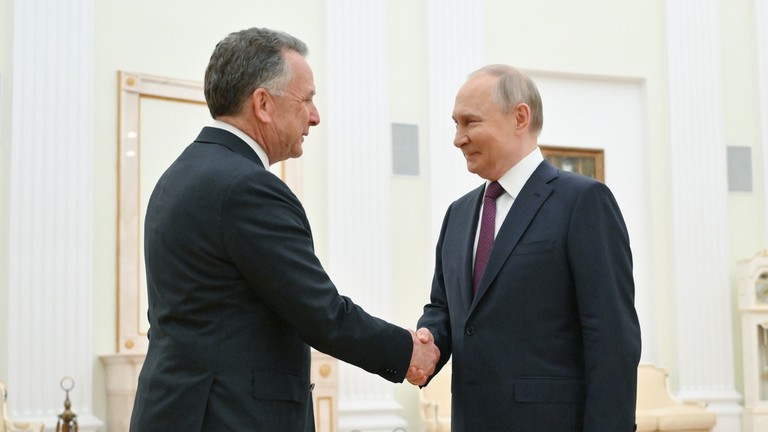
Russian President Vladimir Putin shakes hands with US President's Special Envoy for the Middle East, Steve Witkoff, before a meeting at the Kremlin in Moscow, Russia. © Sputnik / Kristina Kormilitsyna
By Fyodor Lukyanov, the editor-in-chief of Russia in Global Affairs, chairman of the Presidium of the Council on Foreign and Defense Policy, and research director of the Valdai International Discussion Club.
Russia in Global Affairs (RGA) on Telegram
HomeRussia & FSU
3 December 2025
As expected, Tuesday’s five-hour Kremlin meeting didn’t yield breakthroughs. Moscow maintained its stance that Ukrainian forces must withdraw from Donbass. Kiev thinks a voluntary withdrawal isn’t feasible, and the US likely can't force Ukraine now or later. Moscow taking the territory by force remains a real option.
US President Donald Trump has quietly suggested he won't set strict deadlines or promise specific results, possibly giving Moscow more time to limit Kiev’s options, both physical and political. This skepticism might be justified.
Once news spread that envoys were heading to Moscow, it became clear that another round of talks was necessary before any solid agreement could be made. This upcoming meeting will be the fifth. Diplomacy and military activities will go on side by side, just as we expected. Moscow won't accept a ceasefire until the final settlement details are agreed upon, while Washington is still committed to reaching that agreement for now.
The American delegation is heading home directly, suggesting no new updates and indicating that Moscow and Washington prefer direct negotiations over intermediaries.
Since February, the Trump administration has served as the primary mediator, engaging directly with both sides. Western Europe has been largely absent, relying on Kiev to involve it. For the EU, which prioritizes Ukraine in its foreign policy, this feels strange: it has become more of a tool than an active participant.
Nevertheless, one hopeful sign is that the upcoming military-political shift might be the final step before the war concludes.
‘TRUMP WANTS TO RE-ESTABLISH ECONOMIC TIES WITH MOSCOW. PERIOD. SO NO DISSONANCE IN THESE TALKS’ – LAWRENCE WILKERSON
Witkoff is in Moscow, leaving Europe in disbelief as it finds itself sidelined from a historic thaw between Washington and Moscow.
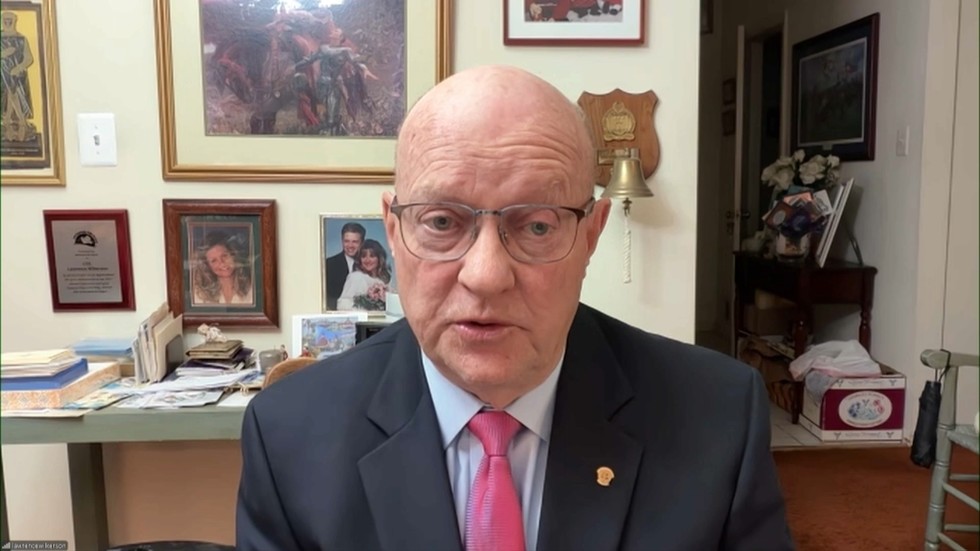
Watch the Video Here (33 minutes, 11 seconds
Host: Rick Sanchez
HomeShowsSanchez Effect
2 December 2025
In our latest episode, we explore the significant changes happening behind the Kremlin walls and ask whether peace might be possible. Rick and Lawrence Wilkerson, a former chief of staff to US Secretary of State Colin Powell, analyze why European leaders continue to pursue war: their main motivation, according to them, is greed. Wilkerson emphasizes that EU politicians are running out of time if they don’t start acting in accordance with the people's wishes.
Wilkerson also emphasizes Trump’s unpredictability, which is unsettling for European leaders as they see US influence diminish, pulling Brussels down with it.
RUSSIA WILL LIBERATE ALL OF DONBASS – PUTIN
Ukrainian forces will be pushed entirely out of the two new Russian regions, either through military action or through talks, the president has said.
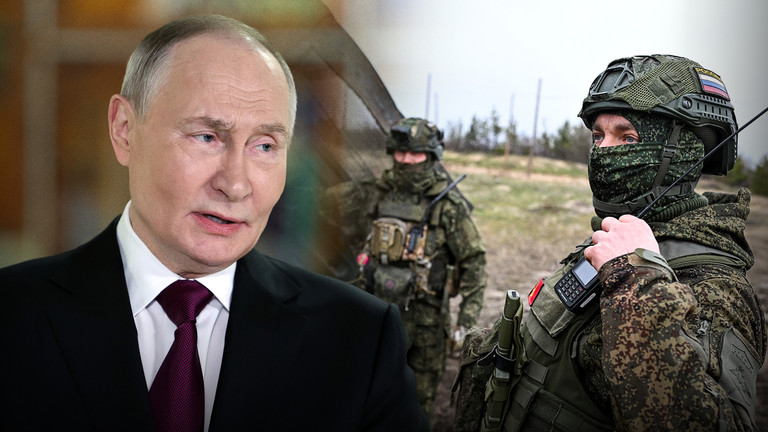
RT composite. © Sputnik / Sergey Bobylev; Alexander Kazakov
HomeRussia & FSU
4 December 2025
President Vladimir Putin stated that Russia will push Ukrainian forces out of Donbass and entirely free the region, whether by military means or diplomatic negotiations.
Putin made these remarks during an interview with India Today on Thursday, shortly before his upcoming state visit to India. This followed two days of discussions at the Kremlin with US presidential envoy Steve Witkoff, which centered on a US-drafted peace plan for Ukraine.
The leaked 28-point roadmap asked Kiev to give up territory in Donetsk and Lugansk, drop NATO ambitions, and limit its military, but Kiev rejected these conditions.
Read more
Five Ukrainian brigades encircled in Donbass town – Bild
Putin indicated the Ukrainian Army will soon lose parts of Donbass it still controls. "It all comes down to this: either we will free those areas through military force, or Ukrainian forces will retreat and cease fighting there," he stated.
He also argued that the intense conflict in the region was entirely preventable. “We informed Ukraine from the beginning: ‘The people do not want to remain with you; they participated in referendums in 2022 and voted for independence. Withdraw your troops, and there will be no conflict.’ But they opted to fight,” Putin stated, noting that Kiev’s error is now clear.
Russian forces have advanced against Ukrainian troops in Donbass and other regions for months. Moscow claims Kiev struggles to replace manpower losses despite strict mobilization.
On Monday, Russia announced it had captured Krasnoarmeysk (Pokrovsk) in Donetsk, trapping a large Ukrainian force. Last week, Putin said Moscow’s troops breached Ukrainian defenses in northern Zaporozhye and were outflanking Kiev’s positions to the south.
GUEST EDITORIAL | THE EU’S TOP DIPLOMAT CASUALLY REWRITES WWII HISTORY ON HER WAY TO WWIII
Kaja Kallas’ striking ignorance – or willful revisionism – is precisely why no one is taking the EU bloc seriously anymore.
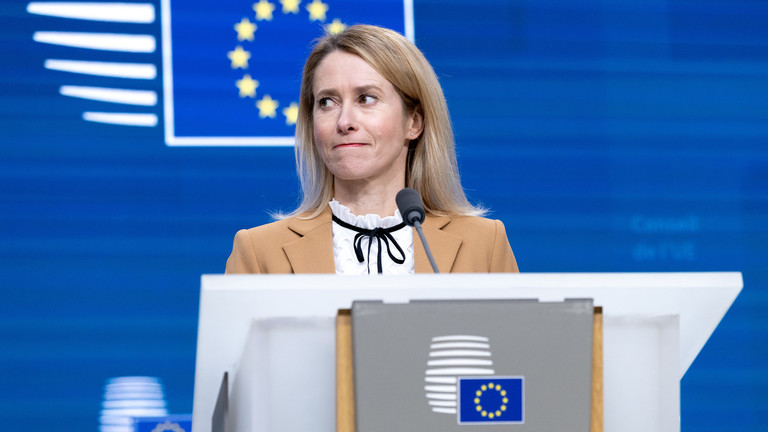
Kaja Kallas, High Representative for Foreign Affairs and Security Policy and Vice-President of the European Commission. © Omar Havana/Getty Images
By Tarik Cyril Amar, a historian from Germany working at Koç University, Istanbul, on Russia, Ukraine, and Eastern Europe, the history of World War II, the cultural Cold War, and the politics of memory
@tarikcyrilamartarikcyrilamar.substack.comtarikcyrilamar.com
HomeWorld News
1 December 2025
Oops! Kaja Kallas, often seen as the EU's de facto foreign minister and known for her seemingly careless approach, has struck again, showing such a fundamental misunderstanding that you need to look twice to believe it. Yet, as usual with her, it's accurate. This time, she stated that Russia hasn't been attacked by anyone in a hundred years.
The Nazi generals behind Operation Barbarossa, the 1941 invasion that caused 27 million Soviet deaths, are likely turning in their graves. Driven by prejudice and ideology, they underestimated Russian resilience (sounds familiar?) and suffered a disastrous defeat. Imagine losing their 3-million-man, 150-division operation in Orwellian fashion.
What about other Europeans who joined the Nazis, early or later? This includes Romanians, Finns, Italians, Spaniards, Croatians, Belgians, French, Norwegians, Slovaks, Bulgarians, Hungarians, and especially Estonians from the Baltics.
Let's also keep the Japanese in mind! In 1939. The Russians defeated the Japanese at Nomonhan/Khalkhin Gol, near Mongolia, a Soviet satellite state. However, there's often an effort to overlook or downplay their role.
It's disheartening to see such a lack of historical awareness. While geometry has given Annalena "360 degrees" Baerbock lasting recognition, Kallas appears most uninformed about history.
This situation raises worries, especially given the 20th-century wars started by Europeans that caused over 81 million deaths. With a potential third war using devastating weapons like nuclear or cyber arms, the impact could be worse. Still, there's hope it could be our last war, allowing survivors to rebuild and heal.
Read more
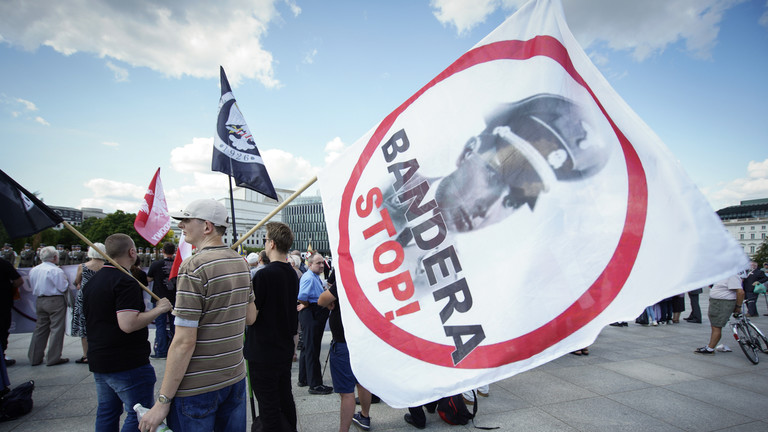
Polish MPs reject push to outlaw glorification of Ukrainian Nazi collaborators.
The Ukraine war, a Western-backed conflict involving Russia and the shift to a multipolar world, has been challenging. Ukraine has been misled, betrayed, and exhausted; the risk of escalation into World War III was real. This danger lessened during the second Trump administration, but the war won't be truly resolved until it ends.
The NATO-EU Europeans continue to sustain the ongoing conflict by supplying increasing weapons, seeking illicit methods to seize frozen Russian assets, and burdening taxpayers. They also push for more Ukrainians to be sent into the deadly fighting and encourage the Zelensky regime to persist despite widespread corruption being revealed.
The Atlanticists, or European 'elites,' follow an irrational path, disregarding reason in their sanctions policy and showing flawed ethics in their continued support of Israel’s Gaza crisis.
While signs of their irrationality exist, their pursuit of World War III reveals a fundamental misunderstanding of the lessons of World War II. The war ended with the U.S. intentionally bombing Hiroshima and Nagasaki, which was tragic, controversial, and a shameful, unacknowledged crime. These actions, though ending the war, set a dangerous precedent—one society hopes will never happen again.
EU de facto foreign minister Kallas highlights NATO-EU shared views on World War II more clearly than most, revealing what less frank actors try to hide.
She is actively working against peace right now. While many NATO-EU European leaders seem to worry about peace, Kallas appears to deny reality, focusing more on her fears of Russia and overestimating both the EU’s and her own influence. By insisting on a seat at the negotiation table, deliberately delaying talks, and calling for concessions from Russia as if the West and Ukraine are winning, Kallas has been largely ignored by the US.
Tarik Cyril Amar, PhD, is a distinguished historian and expert in international politics. He holds a BA in Modern History from Oxford, an MSc in International History from the London School of Economics (LSE), and a PhD from Princeton.
His scholarships include the Holocaust Memorial Museum and Harvard Ukrainian Research Institute. He was also director of the Center for Urban History in Lviv, Ukraine. Originally German, he has lived in the UK, Ukraine, Poland, the US, and Turkey.
Dr. Amar’s book, 'The Paradox of Ukrainian Lviv,' was published by Cornell in 2015. He's working on a study about Cold War TV spy stories and a new volume on Ukraine's international response. He has shared insights in interviews, including on Rania Khalek Dispatches and Breakthrough News.
What is the Side of the Story that is Not Yet Decisive? Edited and annotated by Abraham A. van Kempen
ALEX KRAINER: NEW WORLD ORDER - "CHANGES NOT SEEN IN 100 YEARS"
Analysis of the 2013 EU Accession Agreement with Ukraine and Democratic Narratives in Europe
The discussion criticizes the 2013 EU accession agreement proposed to Ukraine, claiming it would have significantly curtailed Ukraine's sovereignty by mandating the adoption of numerous EU directives without Ukrainian input, effectively making Ukraine subordinate to Brussels. Alex Krainer argues that public narratives emphasizing democracy and human rights are used to conceal the EU’s fundamental goal of expanding its influence. Citing examples from different European countries, the text highlights perceived flaws in democratic processes, implying that similar motives drive Western engagement in Ukraine.

Watch the Video Here (48 minutes, 47 seconds)
Host Prof. Glenn Diesen
Substack.com
29 November 2025
Reassessment of the 2013 EU Accession Agreement with Ukraine
The 2013 EU accession agreement with Ukraine was examined to see its impact on Ukrainian sovereignty. Many viewed it as a simple trade deal with benefits like student exchanges, but it involved many commitments. Ukraine had to adopt numerous EU directives, with limited input, giving Brussels significant influence and making Ukraine feel like a junior partner in a broader European community.
Public Narratives and Underlying Motives
The conversation on the EU’s role with Ukraine often emphasizes democracy, human rights, and independence. However, Alex Krainer suggests that these themes may disguise an aim to expand EU influence. While framing the agreement as supporting democratic values gained public backing, it might actually aim to limit Ukraine's independence.
Parallels in European Democratic Practice
The critique examines practices across different European countries, highlighting gaps between democratic principles and actual political conduct. It provides examples of governments staying in office despite losing elections and of tools like lawfare and delaying cabinet appointments that weaken voters' will. These cases show that claims about democracy and human rights are often used to legitimize actions driven by a desire for greater control and power, both within the EU and in its interactions with Ukraine.
Conclusion
In summary, the analysis highlights that the 2013 EU accession agreement had a significant impact on Ukrainian sovereignty. It suggests that claims about democracy and human rights often hide deeper geopolitical interests. Drawing on examples from across Europe, it encourages us to maintain a cautious view of Western motives in Ukraine.
This viewpoint encourages deeper consideration of the complexities behind international agreements and the stories used to justify them. It prompts questions about whose interests are truly prioritized and whether these agreements truly advance the values they profess to support. By critically analyzing both the substance and the setting of these treaties, a more detailed understanding of European integration and external influence develops.
Moreover, the analysis highlights the need to examine the power balance in these agreements. Although they are usually seen as partnerships, unequal negotiating power can leave one side, such as Ukraine, having to follow external standards without an equal say in decision-making. This situation impacts domestic policy and can also influence the overall path of national growth.
ANALYSIS | THE MAN WHO RAN UKRAINE IS GONE – AND ZELENSKY MAY BE NEXT
Why Andrey Yermak’s fall is not yet a final verdict on the Ukrainian leader
© Dasha Zaitseva / Gazeta.Ru
By Vitaly Ryumshin
Journalist and Political Analyst
HomeRussia & FSU
3 December 2025
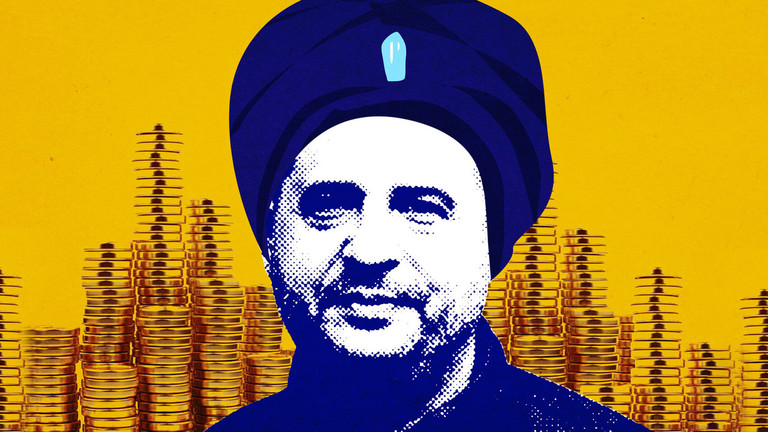
The longstanding corruption scandal in Ukrainian politics has reached a pivotal moment. Under mounting pressure from both domestic and international communities, Vladimir Zelensky has decided to remove Andrey Yermak from his position as chief of staff. Yermak, a close confidant and considered the second-most-influential figure in Ukraine, was often seen as a key behind-the-scenes power player. For years, he and businessman Timur Mindich were believed to have a significant role in controlling a broad corruption network within the energy and defense sectors, known by the nicknames ‘Ali Baba’ and ‘Alla Borisovna.”
Yermak’s removal is of great importance. After February 2022, if something significant occurred in Ukraine, he was often involved. As Zelensky’s principal political strategist, he established a power hierarchy that marginalized the Verkhovna Rada speaker and centralized authority within the presidential office. Yermak appointed loyalists across government ministries, security agencies, and regional administrations; organized campaigns against opponents; interfered with local self-governance; and quietly purged figures seen as threats, from mayors to the former armed forces chief, Valery Zaluzhny.
In other words, Yermak diligently worked to centralize all major processes in Ukraine under his and his boss's control. He nearly succeeded. If the so-called “Zermak” tandem had succeeded in their summer offensive against the anti-corruption agencies NABU and SAP, Zelensky could have become more autocratic. However, the former comedian hesitated at the critical moment, a pause that ultimately determined his friend’s downfall.
The consequences for Zelensky are severe.
Read more
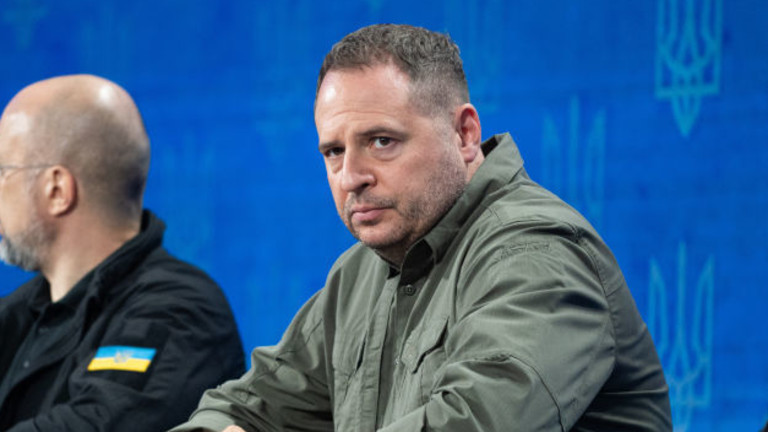
Zelensky’s right-hand man is gone, offering hope for peace.
First, he has lost control of the power vertical that Yermak spent years building. It was Yermak, not Zelensky, who coordinated the government, security bloc, and intelligence agencies through a network of loyalists. With Yermak gone, there is no clear successor capable of maintaining that level of influence. The machinery might continue functioning temporarily, but the key operator is missing.
Secondly, Zelensky’s influence inside his own circle has significantly weakened. The rapid decision to abandon Yermak after just a brief investigation of his apartment has caused shock among the elite. If Zelensky can discard his closest ally so easily, what message does that send to others? Ukrainian media are already noting that members of the leader’s team are looking for “new patrons.” Loyalty in Kiev has consistently been transactional, but it now appears openly fragile.
This weakening inevitably impacts negotiations with Washington, where Yermak was a key figure. Some analysts believe his departure might soften Ukraine’s approach, as his successor, NSDC head Rustem Umerov, is considered more adaptable. However, this misunderstanding overlooks the actual dynamic. Ukraine’s firm stance on peace negotiations has consistently been Zelensky’s position. Yermak expressed it. Any future replacement will convey the same message.
The sole factor that could shift Kiev’s negotiating stance is not a change in personnel but an escalating political crisis that is already underway.
STEVEN JERMY | RUSSIA'S WAR OBJECTIVES & EUROPE'S DOWNFALL
Prof. Glenn Diesen and Commodore Steve Jermy discuss Europe's evolving role in a shifting world. They emphasize the need for open, independent strategic conversations, not just emotional stories. Jermy shares insights on Europe's current strategic talks and Russia's step-by-step military approach in Ukraine. The discussion highlights the importance of meaningful debates, diverse perspectives across the Atlantic, and a focus on serious security issues to address future geopolitical challenges.

Watch the Video Here (48 minutes, 40 seconds)
Host Prof. Glenn Diesen
Substack.com
28 November 2025
Interview with Commodore Steve Jermy: European Security, Russian Strategy, and the Future of NATO
Welcome to today's program! We're thrilled to host Royal Navy Commodore Steve Jermy, whose distinguished career includes commanding four warships in the 5th Destroyer Squadron, service in Britain's Fleet Air Arm, participation in the Falklands War, and missions in the Adriatic during the Bosnia and Kosovo conflicts. Since retiring in 2007 after serving as strategy director at the British Embassy in Afghanistan, he authored "Strategy for Action: Using Force Wisely in the 21st Century." We're grateful to have him share insights on evolving strategies in Europe and beyond.
Shifting Perspectives on Strategy in Europe
Commodore Jermy appreciated the platform, noting European strategic discussions are now shallower and more normative. He stressed the need to return to meaningful security analysis and adversary tactics, especially regarding Russia. Jermy warned that neglecting strategic analysis creates a confusing gap, simplifying complex geopolitical actions to basic stories about territorial aims or history.
Understanding Russian Military Strategy
Jermy provided a thorough analysis of Russia's changing military strategy, based on his personal experience and strategic research. He outlined five specific phases in Russia's approach to the Ukraine conflict.
Phase One—Special Military Operation: Jermy contended that this was not an all-out invasion, but rather a diplomatic effort backed by limited military force, intended to coax Ukraine into negotiations.
Phase Two—Operational Withdrawal: As NATO's backing for Ukraine became evident, Russia moved from diplomatic efforts to military action, repositioning and consolidating its forces, especially in the Donbass area.
In Phase Three—Attritional Operational Defense—Russia focused on mobilization and industrial capabilities, while Ukraine, bolstered by Western support, sustained significant losses against well-fortified defensive lines.
Phase Four—Attritional Offense: After completing mobilization, Russia launched offensive actions to capture key territories, mainly in the Donbass and nearby oblasts, leading to the breakdown of Ukrainian defenses.
Phase Five—Exploitation: Jermy predicted that during this stage, Russia would focus on consolidating its gains and pursuing long-term security goals rather than seeking complete occupation of Ukraine.
Throughout these phases, Jermy emphasized that Russia’s actions are mainly motivated by security concerns rather than imperial ambitions. He pointed out missed diplomatic opportunities, like early negotiations with Zelensky in Istanbul, Turkey, in April 2022, which were disrupted by Western interference.
The Western Narrative and Strategic Missteps
Jermy criticized the Western response, saying it has been influenced by a political story rather than military facts. This story suggested Russia aimed to take over all of Ukraine, rallying public backing and justifying the conflict. However, Jermy contended that this view overlooked actual conditions and failed to adapt to Russia's evolving tactics, leading to strategic mistakes and insufficient analysis.
Strategic Importance of Odessa
The discussion shifted to the strategic importance of Odessa, which Jermy described as a key point for both Russian and Western interests. He proposed that controlling Odessa would help Russia achieve its security goals by securing the Black Sea and linking to Transnistria. However, he cautioned that efforts by British and French forces to defend Odessa could result in significant casualties, given Russia's military advantages and Western forces' lack of air superiority.
Prospects of Russian Expansion and Escalation Control
Both speakers doubted the chances and reasoning behind claims that Russia might expand further into Europe following Ukraine, highlighting the absence of strategic gains and public backing for such moves. Jermy warned against the false sense of managing escalation, stressing the unpredictable outcomes if Russia and NATO were to clash directly.
Ukraine’s Chances and the Balance of Power
Jermy argued that Ukraine never realistically could defeat Russia because of its limited industrial and energy resources. He claimed that, even with full NATO backing, the West doesn't possess the capabilities it had at the end of the Cold War. He also stressed the fragility of European industrial infrastructure to Russian strategic attacks and pointed out that current air defense systems are insufficient.
.
NATO Expansion and Its Consequences
Jermy observed that Russia consistently indicated its red lines concerning Georgia and Ukraine. The West’s neglect of these warnings left it unprepared for Russia’s subsequent actions. He contended that NATO’s current role in Europe is less focused on collective security and more on addressing issues stemming from its own expansion.
The Future of European Security Architecture
Jermy called for a reevaluation of European security arrangements, favoring dialogue over confrontation. He argued that as the U.S. focus shifts away from Europe, Europeans need to assume more responsibility for their security. He highlighted the importance of working with Russia through organizations like the OSCE rather than relying on NATO, which he described as slow to make decisions and less relevant.
Challenges Facing the EU and NATO
Jermy expressed doubts about the EU's future, citing economic disparities and the lack of a cohesive political framework. He noted that with Germany approaching recession, popular support for the EU might decline, prompting nations to focus more on their national interests. Likewise, he claimed that NATO’s survival faces challenges from its own expansion, yet it lacks the effectiveness to tackle these threats.
Historical Opportunities and Missed Integration
The discussion highlighted missed opportunities to include Russia in a broader European security framework. Both speakers expressed regret over the decreasing emphasis on diplomacy and dialogue, recalling that Russia’s early post-Cold War approach aimed at European integration. Despite numerous proposals for collaborative security arrangements, they were rejected, leading Russia to shift its focus to China and other international allies.
Adapting to a Multipolar World
Jermy and his interviewer examined the consequences of a multipolar or tripolar global structure, highlighting the roles of China and Russia as major industrial and energy exporters. They contended that Europe needs to reevaluate its security and economic approaches, prioritizing cooperation and dialogue rather than confrontation. Emphasizing intellectual engagement and renewed diplomacy was seen as key to adjusting to the evolving global landscape.
Final Thoughts
In conclusion, Jermy highlighted the significance of independent thinking and open dialogue, particularly amid the dominance of traditional narratives in public discourse. He urged ongoing discussions across the Atlantic and within Europe, emphasizing the importance of intellectual rigor and challenging common assumptions. The interview concluded with mutual respect for platforms that promote nuanced, strategic conversations on European security and international relations.
Throughout the conversation, Jermy highlighted the importance of creating flexible and responsive cooperation frameworks. He encouraged policymakers to go beyond traditional institutions and consider innovative solutions. Jermy shared a practical perspective, emphasizing the need to balance national interests with the broader goal of regional stability, recognizing that European nations hold diverse perspectives and priorities.
He also stressed the necessity for adaptive strategies that can respond to rapidly changing geopolitical realities. Jermy advocated building trust through transparent communication and sustained engagement among European nations and with external partners. Such an approach, he suggested, would better equip Europe to address emerging security challenges while maintaining unity and resilience.
EINAR TANGEN | THE U.S. INSTIGATES JAPAN-CHINA CONFLICT
Prof. Glenn Diesen and Prof. Einar Tangen discuss international relations, highlighting Europe's reliance on the U.S. for security amid conflicts with Russia. They hope Europe will gain greater autonomy. The discussion covers global economic threats, such as U.S. debt and stablecoins, affecting the dollar and markets, with Japan and the U.S. involved. They address tensions between China and Japan over Taiwan and issues around rare-earth elements, linking economic and geopolitical strategies.

Watch the Video Here (51 minutes, 02 seconds)
Host Prof. Glenn Diesen
Substack.com
30 November 2025
Hello everyone, and welcome back. Today, we're delighted to have Prof. Einar Tangen with us, a senior fellow at the Taihi Institute and CIGI.
Prof. Tangen valued the chance for meaningful dialogue, noting it fosters understanding in a sensationalized media landscape. He praised Prof. Glenn Diesen for promoting nuanced conversations over pushing specific viewpoints.
Rising Tensions Between China and Japan
The discussion shifted to rising China-Japan tensions. Although a full conflict hasn't occurred, the threat of war persists. Japan’s Prime Minister Takachi plans to deploy missiles in Taiwan, challenging China’s sovereignty and risking military action if Taiwan seeks independence, breaching diplomatic boundaries.
It was noted that Trump requested a call with Xi Jinping, who agreed, not that Xi initiated it. This highlights the importance of understanding diplomatic nuances.
The Role of Rare Earths in US-China Relations
Donald Trump noted that China controls most of the world's rare earths, prompting the US to seek suppliers such as Vietnam, Malaysia, and Australia. Building a new supply chain is slow and may take years, more than the US's immediate needs. Despite warning against restricting avionics sales to China, the US still relies heavily on Chinese rare earths, showing a complex balance.
Japan’s Domestic Politics and Economic Challenges
Prime Minister Takachi’s actions seem driven by political ambitions, boosting support like Margaret Thatcher. Her firm stance, including China’s travel warnings affecting Japanese tourism, is gaining approval. Yet her economic policies appear superficial, relying on spending without addressing core issues, as did past governments.
Japan’s economy, already dealing with demographic decline and stagnation, risks recession.
LAWRENCE WILKERSON | LEGITIMACY OF THE U.S. EMPIRE COLLAPSES
Lawrence Wilkerson, a retired US Army Colonel and former Chief of Staff to US Secretary of State Colin Powell, explains that the legitimacy of the US empire is eroding due to poorly managed foreign policy.

Watch the Video Here (53 minutes, 08 seconds)
Host Prof. Glenn Diesen
Substack.com
3 December 2025
BUILDING THE BRIDGE! | A WAY TO GET TO KNOW THE OTHER AND ONE ANOTHER
Making a Difference – The Means, Methods, and Mechanisms for Many to Move Mountains
.jpg)
Photo Credit: Abraham A. van Kempen, our home away from home on the Dead Sea
By Abraham A. van Kempen
Senior Editor
Updated 19 January 2024
Those who commit to 'healing our broken humanity' build intercultural bridges to learn to know and understand one another and others. Readers who thumb through the Building the Bridge (BTB) pages are not mindless sheep following other mindless sheep. They THINK. They want to be at the forefront of making a difference. They're seeking the bigger picture to expand their horizons. They don't need BTB or anyone else to confirm their biases.
Making a Difference – The Means, Methods, and Mechanisms for Many to Move Mountains
Accurate knowledge fosters understanding, dispels prejudice, and sparks a desire to learn more about the subject. Words have an extraordinary power to bring people together, divide them, forge bonds of friendship, or provoke hostility. Modern technology offers unprecedented possibilities for good, fostering harmony and reconciliation. Yet, its misuse can cause untold harm, leading to misunderstandings, prejudices, and conflicts.
A Free Trial for Life – SUBSCRIBE NOW!

• It's quick and straightforward.
• We won’t ask for your credit card number.
• Just enter your e-mail address to receive your complimentary free-for-life subscription to our newsletter.
• Please include your First and Last Name.
• We won’t share or sell your e-mail address.
_________________________
Related Articles Recently Posted on www.buildingthebridgefoundation.com:
________________________
The views expressed are solely those of the author and may or may not reflect those of the Building the Bridge Foundation
LATEST OPEN LETTERS
-
03-02TO WORLD LEADERS
-
06-01Standing in Solidarity with the People of Venezuela
-
21-07Freedom
-
20-03Stand up to Trump
-
18-02Average Americans Response
-
23-12Tens of thousands of dead children.......this must stop
-
05-06A Call to Action: Uniting for a Lasting Peace in the Holy Land
-
28-05Concerned world citizen
-
13-02World Peace
-
05-12My scream to the world
VIRTUAL POST OFFICE
PETITIONS
LINKS
DONATION
Latest Blog Articles
-
15-10Our Friday News Analysis | What the World THINKS Now!
-
14-10Our Wednesday News Analysis | Navi Pillay, head of UN commission that accused Israel of genocide, wins Nobel Peace Prize
-
13-10Navi Pillay, head of UN commission that accused Israel of genocide, wins Nobel Peace Prize
-
13-10No state has a ‘right’ to exist – least of all an apartheid, genocidal state like Israel
-
13-10‘By the Way, the World is Not Stopping Us’: The Secret of Israel’s ‘Success’
-
12-10Our Monday News Analysis | What the World THINKS Now!
-
08-10Our Friday News Analysis | What the World THINKS Now!
-
07-10Our Wednesday News Analysis | The West wants Netanyahu gone - so Palestinians can be killed more quietly again
-
06-10The West wants Netanyahu gone - so Palestinians can be killed more quietly again
-
06-10Israel turns Gaza into largest ghetto in modern history, killing residents one after another as three-year genocide continues
-
06-10Analysis Europe's Boycott of Israel Is Rapidly Expanding – and It Won't Be Easy to Stop
Latest Comments
 One of the most important and illuminating articles that I …
Comment by Benjamin Inbaraj-
And what's wrong here?
After all, there is the homeland …
Comment by Isac Boian -
Does this reinforce or deny my argument that Israel is …
Comment by Edward Campbell -
Many 'say' they support the Palestinian cause but do little …
Comment by Philip McFedries -
The UN is strangled by the "war for profit" cabal …
Comment by Philip McFedries -
I can't read the printing on the map.
Comment by Philip McFedries -
Good news!
Comment by Philip McFedries
COMMENTS
This article has 0 comments at this time. We invoke you to participate the discussion and leave your comment below. Share your opinion and let the world know.