 NEWSLETTER
Common Grounds
Our Friday News Analysis | What the World Reads Now!
Helping to Heal a Broken Humanity (Part 107)
The Hague, 24 July 2026 | If you know of a decisive story, tell the world! We're still searching.
.jpg)
The Evangelical Pope | Where Are the Good Samaritans?
A Good Samaritan is a person who gives the gift of self.
Saint Pope John Paul II
Saint Peter’s Basilica, 11 February 1984

Building the Bridge Foundation
This week’s reflection: “Where Are the Good Samaritans?”
Click here for Part 67
Click here for Part 66
For decades, the EU has devised ever more convoluted ways to avoid penalizing Israel’s illegal settlements, even as they devour a two-state solution it claims is the only path to regional peace
.jpeg)
If I asked you to cut off your arm, would you do it?
What if I pointed out that your arm regularly punched a neighbor in the face so violently that it broke their nose and teeth, and left them unconscious? Would you cut your arm off then?
I’m guessing the answer to both questions is a firm, “No.”
Which is exactly why the European Union, Britain and the United States have precisely no intention of severing their support for Israel’s illegal Jewish settlements
in the West Bank and East Jerusalem, however violent the Jewish colonizers
who live on stolen Palestinian land prove to be.
Editorial | Stranded in Washington, D. C.
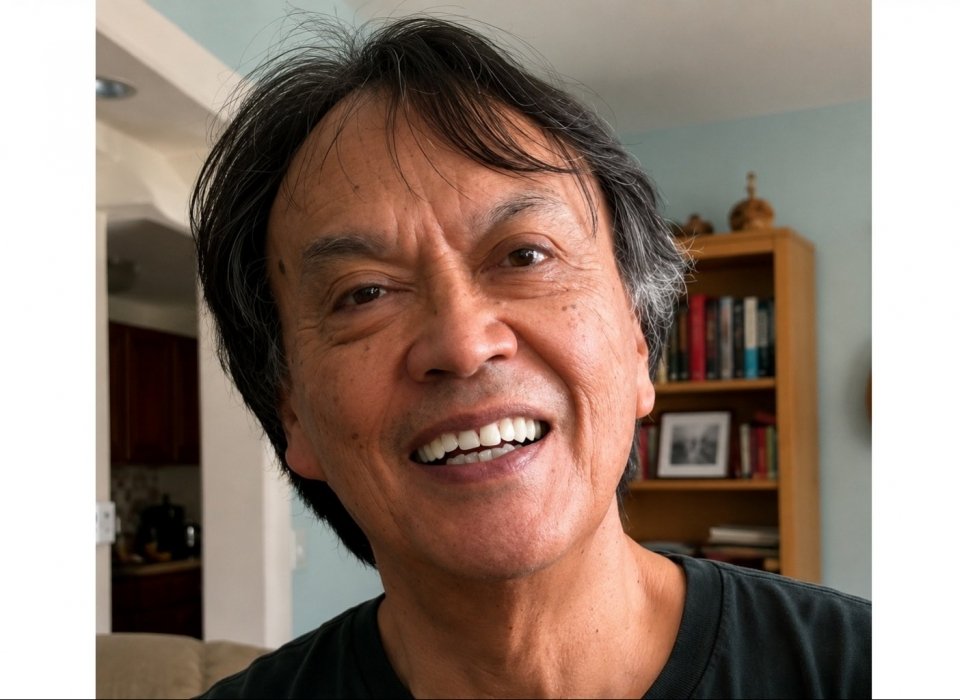
By Abraham A. van Kempen
24 July 2026
Last Monday, I left you on a cliffhanger:
Could there be a more influential power within the EU-US/NATO and the Wannabees of the Willing than the United States – the unipolar autocracy that imposes liberal democracy and says, “If you don’t, you’re dead meat”?
I made the above statement while also saying: “Future historians will see President Vladimir V. Putin as the Statesman of the Century.”
The current global situation appears bewildering. Why do the leaders of the so-called ‘rogue nations’ risk conflict – even nuclear annihilation – when they could foster cooperation to improve our shared world? And which nations are rogue? Embracing differences can be a source of healing rather than division.
Overall, the main difference between unipolar autocracy and multipolar autonomy isn't about which one is better. Instead, it shows a promising shift in our perspective: people cross borders, connect with others, and return feeling more humble, self-aware, and motivated to help make the world a better place.
So, is humanity prepared to take the meaningful steps toward healing itself—steps that are gradual and practical—such as listening before judging, valuing friendship over ideology, and prioritizing shared work over complete agreement? Justice and healing are fundamentally relational. Rebuilding humanity isn't achieved first through abstract consensus but through genuine encounter, humility, friendship, and collective effort.
While waiting for my flight at Dulles Airport in Washington, D.C., I took a moment to reflect on the inspiring mission of the Building the Bridge Foundation, especially while catching up on missed connections from the previous day. I understand that our hope can be tested by the pessimism of many who have lost faith in humanity, but deep down, we know that being human means staying true to our humanity, even when faced with the tough realities of the world around us.
The Eurocentric paradigm should gradually adapt to the evolving world, shifting away from its long-standing focus of the past six centuries that has profoundly shaped humanity:
What is mine is mine.
What is yours is mine also.
It’s either my way or the highway.
If you’re not for us, you’re against us.
If you don’t do it our way, you’re dead meat.

Sorry, I’ve got to go. We’re preparing for takeoff. Once airborne, I’ll sleep to my destination. I’m grateful for the hotel and meal vouchers for an overnight stay at the luxury hotel. Now, I must catch up on sleep.
My dream is that figures like Trump, Xi, and Putin, despite their divergent views, can converge to help build a better tomorrow.
Is there a choice?
To be continued on Monday, 27 July 2026.
Enjoy your weekend,
Abraham A. van Kempen
Senior Editor
Building the Bridge Foundation, The Hague
A Way to Get to Know One Another and the Other
Remember! Diplomacy is catalytic—transformative —while military action is cataclysmic—destructive and catastrophic.
When faced with the options to be good, bad, or ugly, let’s build bridges, not burn them. After all, mutual deterrence reigns.
‘COMMON SENSE IS RETURNING. PEOPLE ARE REALIZING WHAT’S GOING ON’ – LEONID SLUTSKY
‘Common sense is returning. People are realizing what’s going on. Soon we will all hug each other’ – Russian State Duma International Affairs Committee Chairman Leonid Slutsky.
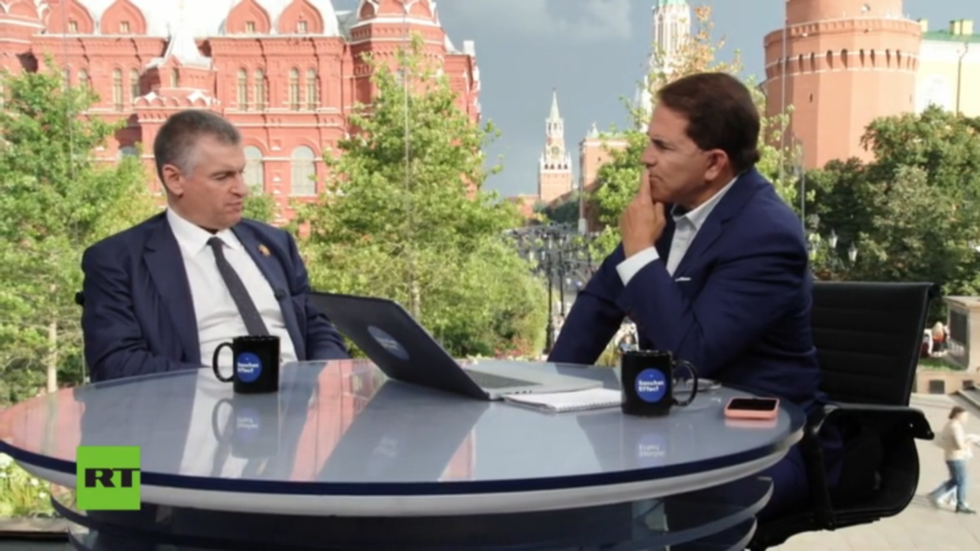
Watch the Video Here (52 minutes, 08 seconds)
Host Rick Sanchez
HomeShowsSanchez Effect
22 July 2026
On the latest episode of Sanchez Effect, Leonid Slutsky pulls back the curtain on Russia’s present-day reality. From the government’s brave stance amid sanctions to a candid look at President Putin’s relentless work ethic, he shares why Russian security is paramount and how lawmakers and citizens maintain a direct dialogue. Slutsky also tackles the issues of Ukraine’s relentless drone attacks and the complex dynamics between Russia and the West as he presents his hopeful vision for a future where peacebuilding overtakes conflict.
Get an inside view of a nation navigating through fear, resilience and the potential for reconciliation. Watch the full interview now, and see why common sense and mutual understanding might just be the pivotal elements for a new chapter in world history.
MERZ, MACRON, AND EUROPE’S IMPERIAL REBIRTH
From Atlanticism to sovereignty – Constantin von Hoffmeister explains why Germany and France’s growing military partnership might be the first step towards a truly sovereign European empire.
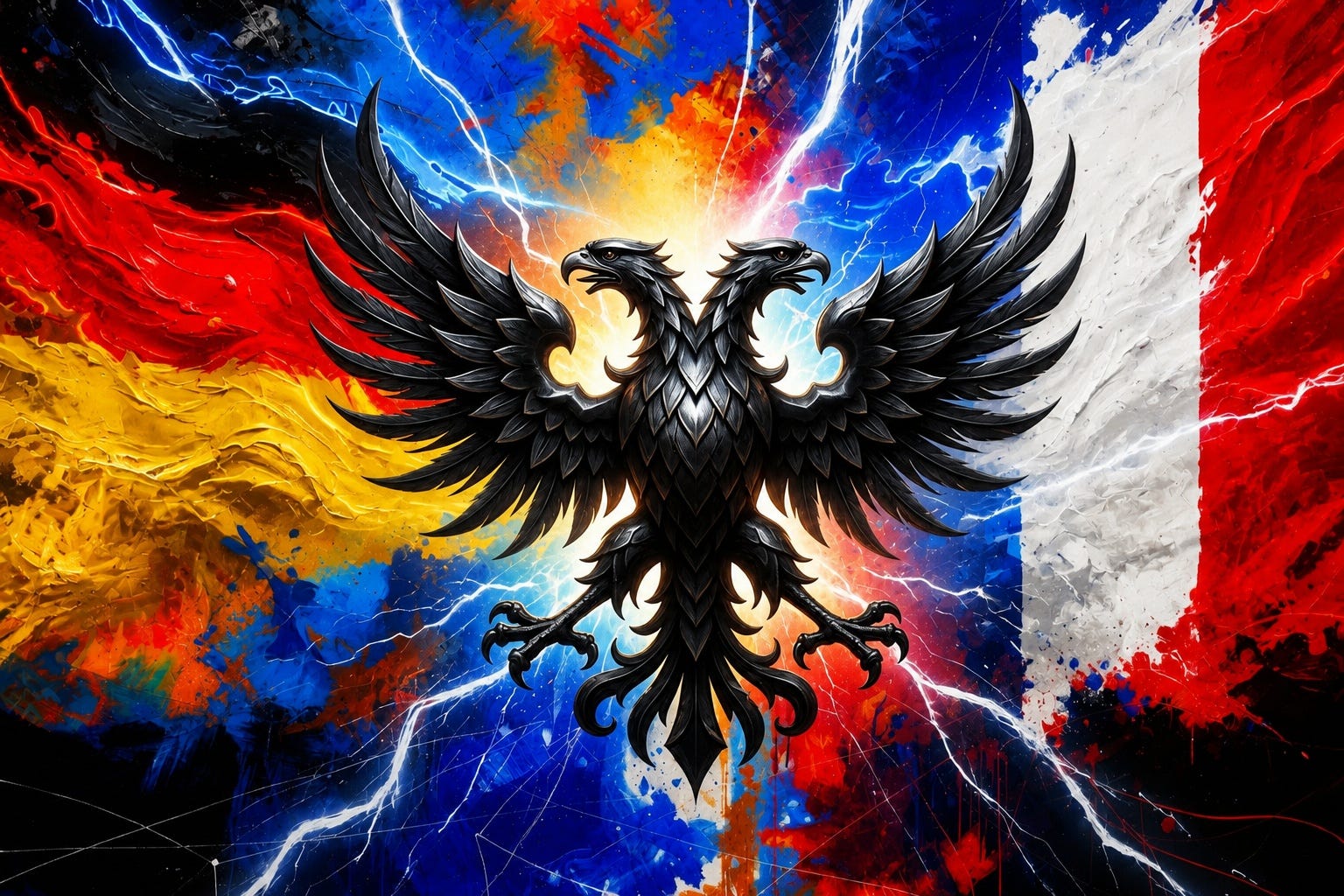
From Atlanticism to Sovereignty
By Constantin von Hoffmeister
Multipolar Press
Substack.com
18 July 2026
The German-French Ministerial Council in Brühl shows progress in military cooperation, despite challenges with the joint fighter jet project. German Chancellor Friedrich Merz and French President Emmanuel Macron met at Augustusburg Palace, where Charles de Gaulle once extended friendship to Konrad Adenauer. This event built on the 1963 Élysée Treaty, formalizing cooperation on politics, economics, and defense. The Council announced steps towards deeper defense integration, including French nuclear exercises with the Bundeswehr and Rafale jets operating from Nörvenich, Germany. These moves suggest a shift toward a broader European strategic identity beyond the EU and external powers.
Francis Parker Yockey (1917-1960), an influential American thinker, in his *Imperium* (1948), highlighted the West’s crisis and urged Europe to unify as a strong Culture-State-People. He criticized petty nationalism dividing the continent, instead promoting a vision of great nations uniting under a common imperial goal. Yockey warned that Europe’s cultural legacy was at risk from materialism, liberalism, and U.S. influence. Recent efforts by Merz and Macron—like developing the Combat Cloud system and advancing AI, space, nuclear fusion, and quantum tech—show progress toward Yockey’s ideal. While cautious, Europe is beginning to recognize its strength and move toward greater self-reliance and influence.
Is a new continental order emerging beneath the surface of European politics?
Germany acts as an American vassal, with sovereignty limited by occupation, NATO, and US economic policies. While this restricts independence, Berlin and Paris’s joint nuclear exercises show Europe's need for autonomous capabilities. Macron's plan for France to finance its nuclear deterrent independently, without Germany, supports future cooperation. These steps, from a Yockeyan view, dismantle post-1945 divisions—US and USSR imposed splits like the Iron Curtain, NATO, and the Warsaw Pact—that hinder Europe's unification into a single imperium. Despite past rivalries and wars, conflicts were internal to civilizational progress, allowing synthesis. Postwar dependence and subjugation persisted, but recent German-French military cooperation begins to break these barriers and move toward true continental unity.
Guillaume Faye (1949-2019), a French philosopher, promoted Eurosiberia as Europe's essential counterforce to the declining EU. He envisioned a geopolitically independent alliance from the Atlantic to Siberia, uniting European peoples to protect their identity, demographics, and civilization. Faye emphasized a partnership with Russia to create a continent-wide power that could challenge U.S. dominance and defend the White world's future against globalization. Recent German-French defense efforts in Brühl, though modest, support this strategy by fostering military cooperation, moving away from Atlanticist chaos towards the imperial vision Faye supported.
FCAS, or the Future Combat Air System, is a major joint project between France, Germany, and Spain, aimed at developing a next-generation fighter and its systems. Despite setbacks in the primary fighter program, ongoing development of core technologies demonstrates a commitment to European independence. Merz views FCAS as a comprehensive system, not just a single aircraft. Leaders highlighted their focus on the Combat Cloud—an integrated network linking fighters, drones, sensors, and ground systems into a unified battlefield. The collaboration also explores AI for command, space assets for strategic insight, nuclear fusion for energy independence, and quantum technologies impacting future warfare. Yockey notes these efforts reflect Europe’s resilience against external economic and technical dominance, signifying a move toward self-sufficiency for Eurosiberia.
Pan-Europeanists influenced by Yockey see that true unity can't come from Brussels' ineffective institutions, which mainly serve American dominance and liberal ideas. The EU has long promoted open borders, demographic changes, and cultural breakdowns, while weakening Europe's major powers, making them dependent. In contrast, direct talks between Germany and France at Brühl bypass much bureaucracy and focus on real power. Merz’s statement that Germany's support for France stays steady, regardless of French elections, shows a statesmanlike stance that transcends short-term politics. This view honors Europe's historical and cultural forces that Yockey documented over centuries.
Faye warned Europe faces internal decline and external pressures, calling for a revolutionary overhaul based on imperial principles for survival. His Eurosiberia concept rejects nationalism and EU liberalism, proposing a hierarchical federation rooted in shared bloodlines, history, and power. The German-French nuclear partnership is key, with forces familiarization and independent deterrents supporting Faye's strategic plan. This approach aims for readiness and compatibility for a future European defense focused eastward toward Russia, not across the Atlantic.
The symbolism of Augustusburg Palace highlights civilizational continuity. Just as de Gaulle and Adenauer aimed to heal past conflicts and shape a new European order, Merz and Macron operate in the same tradition, guided by present constraints. Yockey would view this as Europe's eternal will for empire, echoing past achievements like cathedrals, explorations, and conquests. The liberal EU symbolizes disintegration and submission, whereas joint exercises, technological projects, and friendship declarations between Berlin and Paris undermine this false order and strengthen the true European Imperium.
Pro-Russian supporters see Russia as a natural partner in developing Eurosiberia. As a major Eurasian power, Russia shares Europe's challenge from liberal globalism and has the resources to build a strong continental alliance. Germany and France's moves toward greater defense autonomy, including nuclear options, reduce US dependence and broaden strategic choices. Faye emphasized that Eurosiberia must include Russia for true geopolitical independence. The Brühl agreements, though small, are important steps toward an independent European foreign policy.
These trends affirm the lasting validity of Yockey’s Imperium and Faye’s Eurosiberia. Europe is emerging from postwar dormancy caused by occupation and liberal ideas. Countries like Germany and France are starting to pursue continental cooperation in defense and technology. More drastic measures are needed: complete strategic independence, revitalizing the population, dismissing EU illusions, and partnering with Russia across Eurasia. The consensus in Brühl shows Europe’s desire for power remains strong. The future belongs to those who pursue this civilizational goal with focus, bravery, and resolve toward the Eurosiberian union.
If you enjoy Constantin von Hoffmeister’s work, order his new book, *The Fate of White America*, today.
GUEST EDITORIAL | UKRAINE HAS A NEW BUTCHER-IN-CHIEF – ALL THE BETTER TO FEED UKRAINIANS TO THE GRINDER
Syrsky is gone, but his replacement is a sign that Zelensky is as committed as ever to prolonging a losing war at terrible human cost
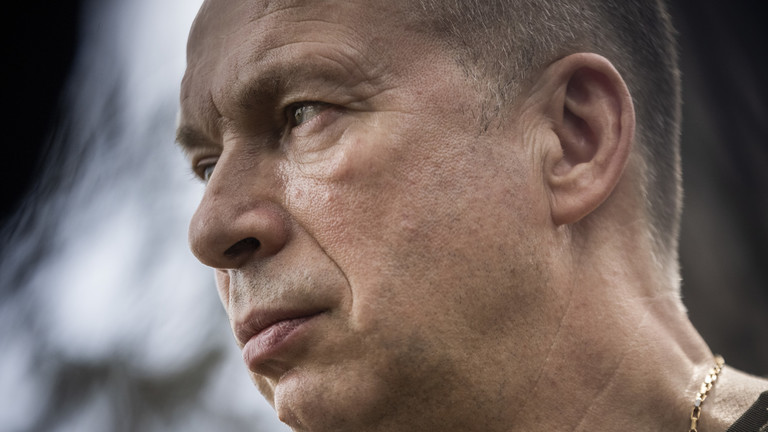
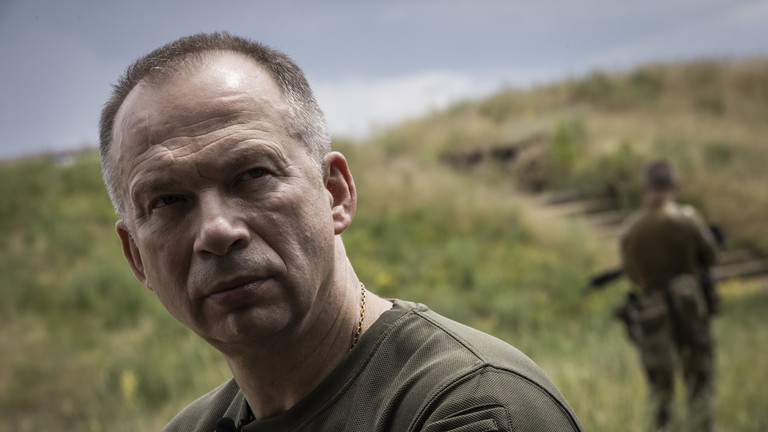
Former Ukrainian commander-in-chief Aleksandr Syrsky © Ed Ram / Getty Images
By Tarik Cyril Amar, a historian from Germany working at Koç University, Istanbul, on Russia, Ukraine, and Eastern Europe, the history of World War II, the cultural Cold War, and the politics of memory
@tarikcyrilamartarikcyrilamar.substack.comtarikcyrilamar.com
HomeWorld News
22 July 2026
The rule of Vladimir Zelensky has been a catastrophe for Ukraine, and that is how it will be remembered once the dust of relentless info war campaigns in his favor – and against his critics – settles.
While the corruption of the Zelensky regime is stupendous, that fact – sad as it is – is not what makes him special. Exorbitant, shameless embezzlement, kickbacks, and fraud have been the Ukrainian establishment’s perverse normal since independence. Zelensky and his cronies are certain to have cashed in like no one before because the West has pumped in money as never before while turning a blind eye to what happens to it. But in principle, Zelensky has merely done what they all do. Not that that makes it any better.
Zelensky’s truly distinct contribution to Ukraine’s misery has consisted of two other things. His unprecedented ramp-up of authoritarianism – begun long before the escalation of the war in 2022 – and his merciless decision to relentlessly sacrifice his country and its people as cannon fodder in a Western proxy war against Russia.
Zelensky’s responsibility to his country is all the greater because he either knew better or lied. During his 2019 election campaign, when he generally “avoided serious interviews and discussions about policy – preferring instead to post light-hearted videos to social media,” as the BBC was still ready to report at the time, the comedian-on-the-way-to-the-presidency made one and only one specific promise: that he understood the absolute priority of peace and would do everything to find a negotiated solution with Russia.
Read more
Zelensky fires top Ukrainian General Syrsky
And then, in the spring of 2022, Zelensky, of course, deliberately missed a golden opportunity to end the large-scale war when it had barely begun. Heeding not Ukraine’s obvious national interest but duplicitous advice from the West’s emissary, then-British Prime Minister Boris Johnson, Zelensky personally ditched an almost finished peace agreement, locking in years of devastation for his country. In the end, once the war is fully lost, Kiev is virtually certain to get a deal much worse than what was on offer then.
Now, in the summer of 2026, it may seem as if Zelensky’s grip on Ukraine is finally slipping. A combination of street protests and – inevitable, if quiet – Western pressure has forced him into a humiliating climbdown. After the president’s sudden dismissal of the popular – and much-hyped – defense minister Mikhail Fedorov, protesters demanded his reinstatement and the sacking of Fedorov’s rival, the military’s commander-in-chief, Aleksandr ‘the Butcher’ Syrsky. Zelensky has now fired Syrsky, who will be replaced by General Mikhail Drapaty, while a new influential position for Fedorov is being discussed.
Boris Johnson, currently a more-than-usual washed-out has-been of British politics, busy trying to catch the public eye, has made meager headlines by blaming the Ukraine War on Britain’s new foreign secretary, Ed Miliband.
How is that supposed to work? Somehow via Syria. Yes, really.
The single most important cause of this perfectly avoidable war was, of course, the West’s reckless policy of NATO expansion. And the man who most directly helped prolong the war when it could have ended quickly was Boris Johnson. But sure: “Syria.”
Boris, though, does stand for something, namely how bizarre much of this developing story is. Here is a regime that, together with its Western supporters and users, has just been running an absurd yet pervasive propaganda campaign claiming that its drone and missile strikes are winning the war. And yet both the minister of defense and the head of the military have to go. An odd way to celebrate impending victory.
Read more
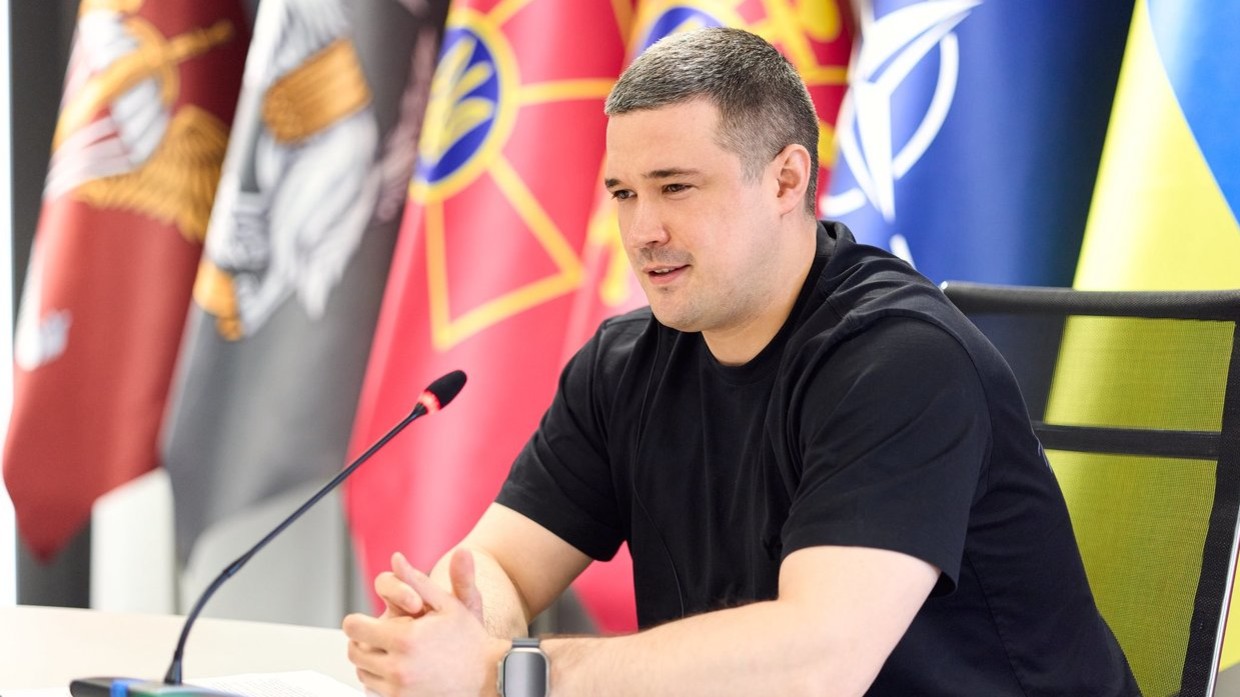
Ukraine’s leadership crisis: Has Zelensky created another political rival?
The Fedorov-Syrsky saga shows that even Zelensky doesn’t believe his own boasts about moving the war from “the earth into the sky” and securing victory that way. Fedorov did not have to go, despite finding a winning “asymmetrical” strategy, as many protesters and the Western mainstream media claim. He never did. Fedorov did not fall over his alleged struggle against corruption either. He may have antagonized one set of war profiteers, but in Ukraine that only means another network will take a larger cut.
The most likely real reason for Fedorov’s sacking – whether it will be reversed or sort-of-reversed – is that Zelensky fears him as a rising political competitor, as Ukrainska Pravda reports. And while firing the defense minister, Zelensky himself created the cover story that there was no other way to deal with conflicts between Fedorov and Syrsky. In doing so, Zelensky made Syrsky, already widely disliked for wasting the lives of Ukrainian soldiers with futile and stubborn tactics, a target for the protesters.
The diehard Zelensky fans at Britain’s Telegraph may try to sell this outcome as “nimble,” with Zelensky successfully buying time by making Syrsky his fall guy, as he had already sacrificed his very intimate friend and top fixer, Andrey Yermak, to dodge the fallout from his own corruption. In reality, Zelensky has lost face again. His authority, already brittle, has taken another hit.
For Ukraine, though, none of this is good news. Yes, the de facto dictator Zelensky has suffered a defeat, and the abhorred ‘butcher’ Syrsky has been removed. But he has been replaced by a man who, though almost two decades younger, is very unlikely to be any better. Drapaty, who is treated with kid gloves by the Ukrainian and Western mainstream media, may or may not be an efficient commander. What is certain is that he first came to public attention in 2014, when his units brutally cracked down on resistance in the eastern Ukrainian city of Mariupol (before, as often forgotten, losing control of the city). Nothing in his career since then indicates a change of attitude. This is the man now in charge of the whole Ukrainian military.
Zelensky may well know that his own hype about the current air campaign turning the war around is propaganda. Yet that does not mean the Ukrainian leadership is willing to be serious about a negotiated solution. Emboldened by reckless Western support, Kiev has not yet given up on continuing a losing war, propped up by brutal forced mobilization, until an end that will be even more bitter than Ukraine’s current wretchedness.
Tarik Cyril Amar, PhD., is a historian and expert on international politics. He has a BA in Modern History from Oxford University, an MSc in International History from the London School of Economics, and a PhD in History from Princeton University. He has held scholarships at the Holocaust Memorial Museum and the Harvard Ukrainian Research Institute and directed the Center for Urban History in Lviv, Ukraine. Originally from Germany, he has lived in the UK, Ukraine, Poland, the USA, and Turkey.
Dr. Amar’s book 'The Paradox of Ukrainian Lviv: A Borderland City between Stalinists, Nazis, and Nationalists' was published by Cornell University Press in 2015. A study of the political and cultural history of Cold War television spy stories is about to appear, and he is currently working on a new book on the global response to the war in Ukraine.
He has given interviews on various programs, including several on Rania Khalek's Dispatches and Breakthrough News.
His website is https://www.tarikcyrilamar.com/; he is on Substack under https://tarikcyrilamar.substack.com, and tweets under @TarikCyrilAmar.
BUILDING THE BRIDGE! | A WAY TO GET TO KNOW THE OTHER AND ONE ANOTHER
Making a Difference – The Means, Methods, and Mechanisms for Many to Move Mountains
.jpg)
Photo Credit: Abraham A. van Kempen, our home away from home on the Dead Sea
By Abraham A. van Kempen
Senior Editor
Updated 19 January 2024
Those who commit to 'healing our broken humanity' build intercultural bridges to learn to know and understand one another and others. Readers who thumb through the Building the Bridge (BTB) pages are not mindless sheep following other mindless sheep. They THINK. They want to be at the forefront of making a difference. They're seeking the bigger picture to expand their horizons. They don't need BTB or anyone else to confirm their biases.
Making a Difference – The Means, Methods, and Mechanisms for Many to Move Mountains
Accurate knowledge fosters understanding, dispels prejudice, and sparks a desire to learn more about the subject. Words have an extraordinary power to bring people together, divide them, forge bonds of friendship, or provoke hostility. Modern technology offers unprecedented possibilities for good, fostering harmony and reconciliation. Yet, its misuse can cause untold harm, leading to misunderstandings, prejudices, and conflicts.
A Free Trial for Life – SUBSCRIBE NOW!

• It's quick and straightforward.
• We won’t ask for your credit card number.
• Just enter your e-mail address to receive your complimentary free-for-life subscription to our newsletter.
• Please include your First and Last Name.
• We won’t share or sell your e-mail address.
_________________________
Related Articles Recently Posted on www.buildingthebridgefoundation.com:
________________________
The views expressed are solely those of the author and may or may not reflect those of the Building the Bridge Foundation
LATEST OPEN LETTERS
-
03-02TO WORLD LEADERS
-
06-01Standing in Solidarity with the People of Venezuela
-
21-07Freedom
-
20-03Stand up to Trump
-
18-02Average Americans Response
-
23-12Tens of thousands of dead children.......this must stop
-
05-06A Call to Action: Uniting for a Lasting Peace in the Holy Land
-
28-05Concerned world citizen
-
13-02World Peace
-
05-12My scream to the world
VIRTUAL POST OFFICE
PETITIONS
LINKS
DONATION
Latest Blog Articles
-
15-10Our Friday News Analysis | What the World THINKS Now!
-
14-10Our Wednesday News Analysis | Navi Pillay, head of UN commission that accused Israel of genocide, wins Nobel Peace Prize
-
13-10Navi Pillay, head of UN commission that accused Israel of genocide, wins Nobel Peace Prize
-
13-10No state has a ‘right’ to exist – least of all an apartheid, genocidal state like Israel
-
13-10‘By the Way, the World is Not Stopping Us’: The Secret of Israel’s ‘Success’
-
12-10Our Monday News Analysis | What the World THINKS Now!
-
08-10Our Friday News Analysis | What the World THINKS Now!
-
07-10Our Wednesday News Analysis | The West wants Netanyahu gone - so Palestinians can be killed more quietly again
-
06-10The West wants Netanyahu gone - so Palestinians can be killed more quietly again
-
06-10Israel turns Gaza into largest ghetto in modern history, killing residents one after another as three-year genocide continues
-
06-10Analysis Europe's Boycott of Israel Is Rapidly Expanding – and It Won't Be Easy to Stop
Latest Comments
 One of the most important and illuminating articles that I …
Comment by Benjamin Inbaraj-
And what's wrong here?
After all, there is the homeland …
Comment by Isac Boian -
Does this reinforce or deny my argument that Israel is …
Comment by Edward Campbell -
Many 'say' they support the Palestinian cause but do little …
Comment by Philip McFedries -
The UN is strangled by the "war for profit" cabal …
Comment by Philip McFedries -
I can't read the printing on the map.
Comment by Philip McFedries -
Good news!
Comment by Philip McFedries
COMMENTS
This article has 0 comments at this time. We invoke you to participate the discussion and leave your comment below. Share your opinion and let the world know.