 NEWSLETTER
The Friday Edition
Our Friday News Analysis | What the World Reads Now!
Helping to Heal a Broken Humanity (Part 76)
The Hague, 20 March 2026 | If you know of a decisive story, tell the world! We're still searching.
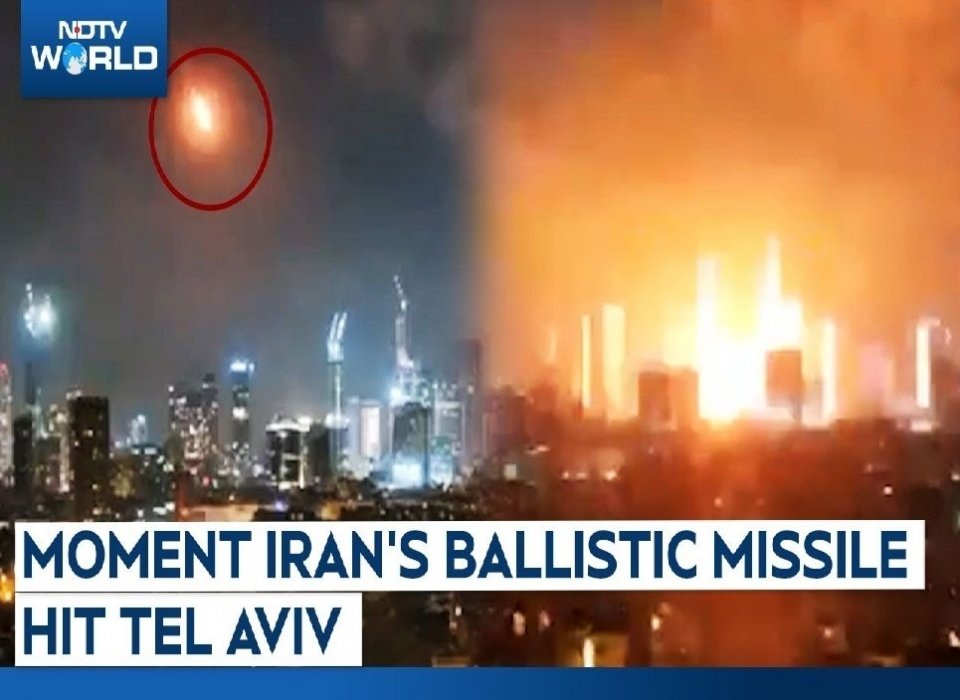
A Middle East Ablaze ... For How Long? Long!
Please give Major Scott Ritter eight minutes and 23 seconds of your time. He’ll fill you in on what’s happening in the Middle East and beyond.
RITTER’S RANT 082: FOOL AROUND, FIND OUT
- Trump started this war.
- The American people yawned.
- Iran is finishing it.
- The American people wake up.
- But it is too late--we fooled around, and we are about to find out.

Watch the Video Here (8 minutes, 23 seconds)
Scott Ritter
Substack.com
18 March 2026
This episode of Ritter’s Rant argues that U.S. support for Israel’s increased actions against Iran—approved by President Donald Trump despite internal warnings of high strategic risks—has caused regional destabilization with global consequences.
The analysis states that attacks on Iranian energy infrastructure altered the conflict, leading Iran to retaliate against energy assets in Gulf Arab states allied with the U.S. and Israel.
This disruption to Middle Eastern oil and gas supplies has increased global energy market volatility, raised costs in international supply chains, and exposed weaknesses in Europe and Asia’s energy security.
Scott Ritter warns that declining revenues could threaten the stability of Gulf monarchies. He highlights that this escalation is causing a long-term shift in global energy and geopolitics, not just minor impacts.
Click here for Part 1
Click here for Part 2
Click here for Part 3
Click here for Part 4
Click here for Part 5
Click here for Part 6
Click here for Part 7
Click here for Part 8
Click here for Part 9
Click here for Part 10
Click here for Part 11
Click here for Part 12
Click here for Part 13
Click here for Part 14
Click here for Part 15
Click here for Part 16
Click here for Part 17
Click here for Part 18
Click here for Part 19
Click here for Part 20
Click here for Part 21
Click here for Part 22
Click here for Part 23
Click here for Part 24
Click here for Part 25
Click here for Part 26
Click here for Part 27
Click here for Part 28
Click here for Part 29
Click here for Part 30
Click here for Part 31
Click here for Part 32
Click here for Part 33
Click here for Part 34
Click here for Part 35
Click here for Part 36
Click here for Part 37
Click here for Part 38
Click here for Part 39
Editorial | I Smell a Rat
By Abraham A. van Kempen
20 March 2026
What’s going on? Something doesn’t feel right. We all have front-row seats to a theater of war that will benefit only the puppeteers pulling the strings. Nothing makes sense. Unless? What if the countries in the Middle East are pitted against one another to destroy each other?
What would it take to completely destabilize the Middle East, halt oil flow temporarily, eliminate ruling families, and then take control of and reconstruct the oil and gas industries? Does the United States know what it’s doing? Probably not! They have blindly served as the brawn and the enforcer of Eurocentric policies. When it’s all over, President Trump, whom they have treated with contempt, will likely be thrown under the bus or to the wolves, like Nero, the delusional Roman Emperor. Of course, Iran will be balkanized like the former Yugoslavia, unless Russia and China save the day.
Who is pulling the strings? Who will divide and conquer and reap the spoils of war?
- Those who own money in money, i.e., mega financial institutions.
- Those who own money in mega natural resources companies.
- Those who own money in mega-military-industrial complexes.
- Those who own money in mega construction firms, the ones that rebuild countries.
- Those who own money in mega information outlets of all sorts.
Why do they seem so elusive? They are not! Most are well-known figures with vast wealth – old money – accumulated over the centuries. Many are prominent members of organizations like the Bilderberg Group, the Club of Rome, the Trilateral Commission, the Council on Foreign Relations, the Davos Economic Forum, and other global centers of power. Additionally, some are active participants of the Epstein Class. They do ‘good’ work, such as underwriting research and development projects by funding entire university departments and researchers to produce papers and books that manufacture consent and exploit public opinion. Journalists, hungry for work and competing for the best-paid and glamorous positions, propagate their ideas to an ignorant and arrogant public.
They are of one thought-form and mindset, rooted in centuries of divine-right doctrines, and are to shape the world in their image. They preach democracy, but only as long as they remain privileged to influence it with their money, while others have little voice in the votes they cast, only every few years. Most people on Earth want to live and let others live. Ask if these hegemons care? They constitute a minority that tyrannizes the majority through their obsession to kill, steal, and destroy.
Their modus operandi, veiled as honest-to-goodness, holier-than-thou, kumbaya-like globalism is:
What is OURS is OURS.
What is yours is OURS also.
You’re either for us or against us.
It’s either OUR way or the highway.
If you’re not with us, you're dead meat.
They’re so skilled at waving the banner of holy goodness. Their spokespersons have built-in believability. When the Secretary-General of NATO, Mark Rutte, demonizes Russia and its president, the ignorant and arrogant people of the West believe him, despite the blatant lies. Their ways and means conflict with regimes that can stand on their own.
In countries like Iran, Russia, or China, they cannot easily influence politics with their money.
However, in corrupt countries like Ukraine, Israel, and others that have experienced regime change, they have managed to fund opposition groups that work to overthrow democratically-elected governments, often doing so secretly rather than openly.
Although Iran has won the major battles so far, it cannot win the war on its own. In the best-case scenario, Presidents Trump, Xi, and Putin need to work out a deal before the entire region blows apart. Before it gets better, if it does, it will get worse.
What is, IS NOT. What is not, IS. I smell a rat.
Have a wonderful weekend.
Abraham A. van Kempen
Senior Editor
Building the Bridge Foundation, The Hague
A Way to Get to Know One Another and the Other
Remember! Diplomacy is catalytic—transformative —while military action is cataclysmic—destructive and catastrophic.
When faced with the options to be good, bad, or ugly, let’s build bridges, not burn them. After all, mutual deterrence reigns.
FROM TEHRAN | SEYED M. MARANDI: U.S. ATTACKED WORLD'S LARGEST GAS FIELD & IRAN DECLARES ECONOMIC WAR
Seyed Mohammad Marandi states that Iran has declared economic war following the US and Israel's attack on South Pars, the world's largest gas field. Marandi, who is a professor at Tehran University and a former advisor to Iran's Nuclear Negotiation Team, made this assertion.

Watch the Video Here (50 minutes, 59 seconds)
Host Prof. Glenn Diesen
Substack.com
18 March 2026
Tehran University professor Seyed Mohamed Marandi discusses a rapid escalation in the U.S.–Israel conflict with Iran, mentioning strikes near key sites, assassinations, and attacks on energy facilities. He notes Iran's leverage through maritime chokepoints and warns that further escalation could severely impact regional and global economies.
At a glance
Escalation: Marandi points to reported strikes near Bushehr, assassinations, and attacks on major energy assets as evidence of a widening campaign.
Leverage: He argues Iran can pressure opponents via the Strait of Hormuz and by threatening regional oil and gas infrastructure.
Retaliation risk: He predicts Gulf states hosting or supporting U.S. operations could face retaliatory strikes; he also cites Iraq- and Yemen-based actors as potential escalatory vectors.
Limits of force: He questions whether U.S. ground deployments could meaningfully reopen shipping lanes, given Iran’s missile reach and geography.
Global fallout: He warns that sustained damage to energy supply and infrastructure could trigger longer-term economic disruption beyond a short-lived price shock.
Settlement stance: He rejects a simple ceasefire as inadequate, arguing for a broader political settlement that changes regional security conditions and includes reparations.
Marandi outlines Iran's conditions for a resolution.
Marandi says Iran is not seeking a temporary ceasefire that would allow adversaries to rearm and resume attacks. Instead, he argues that any deal would need to
- address the security architecture of the Persian Gulf so neighboring states cannot be used as staging grounds for attacks on Iran
- (2) include Iran’s regional allies in arrangements to halt hostilities, and
- (3) include reparations for damages.
Overall takeaway
Overall takeaway: Marandi’s core argument is that military escalation is unlikely to force Iranian capitulation and instead raises the probability of broader regional retaliation and extended disruption to global energy markets—unless a settlement alters the regional conditions he says enabled the attacks.
LAWRENCE WILKERSON: U.S. STRATEGIC DEFEAT IN IRAN WILL RESHAPE THE WORLD
Colonel Wilkerson discusses why the impending defeat of the US will reshape the great-power rivalry.
Wilkerson contends that a U.S. ground invasion of Iran is unlikely.
- He notes that trying to keep the Strait of Hormuz open by force would be dangerous, even under perfect conditions.
- Additionally, as conflicts prolong, the risks of escalation—including extreme measures—increase.
- He points out the shortages in munitions and industrial capacity, cautioning that political issues and logistics might pose greater restrictions than strategic factors.
- He proposes that a diplomatic solution relies on restoring credibility and securing a regional ceasefire.
Lawrence Wilkerson is a retired Colonel in the US Army and the former Chief of Staff to the US Secretary of State.
Watch the Video Here (53 minutes, 55 seconds)
Host Prof. Glenn Diesen
Substack.com
18 March 2026
Col. Lawrence Wilkerson (ret.) on Iran, Hormuz, and the Risk of Escalation
Excerpts from Prof. Glenn Diesen's interview with Col. Lawrence Wilkerson (ret.), the former chief of staff to the U.S. Secretary of State.
Q: Trump expected a short war. Is “boots on the ground” a realistic next step?
A: No. A large-scale ground campaign would be politically and militarily untenable—an open-ended commitment with heavy casualties and no clear end state.
A: As Haaretz put it: “To win, Iran needs only not to lose. To win, Bibi and Donald need a spectacular victory.” The asymmetry matters—avoiding defeat is a workable strategy; chasing a decisive win is far harder.
A: If you imagine any limited landing scenario, Kharg Island is the only objective that looks strategically meaningful because of its role in Iran’s oil exports—but even that would be extremely high risk. In past wargames of a major confrontation (run by Lt. Gen. Paul Van Riper), U.S. forces lost badly—twice—and that was before Iran’s current capabilities.
A: Today, Iran’s ability to impose costs is greater, and replacing advanced systems is slow—industrial capacity and supply chains matter. A ground war would likely require years, mobilization, and potentially conscription, which the U.S. public would not support.
The Strait of Hormuz: what “opening” would mean
Q: If shipping is disrupted, can the U.S. “open” the Strait of Hormuz by force?
A: The traditional approach is escorted shipping. In the late 1980s, the U.S. re-flagged Kuwaiti tankers and escorted them (Operation Earnest Will), later escalating with direct action (Operation Praying Mantis). Even with overwhelming naval superiority, it was risky and costly.
A: The navigable channels are narrow and vulnerable to mines and shore-based strikes. Today, the challenge is steeper: Iran’s missile capabilities compress reaction time, while U.S. readiness and sustainment constraints are more pronounced than in earlier eras.
A: A prolonged conflict would likely ripple through global markets—energy prices, shipping insurance, and critical inputs like fertilizer—while reducing diplomatic options with every passing week.
Escalation risk
Q: How real is the risk of extreme escalation, including nuclear use?
A: In past crises—1973 is the reference point—superpower pressure helped restrain escalation. That external brake is weaker today, which increases the risk of rapid, unilateral decision-making.
A: If escalation happens, it may not come with prolonged warning, and the consequences would be hard to contain.
Weapons stocks and political limits
Q: Does the U.S. have the munitions—and the public support—to sustain a long war?
A: “Unlimited” stocks are a myth. For many complex munitions and air-defense systems, scaling production takes months to years. If the conflict widened to the point of requiring mobilization or conscription, political support would likely collapse—setting a hard ceiling on what the U.S. can sustain.
Is there a diplomatic off-ramp?
Q: What would it take to end this diplomatically?
A: The first obstacle is trust: Iran’s officials argue U.S. commitments are no longer credible. The second is enforcement: any durable negotiation would likely require Israel to halt operations, and intermediaries such as Oman have limited room if Washington cannot or will not compel a pause.
How it could end
Q: What’s the most realistic end state?
A: The cleanest exit, in this view, is political: Trump declares success and withdraws. If the U.S. steps back, Israel either de-escalates or proceeds largely alone and absorbs the strategic and diplomatic costs. The longer the war runs, the harder any “clean” exit becomes.
What is the Side of the Story that is Not Yet Decisive? Edited and annotated by Abraham A. van Kempen
FROM OUR FRIENDS, THE HOLY LAND CHRISTIAN ECUMENICAL FOUNDATION

Dear brothers and sisters,
On this blessed occasion of Eid al-Fitr, we extend our warmest wishes to our Muslim brothers and sisters as you celebrate the end of the holy month of Ramadan.
May the Almighty accept your fasting and prayers, inspire hearts toward justice, and bring peace to our land.
May this Eid bring you and your family joy, happiness, peace, and prosperity. We pray that the next Ramadan will be celebrated together in a free and peaceful Palestine—especially in the City of Peace, Jerusalem.
Eid Mubarak!
Rateb Y. Rabie, KCHS
President/CEO,
Holy Land Christian Ecumenical Foundation (HCEF)
__________________________________________________
الإخوة والأخوات الأعزاء،
في هذه المناسبة المباركة، عيد الفطر السعيد، نتقدم بأحرّ التهاني وأطيب الأمنيات إلى إخواننا وأخواتنا المسلمين بمناسبة انتهاء شهر رمضان المبارك.
نسأل الله العلي القدير أن يتقبل صيامكم وصلواتكم، وأن يُلهم القلوب بالسعي نحو العدالة، وأن يعمّ السلام في أرضنا.
نسأل الله أن يحمل هذا العيد لكم ولعائلاتكم الفرح والسعادة والسلام والازدهار، وأن نحتفل برمضان القادم معًافي فلسطين حرة وآمنة وخاصة في مدينة السلام، القدس.
عيدكم مبارك!
راتب ربيع
الرئيس التنفيذي / رئيس مجلس الإدارة
مؤسسة الأراضي المقدسة المسيحية المسكونية (HCEF)
_________________________________________________
Holy Land Christian Ecumenical Foundation | 2227 Bel Pre Road | Silver Spring, , MD 20906 US
ASYMMETRIC ECONOMIC WAR: IRAN CHALLENGES US DOLLAR, DEMANDING OIL BE SOLD IN CHINESE YUAN, AS IT TARGETS US CORPORATIONS
In reaction to Trump's aggressive actions, Iran employs asymmetric strategies, focusing on US companies and dollar dominance, challenging the petrodollar system, and calling for oil sales in Chinese yuan.
By Ben Norton
Geopolitical Economy Report
Substack.com
19 March 2026
Iran has responded to the war of aggression that the United States and Israel launched against it on February 28 by using unconventional tactics.
As the US and Israel target Iranian officials via assassinations and attack civilian sites, Tehran defends its sovereignty with asymmetric economic strategies, like striking US military bases, targeting US companies, and challenging dollar dominance.
After blocking the Strait of Hormuz, Iran disrupted global energy markets and challenged the petrodollar by requiring ships to sell oil in China’s yuan, not dollars.
Iran proves a medium-sized Global South country can oppose the US empire.
Iran’s asymmetric warfare
The US has the world's strongest military, spending about $1 trillion annually. Iran’s defense budget is under $10 billion, just 1% of the US budget.
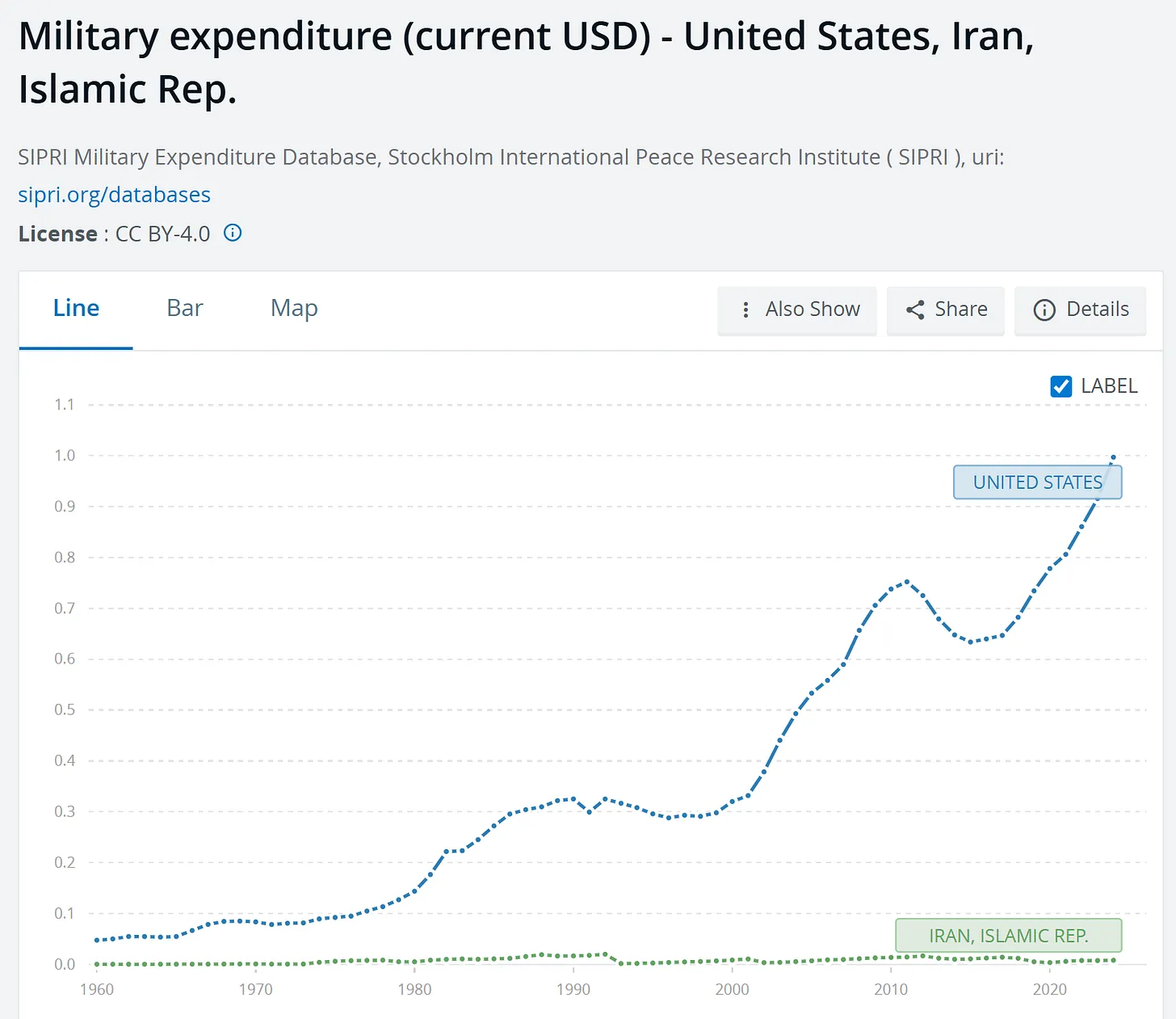
Iran recognized the need for asymmetric warfare due to the gap in conventional military power.
Iranian military strategists pinpointed the US empire's weak spots and targeted these vulnerabilities.
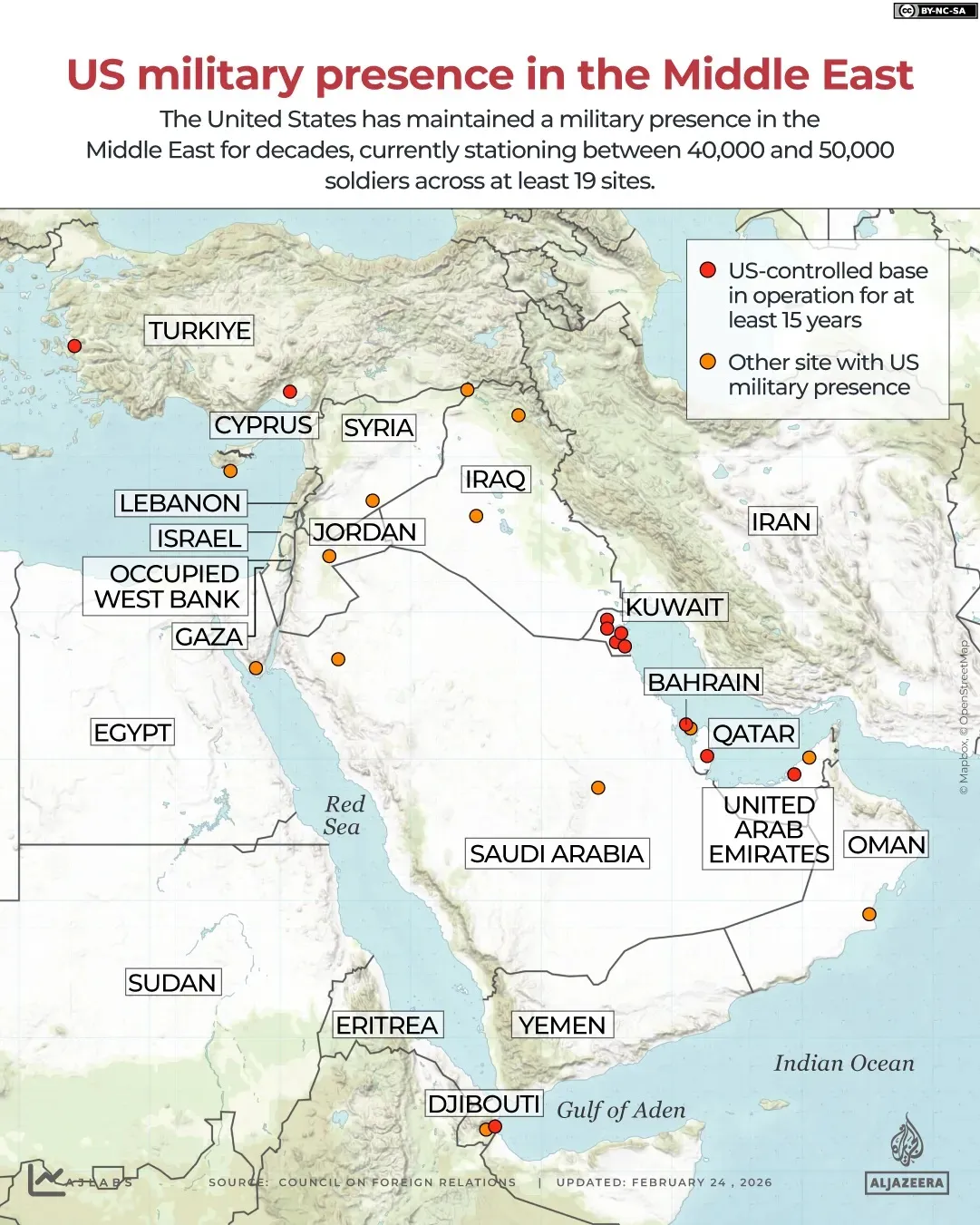
Right after the Donald Trump administration began this war of aggression, Iran responded by attacking approximately twenty US military bases in West Asian neighboring countries.
Tehran attacked a major CIA station at the US embassy in Saudi Arabia, including radar systems and US Air Force refueling aircraft.
Under international law, Iran can reply to US-Israeli aggression, as Article 51 of the UN Charter affirms a nation's right to self-defense.
The largest oil supply crisis in history
Nevertheless, this was just the start of Iran’s asymmetric warfare strategy.
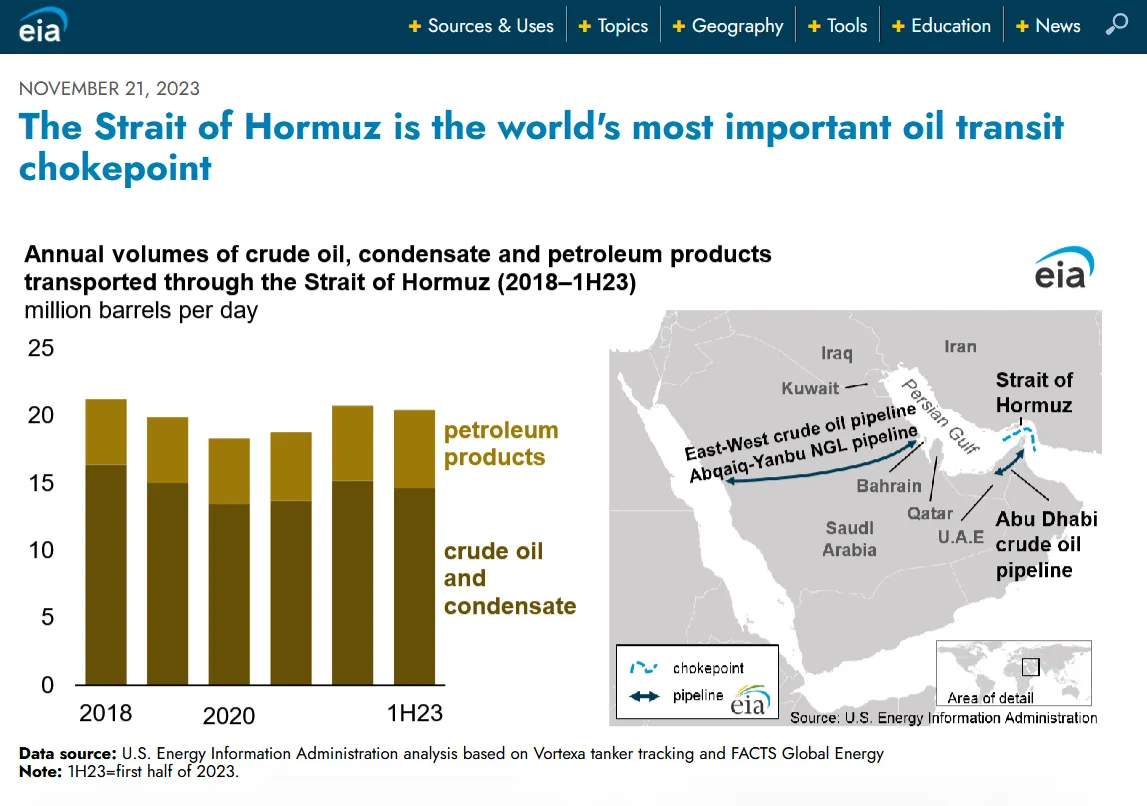
Tehran closed the Strait of Hormuz, called “the world’s most important oil transit chokepoint" by the US EIA, in response to the US-Israeli war of aggression.
Prior to this war, about 20% of the world's oil trades daily through this narrow strait.
Since the Trump administration initiated this war, traffic has come to a standstill.
A spokesperson for Iran’s IRGC said they will block 'a liter of oil” from passing through the strait until the US and Israel cease their aggressive actions.
The spokesperson stated, according to Al Jazeera,
"You will not be able to artificially lower the price of oil. Expect oil to reach $200 per barrel."
“The price of oil depends on regional security, and you are the main source of insecurity in the region”, the IRGC added.
This US-Israeli conflict has caused the largest supply disruption in global oil market history, according to the International Energy Agency (EIA).
Oil prices rose from ~$60 in January 2026 to over $100.
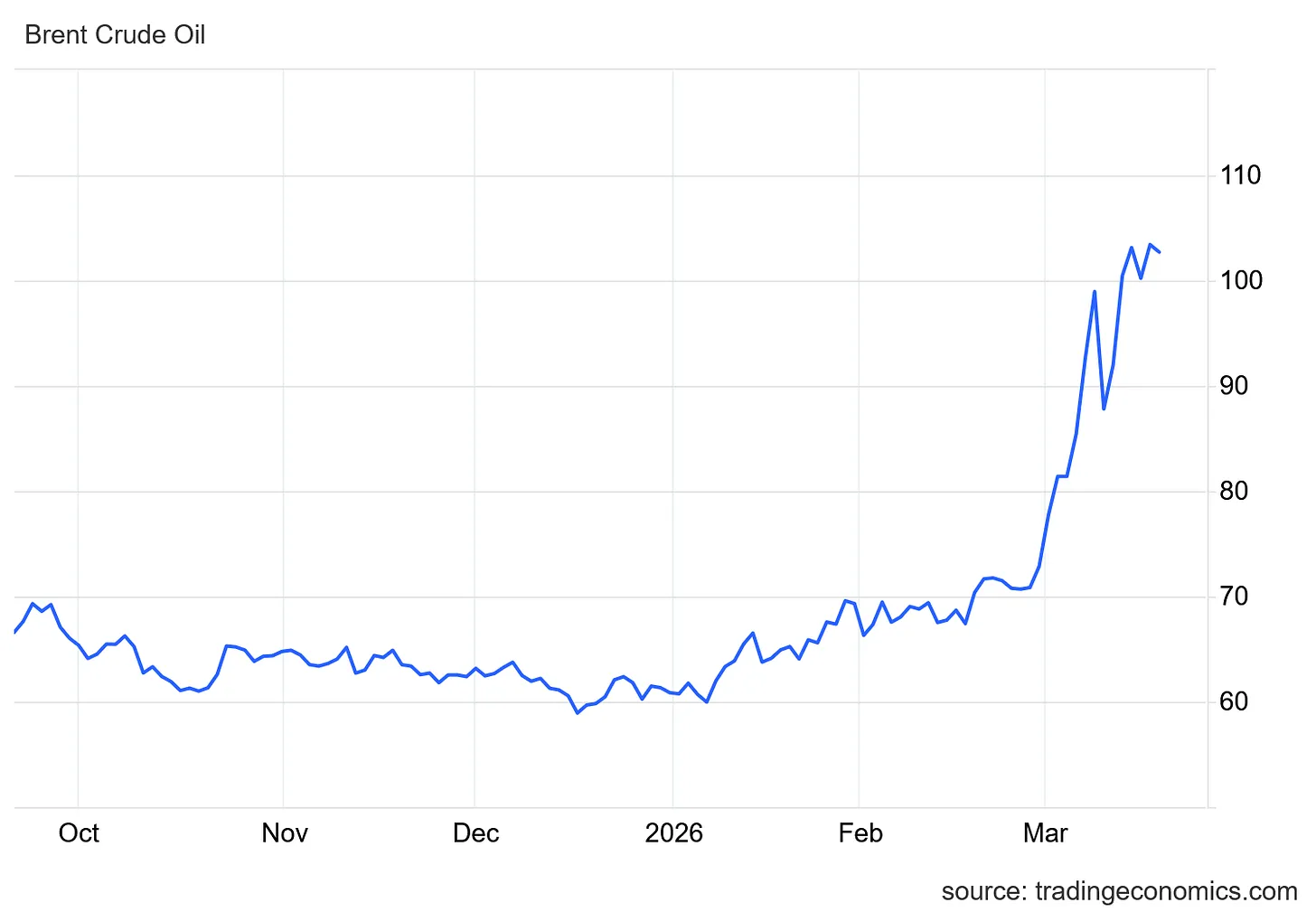
Iran challenges the petrodollar system, demanding oil payments in Chinese yuan
However, while Iran has shut down the Strait of Hormuz, it made an important exception.
- Tehran announced Chinese tankers can transit the oil choke point unimpeded.
- Some ships have claimed to have commercial links to China, although this is not always accurate.
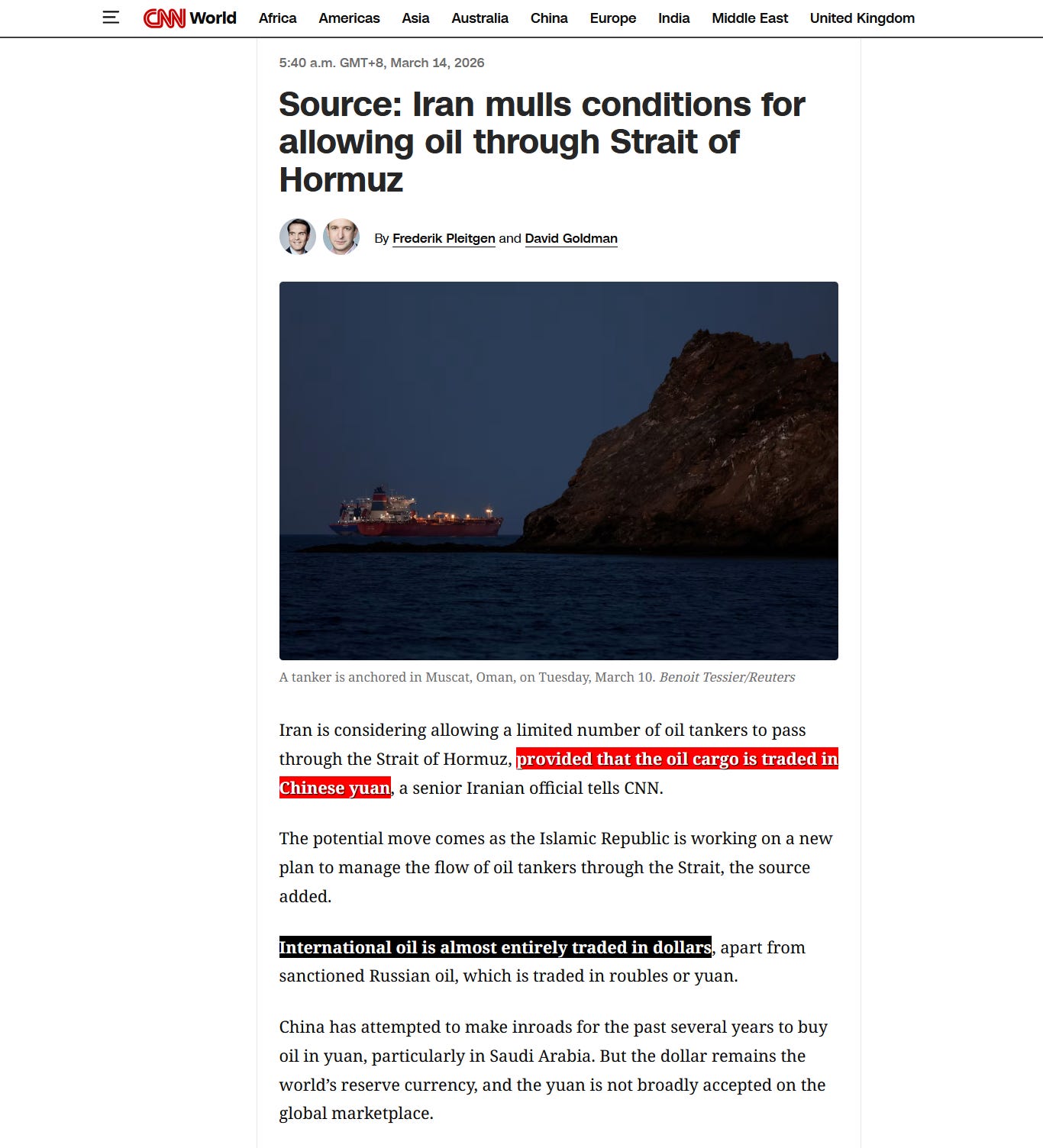
- An Iranian official told CNN that tankers can pass through the Strait of Hormuz if they sell oil in China’s yuan instead of US dollars.
This is what CNN reported on March 14 (emphasis added):
A senior Iranian official told CNN that Iran might allow some oil tankers to pass through the Strait of Hormuz if their oil is traded in Chinese yuan.
This is a significant geopolitical event challenging the US dollar's global dominance.
- The dollar is the US empire's most powerful tool—more influential than its military strength.
- The dollar's status as the world's reserve currency and US print rights give it "exorbitant privilege”.
- The US maintains large deficits over $1 trillion annually by importing foreign-produced goods and services. It avoids currency depreciation and inflation because the dollar's reserve currency status sustains artificial demand.
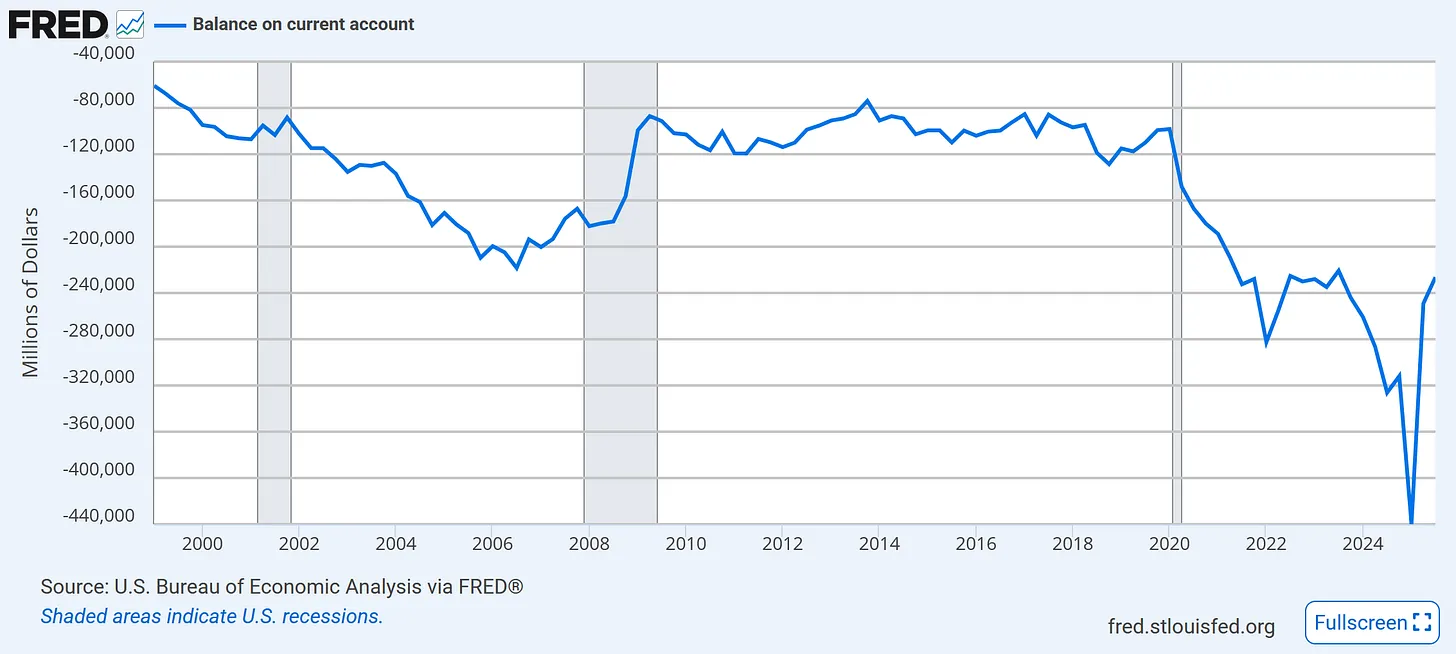
This privileged position allows the US to keep borrowing costs low because foreign investors often reinvest dollars earned from imports into US Treasury securities and bonds. This reduces yields and interest rates for public and private borrowing.
Foreign investors use excess dollars to inflate US stock market bubbles, benefiting wealthy shareholders. (About 90% of stocks owned by US investors are held by the top 10%).
The petrodollar system underpins the dollar's dominance. Since 1974, after an agreement with Saudi Arabia, most crude oil has been traded in dollars.
Shortly after Nixon detached the dollar from gold in 1971, the gold standard was replaced by an oil-based standard.
Most countries must import oil and need dollars for transactions. Because oil is vital, many other commodities are also priced in dollars.
This creates artificial demand that boosts the dollar, granting the US a special privilege.
Dedollarization
- The US has exploited its privilege by weaponizing the dollar system through illegal unilateral sanctions.
- The US has imposed sanctions on one-third of nations, including 60% of low-income countries.
- The weaponization of the global reserve currency prompts more countries to seek financial alternatives.
- Tehran has advocated de-dollarization in response to Washington’s illegal sanctions.
- China imports most of Iran’s oil exports, and as early as 2012, the BBC reported that Beijing has been paying in yuan.
- Iran joined BRICS in 2024 and pushed for a new global trade currency, but members like India and the UAE, more pro-Western, opposed this.
- Western sanctions have pushed Russia, a top three oil producer, to pursue dedollarization.
- As of 2023, about 20% of global oil trade used currencies other than the dollar, a notable shift from recent years, though 80% still involved dollars.
- Iran is challenging this system by using its influence over the Strait of Hormuz and the global oil trade to undermine the petrodollar.
Fears of a global economic crisis
- Western media warns that the US and Israel's conflict in West Asia could trigger a “global economic crisis."
- Oil is the most vital commodity, essential to all countries and nearly every aspect of the modern economy. Transportation vehicles like trucks, ships, and planes, which move food and goods, consume large amounts of oil.
- As crude oil prices rise, so do other product prices, fueling inflation.
The Persian Gulf region is also a major producer of fertilizers and the chemicals used in their production, so this US-Israeli war of aggression could trigger a worldwide food crisis.
All of this was preventable and unnecessary. Donald Trump justified his decision to start the conflict, claiming on Truth Social that the oil price surge is “a very small price to pay."
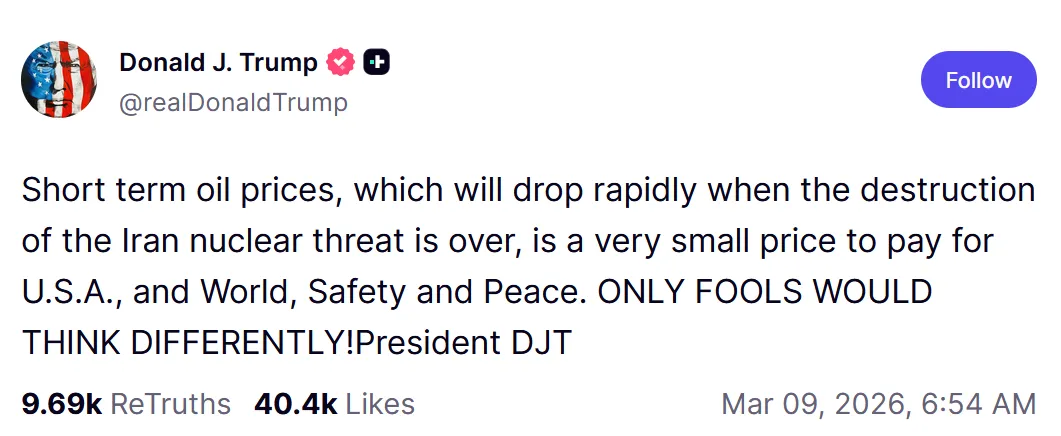
Rising gasoline prices and inflation before the November midterms likely hurt Trump and Republicans.
This explains why Trump is eager to find a way to forcibly open the Strait of Hormuz.
The New York Times reported on March 13 that Trump sent 2,500 additional Marines and three more warships to West Asia, on top of the over 50,000 US troops already in the region.
Trump threatened several countries, urging them to send warships to the Persian Gulf to open the strait. However, they declined discreetly, worried about escalation and greater involvement in the conflict.
Asymmetric economic warfare: Iran targets major US corporations in West Asia
US Treasury Secretary Scott Bessent said the Trump administration’s “maximum pressure" sanctions targeted Iran’s economy by cutting oil exports, restricting hard currency, and raising inflation, aiming to "collapse" it.
Bessent claimed responsibility for violent protests that destabilized Iran before the US-Israeli war.
Tehran has retaliated with asymmetric economic tactics, turning the US empire's strategies against it.
After attacks on US bases in West Asia and the Strait of Hormuz closure, Iran's military announced plans to target major US companies there.
Drop Site News reported that Iran’s IRGC issued a warning, including the addresses of these corporate offices.
The IRGC issued a warning to the American regime, urging it to evacuate all American industries in the region.
ALEX KRAINER: IRAN WAR GOES GLOBAL - ECONOMIC, ENERGY & FOOD CRISIS
Alex Krainer, born in Croatia and now based in France, is a market analyst, author, and former hedge fund manager. He discusses the unpredictable shockwaves in energy, food, and the economy caused by the war in Iran.

Watch the Video Here (53 minutes, 43 seconds)
Host Prof. Glenn Diesen
Substack.com
16 March 2026
Global Economic and Political Impacts of the Iran War – Analysis with Alex Craner
Prof. Glenn Diesen interviews Alex Craner, a market analyst and former hedge fund manager, about how a war with Iran could affect energy, agriculture, and household costs. The Unfolding War in Iran
Question: With the war in Iran escalating and no clear off-ramp, what are the likely global economic effects—especially on energy and food?Disruption in Energy and Agriculture
Alex Craner: Energy shocks don’t stay in energy. Oil and gas disruptions quickly spill into fertilizer, transport, and food inputs. With Gulf supply and LNG shipping at risk, constraints may show up with a lag—but the system is already fragile after years of policy and pandemic-era strain on agriculture. Declining Food Quality and Availability
Uncertainty and Impact on Global Markets
Big commodity shifts often unfold over months. If oil resets materially higher, downstream effects would spread across transport, manufacturing, and food.
Socioeconomic Consequences and Adaptation
Food systems have also lost redundancy as small farms shrank and production consolidated. That reduces backup capacity when large producers stumble, and rebuilding local capacity takes time, skills, and fewer bureaucratic hurdles. Political Responses and Societal Adaptation
Key Takeaways
- Energy disruptions can tighten fertilizer, transport, and food inputs.
- Supply constraints may appear with a lag, then commodities may reprice quickly.
- Reduced agricultural redundancy makes shocks harder to absorb; households may need modest preparedness.
BRIAN BERLETIC: IRAN WAR - A GATEWAY TO WAR WITH CHINA & RUSSIA
Brian Berletic, a former US Marine, author, international relations expert, and host of New Atlas, explains how the US war against Iran might escalate into conflicts with China and Russia.

Watch the Video Here (61 minutes, 19 seconds)
Host Prof. Glenn Diesen
Substack.com
19 March 2026
Discussion with Brian Berletic on U.S. Strategy, Iran, and Multipolarity
Prof. Diesen argues a hoped-for U.S. retrenchment in a multipolar world has not occurred; instead, U.S. involvement in Ukraine and escalation in the Middle East persist or intensify.
Berletic attributes policy continuity across administrations to structural U.S. incentives (elite/corporate influence) rather than presidential preference.
- Iran, Russia, and China are framed as linked theaters in a Eurasia-centered contest; pressure on Iran is portrayed as part of a broader strategy that affects Russia/China.
- Diplomacy is characterized as narrative and escalation management (pretext, blame-shifting) more than genuine conflict resolution.
- Energy and industrial capacity are the primary levers and constraints discussed: strikes on energy systems/shipping vs. finite interceptor/munition stocks and supply-chain limits
GILBERT DOCTOROW: HOW TRUMP’S WAR AFFECTS RUSSIA AND CHINA
- Judge Napolitano highlights insights from Prof. Gilbert Doctorow on Iran's stance against a ceasefire, advocating for a lasting resolution and damages.
- He discusses potential military alliances among North Korea, China, and Russia, concerns about US diplomacy, and strategies on Taiwan.
- These developments suggest a shift toward assertive foreign policies and diminishing norms.

Watch the Video Here (24 minutes, 53 seconds)
Host: Judge Andrew Napolitano
Judging Freedom
18 March 2026
In this excerpt, Judge Andrew Napolitano speaks with Gilbert Doctorow about reports of a possible trilateral military defence alliance between China, Russia, and North Korea.
Doctorow links that dynamic to the shock felt in Moscow after the U.S. war against Iran and to the perception that “rules” no longer apply.
He also presents a bleak view of Iran’s position (as reflected in Russian TV analyses) and describes European divisions over how to deal with Trump and the war, including broad resistance to taking part in operations around the Strait of Hormuz.
Key points:
Possible China–Russia–North Korea alliance: Doctorow says discussions of a defence alliance are taking place behind closed doors; he suggests the idea is partly driven by the geopolitical “shockwaves” following the U.S. war against Iran.
Why North Korea matters: Doctorow points to North Korean capabilities in artillery and short-/medium-range missiles, and characterises North Korea as comparatively “ready to act.”
Chinese military purge and Taiwan strategy: Russian parliamentarians reportedly heard in Beijing that Xi removed top generals because they were too “activist” on Taiwan; Xi would prefer to avoid an invasion and instead rely on an air and naval blockade.
Pressure on the Kremlin and shifting norms: Doctorow says impatience is growing in Moscow: why remain “civilised” and pretend rules still apply if the U.S. no longer abides by them.
Russian TV on Iran (bleak): Analysts reportedly stress that Israel/the U.S. achieved air dominance from the outset and that targeted killings of senior figures indicate a plan to peel back the regime layer by layer—destabilising it toward (longer-term) regime change.
Iran’s internal vulnerability: The assassination of a well-hidden top figure is framed as evidence of infiltration (Mossad agents in the entourage) and internal divisions.
How Moscow/Beijing view Trump: Doctorow argues a “handshake” is no longer worth anything; Russia may merely “humour” him with no expectation of a real deal. China would keep its distance without formally closing the door.
Europe and Hormuz: Doctorow describes European resistance to U.S. pressure to participate around the Strait of Hormuz; Russia, he says, watches Western divisions with “dark humour.”
Notable militarisation in Europe: He offers an anecdote that young people around him find uniforms/the army appealing—something he calls shocking given Europe’s historical losses.
Iran on “ceasefire” vs ending the war: Clips of Iran’s foreign minister: no ceasefire that could lead to repetition; willingness to consider a plan that ends the war permanently and compensates Iran for damages.
BUILDING THE BRIDGE! | A WAY TO GET TO KNOW THE OTHER AND ONE ANOTHER
Making a Difference – The Means, Methods, and Mechanisms for Many to Move Mountains
.jpg)
Photo Credit: Abraham A. van Kempen, our home away from home on the Dead Sea
By Abraham A. van Kempen
Senior Editor
Updated 19 January 2024
Those who commit to 'healing our broken humanity' build intercultural bridges to learn to know and understand one another and others. Readers who thumb through the Building the Bridge (BTB) pages are not mindless sheep following other mindless sheep. They THINK. They want to be at the forefront of making a difference. They're seeking the bigger picture to expand their horizons. They don't need BTB or anyone else to confirm their biases.
Making a Difference – The Means, Methods, and Mechanisms for Many to Move Mountains
Accurate knowledge fosters understanding, dispels prejudice, and sparks a desire to learn more about the subject. Words have an extraordinary power to bring people together, divide them, forge bonds of friendship, or provoke hostility. Modern technology offers unprecedented possibilities for good, fostering harmony and reconciliation. Yet, its misuse can cause untold harm, leading to misunderstandings, prejudices, and conflicts.
A Free Trial for Life – SUBSCRIBE NOW!

• It's quick and straightforward.
• We won’t ask for your credit card number.
• Just enter your e-mail address to receive your complimentary free-for-life subscription to our newsletter.
• Please include your First and Last Name.
• We won’t share or sell your e-mail address.
_________________________
Related Articles Recently Posted on www.buildingthebridgefoundation.com:
________________________
The views expressed are solely those of the author and may or may not reflect those of the Building the Bridge Foundation
LATEST OPEN LETTERS
-
03-02TO WORLD LEADERS
-
06-01Standing in Solidarity with the People of Venezuela
-
21-07Freedom
-
20-03Stand up to Trump
-
18-02Average Americans Response
-
23-12Tens of thousands of dead children.......this must stop
-
05-06A Call to Action: Uniting for a Lasting Peace in the Holy Land
-
28-05Concerned world citizen
-
13-02World Peace
-
05-12My scream to the world
VIRTUAL POST OFFICE
PETITIONS
LINKS
DONATION
Latest Blog Articles
-
15-10Our Friday News Analysis | What the World THINKS Now!
-
14-10Our Wednesday News Analysis | Navi Pillay, head of UN commission that accused Israel of genocide, wins Nobel Peace Prize
-
13-10Navi Pillay, head of UN commission that accused Israel of genocide, wins Nobel Peace Prize
-
13-10No state has a ‘right’ to exist – least of all an apartheid, genocidal state like Israel
-
13-10‘By the Way, the World is Not Stopping Us’: The Secret of Israel’s ‘Success’
-
12-10Our Monday News Analysis | What the World THINKS Now!
-
08-10Our Friday News Analysis | What the World THINKS Now!
-
07-10Our Wednesday News Analysis | The West wants Netanyahu gone - so Palestinians can be killed more quietly again
-
06-10The West wants Netanyahu gone - so Palestinians can be killed more quietly again
-
06-10Israel turns Gaza into largest ghetto in modern history, killing residents one after another as three-year genocide continues
-
06-10Analysis Europe's Boycott of Israel Is Rapidly Expanding – and It Won't Be Easy to Stop
Latest Comments
 One of the most important and illuminating articles that I …
Comment by Benjamin Inbaraj-
And what's wrong here?
After all, there is the homeland …
Comment by Isac Boian -
Does this reinforce or deny my argument that Israel is …
Comment by Edward Campbell -
Many 'say' they support the Palestinian cause but do little …
Comment by Philip McFedries -
The UN is strangled by the "war for profit" cabal …
Comment by Philip McFedries -
I can't read the printing on the map.
Comment by Philip McFedries -
Good news!
Comment by Philip McFedries
COMMENTS
This article has 0 comments at this time. We invoke you to participate the discussion and leave your comment below. Share your opinion and let the world know.