 NEWSLETTER
Common Grounds
Editorial | A Regime Change is On the Rise
By Abraham A. van Kempen
4 March 2026
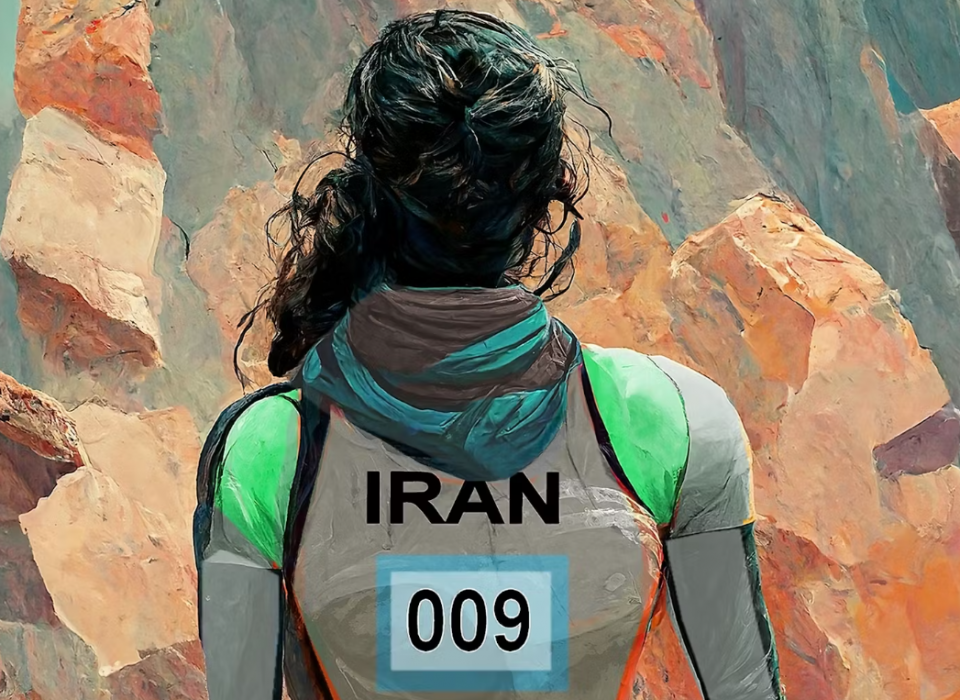
Iranians are among the most generous and honorable people, treating others with respect and dignity. Iran is one of my favorite countries because I love the people I meet and the food I eat. Iranians have an inherent trait of dissent; they're born dissenters who always seek better, not necessarily more, and they're blunt about it.
They aim to stabilize the region by evicting the Collective West from the Middle East. The regime change is underway. The Collective West is crumbling from within.
We are at 24 seconds to midnight. It can only get better.
Have a good day,
Abraham A. van Kempen
Sr. Editor
DOUGLAS MACGREGOR: A NEW WORLD EMERGES: IRAN WILL WIN & ISRAEL MAY NOT SURVIVE
Douglas Macgregor, a retired Colonel, combat veteran, and former senior advisor to the U.S. Secretary of Defense, suggests that a new world order is forming with a new Middle East—where Iran is likely to prevail, and Israel might not make it.
From Iran’s perspective: Operation Yankee Go Home!

Watch the Video Here (43 minutes, 12 seconds)
Host Prof. Glenn Diesen
Substack.com
2 March 2026
The Escalation and Regional Consequences of the War Against Iran – An Analysis with Colonel Douglas MacGregor, PhD
Welcome back! Today, we host Colonel Douglas MacGregor, a combat veteran, author, and former U.S. Defense advisor. As the third day of the Iran conflict ends, it's clear the expected quick victory hasn't happened. The conflict has become a more complex regional issue.
Assessing the War and Its Developments
The conflict quickly expanded, with Iranian forces attacking 27 military bases and ports across the Middle East, from Nkirlik Air Base to Dubai. This broad reach has caused unpredictable consequences, affecting global oil markets—European prices up 20% due to fears of disruption. Analysts expect prices might soon exceed $100 per barrel, though the exact point is uncertain.
Drones have become so affordable that they can bypass sophisticated defenses, causing airport closures in the UAE and disrupting businesses. About 4.6 million Indians are stranded, affecting Europeans, Americans, and expatriates. These events highlight the growing influence of drone technology and the need for vigilance.
Wider Regional and Global Impact
Damage to oil infrastructure, mainly in Saudi Arabia, reveals its effects. The war’s impact goes beyond the region, affecting India, Northeast Asia, Turkey, and Europe. What started as an Israel-Iran conflict has gained global prominence, beginning with an Israeli attack and prompting U.S. involvement.
Missile strikes hit ships and shot down aircraft, including three F-15 fighters—some blame friendly fire, others dispute this. American casualties are uncertain and likely undercounted. The situation indicates a prolonged campaign rather than a quick fix.
Political Rhetoric and Strategic Realities
U.S. leadership stresses the need to pressure Iran, but MacGregor warns this may be unrealistic. He says if the goal is fighting radical Islam, the focus should be on Pakistan and Syria, not Iran. He suggests Israel’s strategic interest in removing Iran as a regional obstacle might be the true motive.
The U.S. and allies face growing logistical challenges as missile supplies dwindle and resupply routes are disrupted. What was expected to be a quick conflict has become a prolonged war.
Civilian and Economic Impact
The conflict now impacts ports, refineries, airports, hotels, and civilian infrastructure, showing Iran’s aim to cause widespread disruption and economic issues, especially targeting countries like the Emirates and Saudi Arabia, which it distrusts. Europe's role remains unclear, with some military bases attacked and few reports of further involvement. MacGregor emphasizes Iran's distinct civilizational identity, setting it apart from other Muslim-majority nations.
Geopolitical Shifts and Future Outlook
The international landscape is shifting, with China and Russia possibly intervening if the conflict worsens, especially if Israel uses nuclear weapons. This could impact the global economy, for example, by India increasing oil imports from Russia and the U.S. dollar declining. MacGregor warns these effects could be lasting and weaken America's credibility and influence.
Iran's technological progress challenges the effectiveness of American and Israeli missile defenses, casting doubt on their ability to intercept hypersonic missiles and sustain military operations. Meanwhile, Western media often highlight military successes that may not reflect the full reality.
Military Exhaustion and Strategic Limitations
As the conflict continues, concerns rise over the US and Israel's ability to maintain efforts. Damage to ports and supply routes forces them to seek alternatives, such as India and Italy. Also, producing missiles fast enough to match Iran's becomes harder, especially with supplies needed for Ukraine.
Iran's widespread military assets complicate disruption efforts, but mediation remains feasible. India could act as a neutral mediator due to its ties with Iran. Despite setbacks, Iran's unity and command structures remain strong and resilient.
Negotiation and War Objectives
Iran has dismissed negotiations, demanding U.S. forces leave. The conflict's ties to Israel, viewed as a pariah state, have increased tensions. Concerns extend beyond the Middle East, with American troops losing popularity in Iraq, Gulf nations, and Korea.
The conflict exposes weaknesses in the U.S. military's strength, prompting allies such as Japan and Korea to reconsider their involvement. History shows perceptions of power can decline under war pressures.
The Changing Global Order
The war ends an era of American influence, paving the way for new norms set by indigenous nations across Asia, Europe, and the Middle East rather than by Washington. While stability is now the goal, recent events have challenged global economic and political stability.
Decisions before the conflict, especially about Iraq, have strained U.S. relations with Russia, China, and Middle Eastern nations. These developments have had significant consequences; for example, India has seen notable economic impacts from rising oil prices.
Strategic Missteps and the Absence of Coherent Policy
The U.S. lacks a clear strategy, focusing resources on conflicts in Venezuela and the Middle East without clear goals, which heightens tensions, especially over Israel’s expansion.
The survival of Israel is now in question, with mobilization efforts and talk of expanding the conflict into Lebanon raising doubts about the country’s future. In contrast, Iran’s historical resilience suggests it will endure.
Possible Escalation and Global Involvement
The risk of escalation remains high, especially if nuclear weapons are used, potentially drawing Russia and China into the conflict and altering the conflict's course. Western powers face declining war reserves, limiting long-term engagement. These factors make the situation delicate and unpredictable.
Iran's refusal to negotiate shows its firm goal of removing U.S. forces. It highlights Israeli influence on U.S. policy, reducing the likelihood of quick changes in Washington’s position.
Conclusion
This conflict signals a major change, with American influence in the Middle East waning. Economic instability and shifting alliances show resilient regional powers like Iran and China, hinting at a new global order beyond America. The impact of strategic errors and uncertain policies will linger, emphasizing the need for careful leadership.
LATEST OPEN LETTERS
-
03-02TO WORLD LEADERS
-
06-01Standing in Solidarity with the People of Venezuela
-
21-07Freedom
-
20-03Stand up to Trump
-
18-02Average Americans Response
-
23-12Tens of thousands of dead children.......this must stop
-
05-06A Call to Action: Uniting for a Lasting Peace in the Holy Land
-
28-05Concerned world citizen
-
13-02World Peace
-
05-12My scream to the world
VIRTUAL POST OFFICE
PETITIONS
LINKS
DONATION
Latest Blog Articles
-
15-10Our Friday News Analysis | What the World THINKS Now!
-
14-10Our Wednesday News Analysis | Navi Pillay, head of UN commission that accused Israel of genocide, wins Nobel Peace Prize
-
13-10Navi Pillay, head of UN commission that accused Israel of genocide, wins Nobel Peace Prize
-
13-10No state has a ‘right’ to exist – least of all an apartheid, genocidal state like Israel
-
13-10‘By the Way, the World is Not Stopping Us’: The Secret of Israel’s ‘Success’
-
12-10Our Monday News Analysis | What the World THINKS Now!
-
08-10Our Friday News Analysis | What the World THINKS Now!
-
07-10Our Wednesday News Analysis | The West wants Netanyahu gone - so Palestinians can be killed more quietly again
-
06-10The West wants Netanyahu gone - so Palestinians can be killed more quietly again
-
06-10Israel turns Gaza into largest ghetto in modern history, killing residents one after another as three-year genocide continues
-
06-10Analysis Europe's Boycott of Israel Is Rapidly Expanding – and It Won't Be Easy to Stop
Latest Comments
 One of the most important and illuminating articles that I …
Comment by Benjamin Inbaraj-
And what's wrong here?
After all, there is the homeland …
Comment by Isac Boian -
Does this reinforce or deny my argument that Israel is …
Comment by Edward Campbell -
Many 'say' they support the Palestinian cause but do little …
Comment by Philip McFedries -
The UN is strangled by the "war for profit" cabal …
Comment by Philip McFedries -
I can't read the printing on the map.
Comment by Philip McFedries -
Good news!
Comment by Philip McFedries
COMMENTS
This article has 0 comments at this time. We invoke you to participate the discussion and leave your comment below. Share your opinion and let the world know.