 NEWSLETTER
The Monday Edition
The Evangelical Pope | A Heartfelt Plea from Our Children
Living Words from John Paul II
Edited by Abraham A. van Kempen
Published March 30, 2026
Each week we let Saint Pope John Paul II share meaningful signposts to spark socio-economic resolves through justice and righteousness combined with mercy and compassion; in short, love.
5 And whoever welcomes one such child in my name welcomes me.
__ Matthew 18:5 (New International Version)
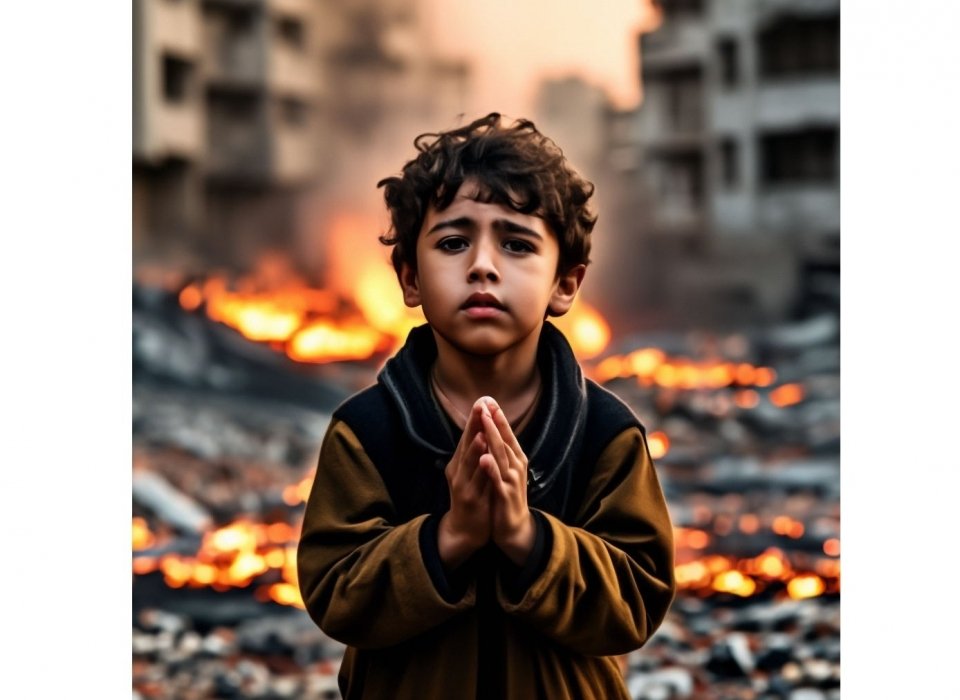
The Vatican – 28 March 2004 | In my Lenten Message this year, I emphasized the importance of focusing on children.
In some poor nations, children and teenagers often face heartbreaking violence: they are recruited into the "forgotten wars."
They face a double burden: enduring war and leadership amid hostility. With resources stripped, they see their future as a terrifying, unavoidable nightmare.
Our youngest brothers and sisters, who are suffering from hunger, war, and disease, are earnestly reaching out to the adult world with a heartfelt plea. Let's listen to their cry and show our compassion! Jesus reminds us: "Whoever receives one such child in my name receives me" (Mt 18:5).
During Lent, Christians are encouraged to embrace the words of the Gospel more openly and to act bravely in helping at-risk and abandoned children.
Excerpted from:
JOHN PAUL II, ANGELUS, Fifth Sunday of Lent, 28 March 2004
https://www.vatican.va/content/john-paul-ii/en/angelus/2004/documents/hf_jp-ii_ang_20040328.html
Editorial | Governing Three Birds with One Stone
By Abraham A. van Kempen
30 March 2026
I'll keep it brief. Trusted sources indicate that Iran has the capability for nuclear deterrence if necessary.
The war against Iran is part of a greater war. It’s about the EU-US/NATO + Israel + Ukraine + the self-anointed ‘Coalition of the Willing’ against the world, specifically taking place in three regions: the Middle of West Asia, the Middle of Eastern Europe, and the Middle of East Asia. They’re known as the ‘Collective West.’ I refer to them as the Death Star. Don’t worry! It’s fading away before our eyes.
I’ll fill you in on Friday. The Death Star’s war against Iran will stop the war against Russia and the impending war against the countries in East Asia.
Enjoy your week.
EXTRA, EXTRA | THEODORE POSTOL: IRAN ALREADY HAS NUCLEAR DETERRENT TO ISRAELI NUCLEAR STRIKE
MIT Professor and Pentagon advisor Ted Postol explains the extent to which the quantity and quality of Iranian missiles and drones were underestimated, and the consequences of this miscalculation.

Watch the Video Here (52 minutes, 54 seconds)
Host Prof. Glenn Diesen
Substack.com
11 March 2026
Prof. Glenn Diesen: Welcome back. Today, we're joined by Theodor Postol, a professor at MIT specializing in nuclear weapons, missiles, and missile defense, who has advised the Pentagon. Thanks for returning.
We discussed this after the U.S. and Israel's surprise attack on Iran in June 2025. You said Iran likely has enough nuclear material for at least 10 weapons and has hit the nuclear threshold. Not pursuing a nuclear deterrent seems unwise, especially since the U.S. and Israel will return.
Prof. Theodor Postol: They don't need to develop a nuclear deterrent; they already have these materials. I'll clarify what they possess, how they could use them, and what their retaliation might look like if they responded after an attack by Israel—particularly following a nuclear strike on Tehran.
Considering Israel and Iran's behaviors, I suspect Israel is more likely to use nuclear weapons first, if at all. They're more reckless and aggressive than Iran. However, an Israeli nuclear strike on Iran could provoke retaliation, which Iran might carry out even if it hasn't developed nuclear weapons yet, as the window between decision and production is brief.
Remember the tunnels scattered everywhere, which could contain equipment for a nuclear weapon. They might not have finished, possibly following the Ayatollah's order not to develop nuclear arms, but still possess the necessary gear. The edict also states that if Iran is attacked and its survival is threatened, deploying nuclear weapons would be justified. They are capable of doing so if they have the equipment, which I believe they do.
Enriched uranium and conversion to weapon material (as described)
Prof. Theodor Postol: I believe Iranians can develop nuclear weapons because they have 60% enriched uranium hexafluoride (UF6) stored in durable, compact canisters with several dozen kilograms. Converting UF6 into uranium metal is a key step toward weaponization.
He claims Iran’s 408 kg of 60% UF6, after enrichment and conversion, could support about 10–11 simple fission weapons.
UF6 is used because it can be fed into gas centrifuges. When heated, it becomes a gas and is processed through centrifuge cascades. Over weeks, a cascade can enrich UF6 from 60% to about 90%, weapons-grade. This process produces chemical UF6, which must then be converted into metal.
He describes a small-scale conversion: reacting UF6 with hot hydrogen fluoride to produce UF4, separating the solid, then reducing it with calcium or lithium at high temperature to make uranium metal ingots. This could be done in tunnels covering a few hundred square meters, followed by part machining.
He explains a simple uranium “gun-type” design that wouldn't require testing before use, citing the U.S. Hiroshima weapon as an example of an untested uranium design.
He claims the timeline could be just weeks or less with multiple cascades, and argues external oversight of centrifuge manufacturing declined after the U.S. exited the nuclear deal and was not quickly restored.
Retaliation scenario and effects (as described)
Prof. Theodor Postol: Drawing from his U.S. nuclear review experience, he suggests an Iranian retaliation could target Israeli population centers, following the typical nuclear attack pattern.
He emphasizes that, besides blast effects, thermal radiation and fires could cause widespread urban fires. He details a fireball forming quickly, shockwaves spreading, structures igniting, and firestorms driven by hot air and strong inward winds.
He notes that prompt neutron and gamma radiation can be lethal at close range for lower-yield devices, with repeated exposures potentially becoming deadly. He also mentions “radioactive rain” (rainout) downwind based on weather, and suggests an attacker might time strikes with wind to carry contamination inland.
He argues that during large urban fires, winds can reach hurricane speeds, making shelters uninhabitable because of high temperatures. He compares these conditions to WWII firebombings like Hamburg and Dresden, noting severe heat, swift winds, and street-level hazards.
His main point is that if Israel launched a nuclear attack on Iran, it would likely trigger a quick nuclear retaliation with massive casualties, so it should be avoided.
Prof. Glenn Diesen: Yeah, it's quite a grim possibility, but it is also scary that we're actually heading in that direction.
Prof. Theodor Postol emphasizes that people require a clear comprehension of the actual consequences instead of just abstract casualty numbers. He argues that by making these effects more tangible, it could lower the risk of catastrophe.
He concludes that the situation is serious and recommends Israel and the U.S. take a “live and let live” approach toward Iran. He emphasizes respecting Iran’s right to exist and restoring credibility through diplomacy. Additionally, he notes that U.S. public support for Israel is waning, including among many American Jews, and cautions Israeli leaders not to assume ongoing external backing.
LAWRENCE WILKERSON: ISRAEL MAY CEASE TO EXIST & LAUNCH NUCLEAR STRIKE
Lawrence Wilkerson is a retired Colonel in the US Army and the former Chief of Staff to the US Secretary of State. Colonel Wilkerson discusses why the war against Iran could destroy Israel, and also the consequences if Iran develops a nuclear deterrent.
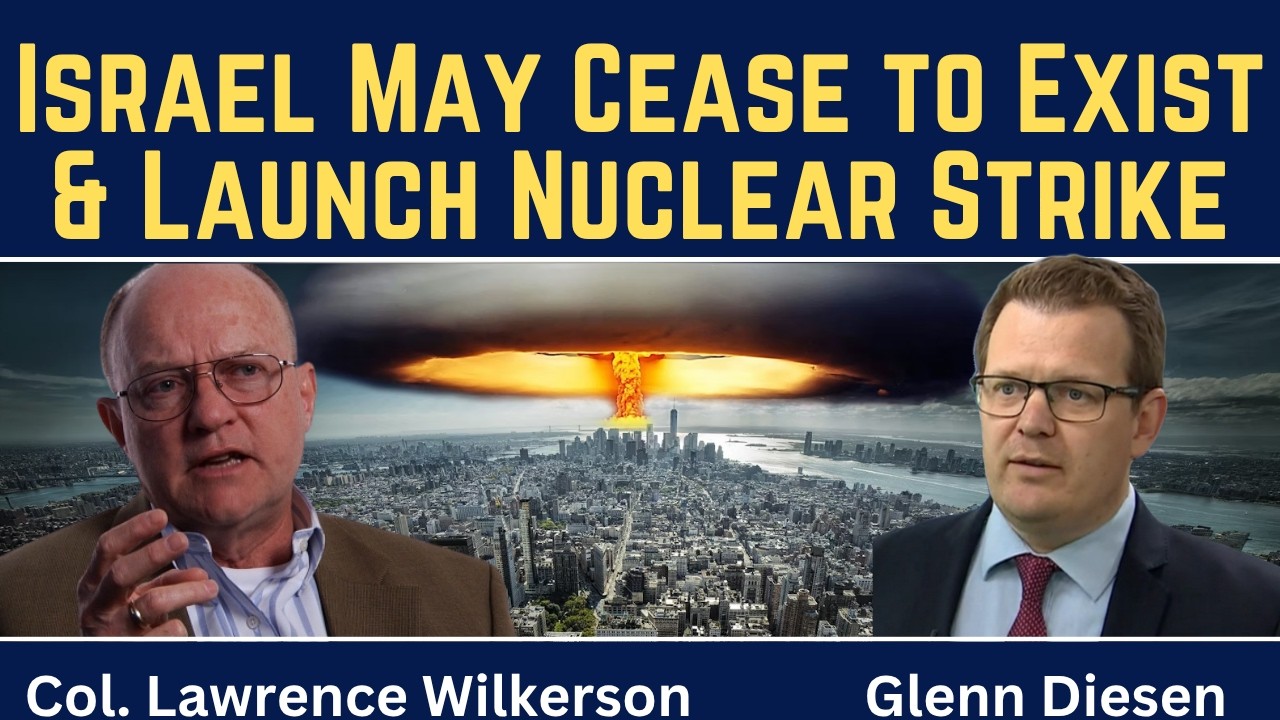
Watch the Video Here (49 minutes, 19 seconds)
Host Prof. Glenn Diesen
Substack.com
29 March 2026
- Trump’s shifting countdowns—from 48 hours to 5 days, then over 10 days—are seen as stalling tactics, essentially 'buying time to buy time,' rather than a clear strategy.
- The administration appears disorganized and ineffective; Trump cannot de-escalate, supported by a compliant cabinet.
- Netanyahu is portrayed as the main driver of escalation, showing little concern for U.S. political fallout and willing to undermine Trump if needed.
- The U.S. is repositioning forces worldwide—such as special operations, aviation, and Marine and airborne units—not for a full-scale invasion, which is deemed impossible, but for limited raids and seizures. The speaker argues this won't succeed against Iran.
- Claims indicate diplomacy isn't meaningful: the U.S. envoy isn't meeting directly with Iranian officials, instead using intermediaries.
- Iran’s UN messaging calls the conflict an illegal war, citing attacks on civilian infrastructure — schools, hospitals, ambulances, water and food supplies — as war crimes linked to Gaza/Palestine.
- Economic disruption is severe and immediate: closures at the Strait of Hormuz cause a buildup of ships and disrupt vital commodities like energy, urea, and helium, risking recession and pushing the global economy toward depression.
- Strategic chokepoints, seen as systemically vulnerable in globalization, imply controlling a few crucial straits could destabilize the world, backed by recent events.
- Israel faces intense pressure: manpower shortages, poor Lebanon results (like tank losses), weakened air defenses, and inability to defeat Hamas in Gaza. If ongoing, it could cease to be a Jewish state.
- Nuclear escalation risk shown: Israel is most likely to use nuclear weapons if cornered; the U.S. may do so under current leadership.
- Expert Ted Postol warns Iran may quickly develop nuclear weapons if it has enough enriched uranium and an underground facility, enabling rapid nuclear deterrent development.
- Another concern is that Saudi Arabia’s potential agreements with Pakistan could be significant if Iran advances toward nuclear capability.
- Iran has a broad regional target list that could severely damage Gulf states’ infrastructure if conflict escalates, risking regime collapse and regional stability.
- Russia and China may be collaborating to keep maritime transit open under Iran’s terms, like limiting transit for war-supporting states, indicating a risk of major-power conflict.
- A proposed off-ramp is to "declare victory and leave," involving ending support for Israel and lifting sanctions on Iran. It’s unlikely but the least catastrophic option.
- In the U.S., political instability may cause midterm losses and impeachment, driven by war costs and governance issues.
FROM TEHRAN | SEYED M. MARANDI: YEMEN JOINS THE WAR - RED SEA COULD BE BLOCKED NEXT
Seyed Mohammad Marandi discusses the ongoing escalation in the Iran War—and why Yemen's sudden entry could be a game-changer.
Marandi is a professor at Tehran University and a former advisor to Iran's Nuclear Negotiation Team. (Some of the video is lagging due to the ongoing bombing of Tehran.)

Watch the Video Here (43 minutes, 39 seconds)
Host Prof. Glenn Diesen
Substack.com
29 March 2026
- Yemen’s entry is shown as a major escalation, emphasizing its significant capability and “room for maneuver,” with the potential to expand its targeting beyond initial missile launches.
- Disruption of the Red Sea or strait is a key lever: Yemen can blockade the Red Sea, attack Saudi oil infrastructure, and interrupt imports—raising global economic risks.
- The "Escalation ladder” has more rungs: Iraq’s armed groups are active and may expand regionally into Gulf states.
- U. Iran views U.S./Israel cooperation as integral, seeing Israeli attacks as impossible without U.S. coordination, so “de-escalation” claims seem like pretense.
- Iran consistently responds with strikes, including threats to retaliate against similar institutions or assets.
- Ground operations are seemingly unsustainable: capturing territory or islands doesn't ensure control, and reopening shipping is unlikely if tankers and energy infrastructure are destroyed.
- Energy and supply-chain shocks are critical, with speakers warning that shortages of oil, LNG, petrochemicals, and fertilizer will quickly worsen, increasing pressure on Washington globally.
- The discussion indicates U.S. vulnerability is increasing; losing key assets like radar, early-warning systems, and refueling would be damaging and hinder operations.
- Iran has “escalation dominance," allowing it and its allies to raise costs faster than the U.S. can respond.
- Iran’s resilience narrative emphasizes social cohesion and a 'nation of martyrdom,' implying collapse via bombing is unlikely and leadership losses are replaceable.
- Any agreement should include regional allies like Hezbollah, Yemen, Iraq, and the Palestinians to prevent future conflicts, as the speaker emphasizes.
- It is claimed that negotiated off-ramps that avoid U.S. “humiliation” are possible: reparations could come from Gulf monarchies rather than the U.S., and Iran might argue that restrictions on U.S. basing and attack access are enforceable regardless of U.S. claims.
PROFESSOR JOHN J. MEARSHEIMER ON WHAT'S HAPPENING IN IRAN AND WHY
A Charlie Rose Global Conversation
John Mearsheimer: On March 26, 2026, I appeared on the Charlie Rose show. We discussed the Iran war, but also extensively talked about US foreign policy overall, particularly how it has changed since the Cold War's end. He was keen to explore why my opinions on many important foreign policy issues differ from those of the mainstream foreign policy establishment.

Watch the Video Here (72 minutes, 57 seconds)
Host Charlie Rose
Substack.com
27 March 2026
Professor John J. Mearsheimer of the University of Chicago has studied global power dynamics and America’s international role for over forty years. He often questions conventional ideas, sparking debate about great powers' ambitions.
He proposes nuclear weapons could boost stability between countries and highlights that international institutions have limited influence. He calls this 'offensive realism,” arguing power drives international relations and ignoring moral issues.
Mearsheimer authored articles and books, notably The Israel Lobby and U.S. Foreign Policy, sparking controversy.
Other books include: The Tragedy of Great Power Politics, The Great Delusion: Liberal Dreams and International Realities, Why Leaders Lie, Conventional Deterrence, Nuclear Deterrence, and Liddell Hart and the Weight of History.
This is a crucial moment to reflect on the exercise of power—militarily and economically—as conflicts persist in Iran and Ukraine, and sovereignty threats appear in other regions.
We will examine issues including the war in Iran, prospects for regime change, conflict resolution strategies by the U.S., Israel, and Iran. We will analyze U.S.-China, U.S.-Russia, Europe-Russia competition, and potential developments in Cuba and Latin America. We will also consider the evolving nature of warfare, with drones playing a larger role in Ukraine and Iran.
Professor John Mearsheimer joins us from the University of Chicago.
THE WAR ON IRAN IS TRANSFORMING THE GLOBAL ECONOMY: ECONOMIST MICHAEL HUDSON EXPLAINS HOW
The US-Israeli war on Iran is changing the geopolitical order and could cause an economic crisis. Economist Michael Hudson discusses the shock in the oil market and Tehran's challenge to US dominance
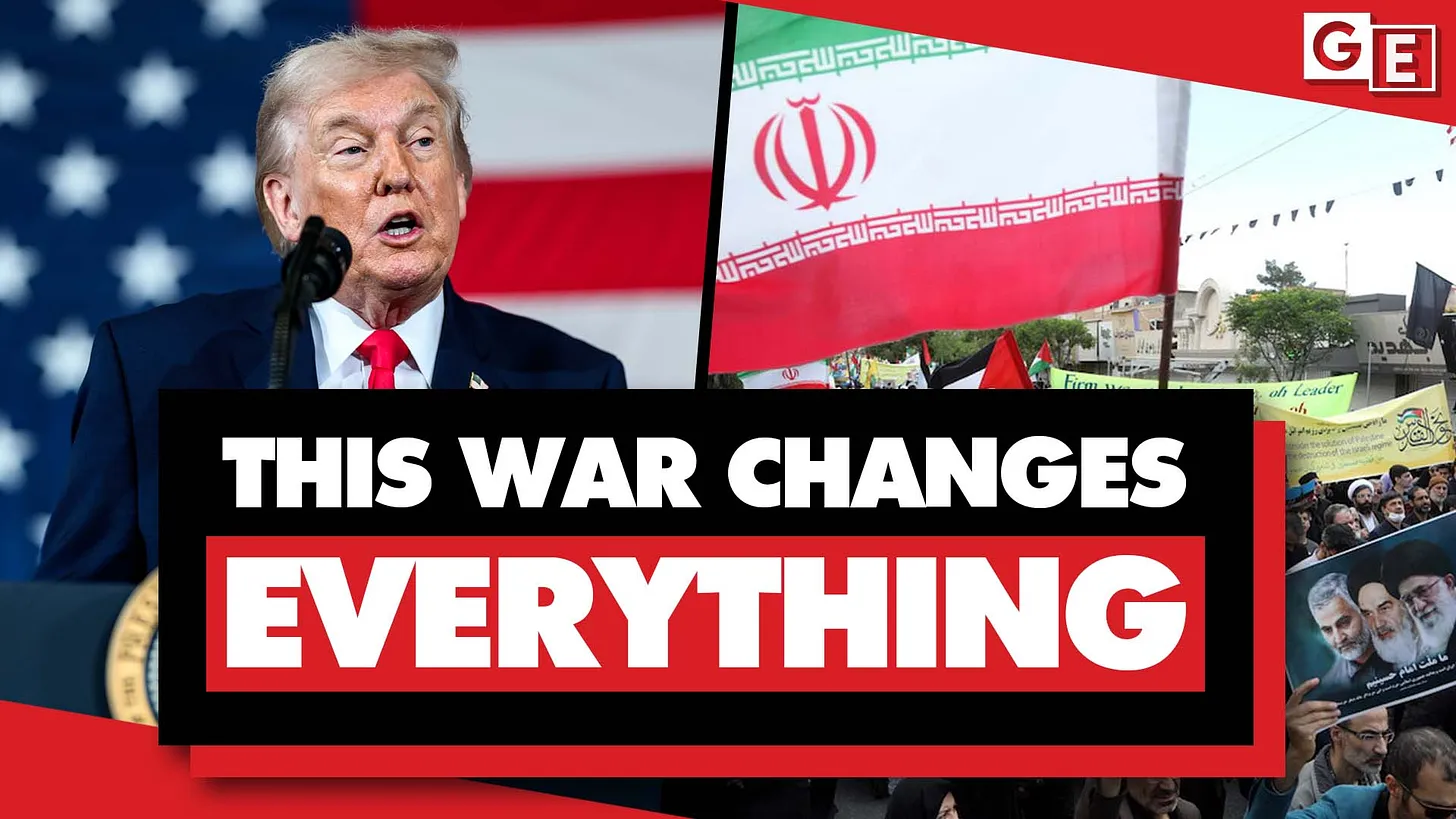
Watch the Video Here (39 minutes, 47 seconds)
Geopolitical Economy Report editor Ben Norton interviewed economist Michael Hudson about Iran's efforts to challenge US dollar dominance and weaken Washington’s control over the global oil market, a key US foreign-policy focus.
By Ben Norton
Geopolitical Economy
Substack.com
29 March 2026
US-Israeli actions against Iran reshape geopolitics and risk a global economic crisis. The conflict triggered the largest oil shock, destabilizing markets and raising fuel and food prices.
Transcript
BEN NORTON: The war that the United States and Israel launched against Iran is having a massive impact on the global economy.
Every country on Earth is being affected because this US-Israeli war has caused the largest oil shock in history, larger than the oil shocks of 1973 and 1979.
The impact is particularly strong in Asia, where most of its oil imports originate from the Persian Gulf.
The Philippines has declared a national emergency, and it is now rationing energy because it does not have enough oil due to the war.
Japan also imports much of its oil from the Middle East, or West Asia. And this is why Tokyo has carried out the largest ever release of oil from its reserves.
Moreover, the 32 member countries of the International Energy Agency (IEA) unanimously agreed to release 400 million barrels of oil from their emergency reserves.
However, this is only a short-term band-aid measure. It’s not a long-term solution.
This explains why the global oil price only dipped slightly after countries released reserves. Prices have since risen due to ongoing US-Israeli tensions with Iran disrupting the energy market.
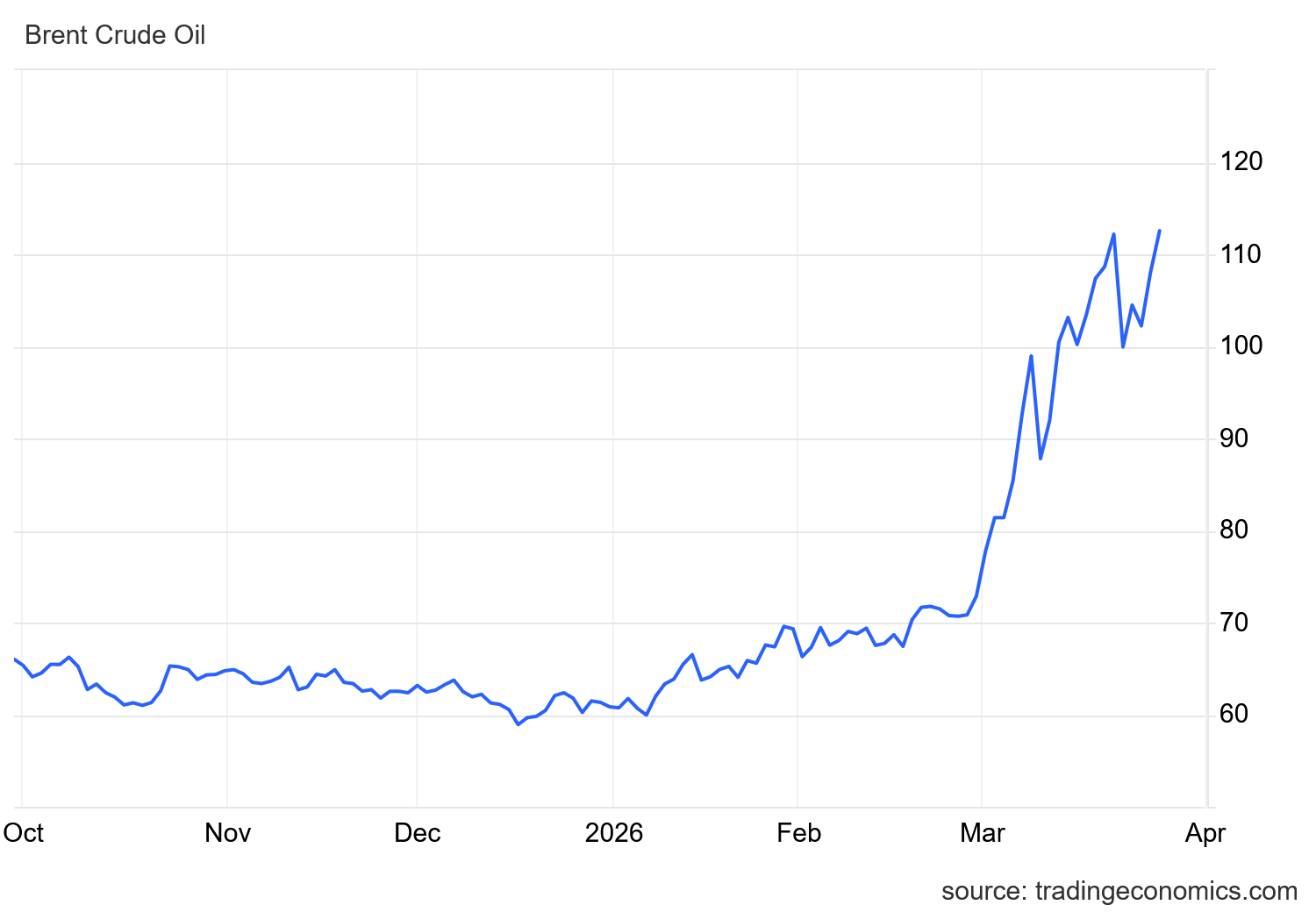
Since oil is the most vital commodity on Earth, used in countless products and throughout society for transporting food and goods, world leaders are now warning this could lead to a global recession.
The head of the International Energy Agency said it very clearly. He warned that the US-Israeli war on Iran has been a “major, major threat” to the global economy.
This war is causing not just gasoline prices to rise, but also food prices, because many fertilizers and the chemicals used in them come from the Persian Gulf region.
It likely leads to higher interest rates, raising mortgage and loan rates, hurting the poorest the most.
To understand how this war impacts the global economy, we're speaking with economist Michael Hudson, author of books like Super Imperialism: The Economic Strategy of American Empire.
Michael Hudson has been writing articles and giving interviews explaining how this war will reshape the world economically and geopolitically.
In particular, Michael has argued that this war has meant that “multipolar oil markets are now a reality”.
Iran challenges the US dollar's global dominance, especially the petrodollar system where most oil was priced and sold in dollars.
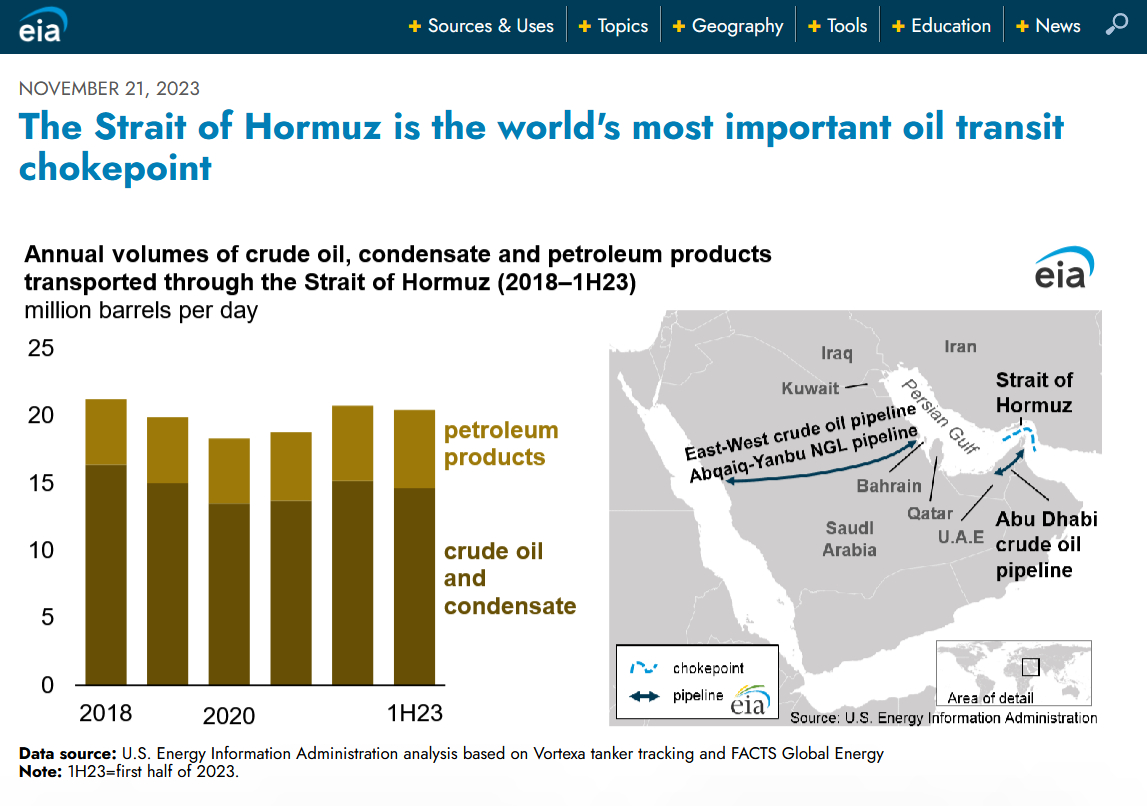
In response to the US-Israeli war of aggression, Tehran shut down the Strait of Hormuz, the world's most critical oil transit chokepoint.
About 20% of global oil trade flows through this narrow strait daily—until the US and Israel began their conflict.
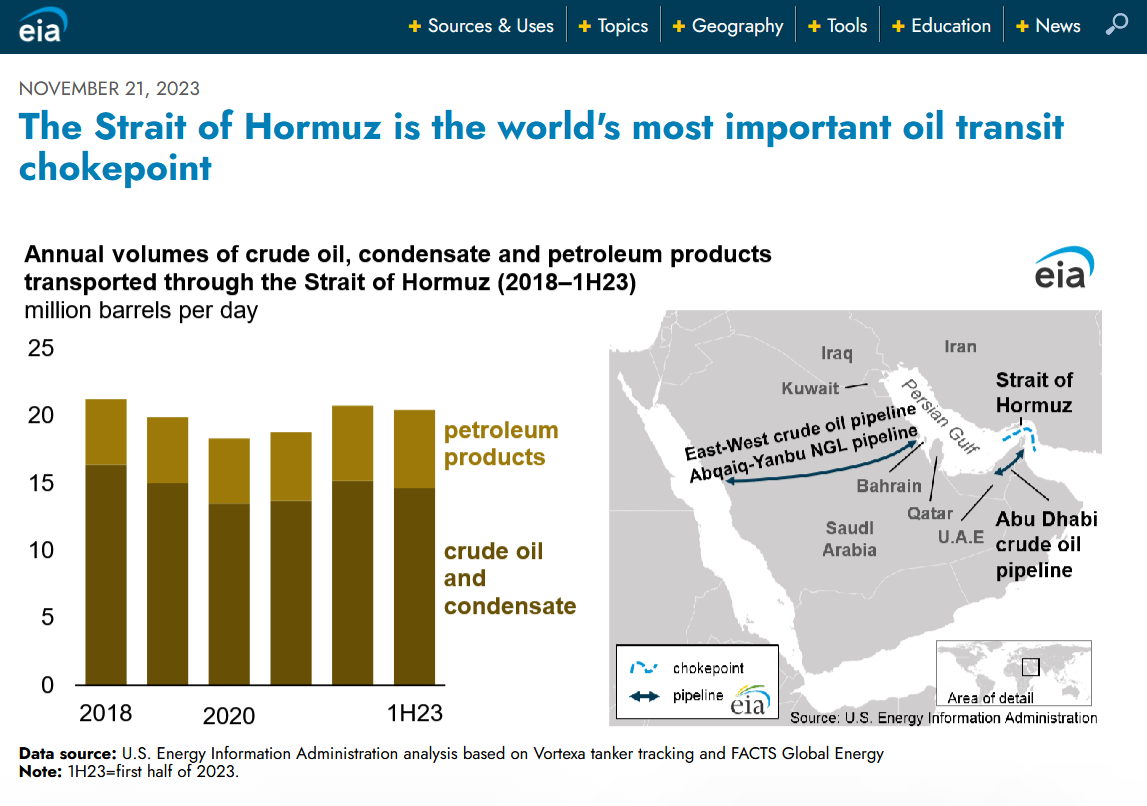
Iran now tells countries passing through the Strait of Hormuz to sell oil in yuan, not US dollars.
This is why some media outlets, such as the South China Morning Post, are now saying that this “Iran war could boost China’s ‘petroyuan’ and weaken US dollar dominance”.
Given the massive geopolitical and economic consequences of this war, I thought Michael Hudson would be the perfect guest.
We'll first share highlights of Michael's comments, then proceed directly to the interview.
MICHAEL HUDSON: Iran has declared a phase change, asserting it will now control the Strait of Hormuz in the Persian Gulf indefinitely and dominate the oil trade.
Iran now controls this strategic chokepoint, unlike the US, which used oil to enforce foreign policy. Iran can impose sanctions on the US, allies, Israel, Europeans, or other American allies.
This moves away from the US tactic of using oil for influence. The current concern is Iran's ability to access global oil revenues, which the US has relied on for foreign policy.
…
The American philosophy primarily involves bombing civilians and violating international law to demoralize the population.
And if you concentrate, as Trump did, along with Israel, a few weeks ago, you bomb the schools, you bomb the hospitals. That’s American policy in foreign countries.
It’s most visible in Israeli policy towards Gaza and the West Bank, and the same policy the U.S. has applied in Iran.
The idea was to demoralize Iranians, prompting them to overthrow the ayatollahs and declare, “We don’t want to be bombed; we want to save the children. Let’s make a deal and appoint a U.S.-favorable leader to end the bombing.”
Well, this was nonsense from the beginning, but it was the guiding spirit of American foreign policy: bomb a country, and that will lead to regime change and a collapse.
…
This Iran conflict concerns shaping the future of the global economy. Will it restore American control over oil and the vital chokepoint, or lead to economic independence from the US?
That’s what this war is all about.
...
BEN NORTON: Michael, it’s always a real pleasure; thanks for joining us today.
You have been discussing dollar dominance and the petrodollar system—topics that have been debated globally because of the war in Iran. You've been writing about these since the 1970s.
The US government has been planning a potential war on Iran for decades, so this is not recent.
Donald Trump is the first president willing to try it, but during George W. Bush's era after the Iraq invasion, there was talk of invading Iran.
Michael, please share your view on this war, its larger context, and potential global effects.
MICHAEL HUDSON: Well, you mentioned that it’s for the last few years or decades; it has actually gone back half a century.
By the mid-1970s, while working at the Hudson Institute on contracts with the Treasury, the White House, and the Defense Department, I attended meetings that emphasized that the U.S. would eventually need to control all Middle Eastern oil, including by conquering Iran.
In the 1970s, Herman Kahn suggested Balochistan, between Pakistan and Iran, was key to dividing Iran into ethnic regions, with plans for a separatist movement.
In the 1970s, I specialized in oil and the balance of payments, working for Chase Manhattan Bank. As a technician in my mid-20s at a low rank, I was the only one with access to the operational data of major US oil companies. This allowed me to analyze oil's role in the balance of payments and the dollar.
This occurred after the US abandoned the gold standard in 1971 during the Vietnam War.
The US has aimed to secure control of Middle Eastern oil, a key leverage in its foreign policy for the past century, as part of consolidating American dominance.
Its high profitability gives American oil companies significant influence over US policy. It also enables the US economy to exert control over other countries by restricting oil supplies, which can halt their electricity, chemical, and fertilizer production that relies on natural gas.
The oil industry includes the gas sector due to its close connection. The military revises long-term strategies annually to maintain dominance in the Near and Middle East, especially if OPEC countries seek greater independence and invest their oil revenues elsewhere rather than sending earnings to the US for bonds, deposits, or stocks. If these nations pursue sovereignty, the US considers intervention necessary, focusing on Iran's strategic importance for US control.
As previously discussed, in 2003, General Wesley Clark openly stated that the plan was to conquer seven countries within five years, ending with Iran.
All of this has been transparent. This isn't just Donald Trump’s fight; it's a conflict he chose as America has been losing its economic, military, and arms power—missiles, aircraft, bombs—after the war in Ukraine and support for Israel.
There is no better time for war than now. Although it's a bad time, it will worsen. The military and neocons behind them and the CIA are determined to persist.
They argue, "What do we stand to lose? If we don’t control Middle Eastern oil now, we'll miss key leverage in American foreign policy that's becoming more important."
Donald Trump believed he could defeat Iran in 2-4 weeks.
His hope was that, by his trip to China, he could tell China: “We’ve caused a regime change in Iran and installed an Iranian client oligarch, a dictator resembling Iran’s Boris Yeltsin, managing oil to serve U.S. interests.”
We can impose sanctions on China, like cutting off oil, but prefer not to. If you export raw materials like gallium and tungsten crucial for our military despite restrictions, we'll release the oil.
Trump aimed to deliver victory to China, but the plan failed. The military misjudged the situation, unable to conceive an alternative to challenging this plan.
Recall all American military interventions over the past 50 years, from Vietnam to recent conflicts in Iraq, Afghanistan, Syria, and Venezuela.
The United States and its allies, known as the Coalition of the Willing, usually fought individual countries. This is the first war since World War II where opposing countries are allied.
The conflict involves Iran, Russia, and China and is seen as a crucial battle for the U.S. to reaffirm global dominance by controlling oil, technology, food, grain, and other resources.
This is its final opportunity. A sense of desperation has pushed US planners to gamble everything.
I doubt it will succeed; generals advise against it. Pessimists are often pushed out, labeled as lacking faith or as Putin’s puppets. The usual retort is, ‘If you're pessimistic, support the effort? Are you siding with Putin? Just believe.’
America believed it could not lose any war because its strategy of bombarding other countries was always effective.
The American approach is primarily to bomb civilians, violating international law, which prohibits such actions. The goal is to dishearten the enemy by targeting civilians.
And if you focus, as Trump did with Israel a few weeks ago, you end up bombing schools and hospitals. That’s what American foreign policy looks like.
This is most evident in Israeli policy towards Gaza and now the West Bank as well. The same approach has also been used by the United States in Iran.
The idea was that this would demoralize the population, leading Iranians to want to overthrow the ayatollahs and declare, “We don’t want to be bombed anymore; we want to save the children. Let’s make a deal and appoint a leader favorable to the United States so the bombing will stop.”
This was always flawed, but it summed up the main idea behind American foreign policy: bomb a country, and it will cause regime change and its collapse.
That was what America expected in Russia.
Iran's core sentiment mirrors Patrick Henry's stance during America’s 1776 revolution against Britain. He declared, “Give me liberty or give me death!" and that is precisely what Iran is asserting.
For them, this is an existential issue because they are aware of the United States' plans, which the United States has openly shared.
Yes, they aim for regime change and divide Iran to control its oil, boost the US dollar, and pressure other countries by shutting industries, conflicting with UN sovereignty.
For the past fifty years, this has been the core principle of Western civilization and the foundation of the United Nations Charter. However, the United States is now rejecting this very principle.
And it has encouraged other countries to acknowledge that this truly is the final conflict.
This Iran conflict concerns the future of the global economy: whether it will restore American dominance in the oil trade and control over a key chokepoint or lead to independence from the U.S.
That’s what this war is all about.
BEN NORTON: Well said, Michael. You brought up many important points. It’s tough to know where to begin.
I want to comment that the US has been preparing for war in Iran for decades and has been waiting for the least worst moment.
I believe this is entirely correct, as two significant developments in the past two years contributed to the war in Iran.
The overthrow of the Syrian government began in 2011 and succeeded in 2024, marking a significant step toward war in Iran.
Israel also targeted and killed the Lebanese resistance leadership, believing this would essentially remove Lebanon from the equation.
By removing Lebanon and Syria—or believing they did—the US and Israel aimed to isolate Tehran from its allies, paving the way to attack Iran.
We observe resistance in Lebanon despite Israel's invasion and colonization efforts in the south.
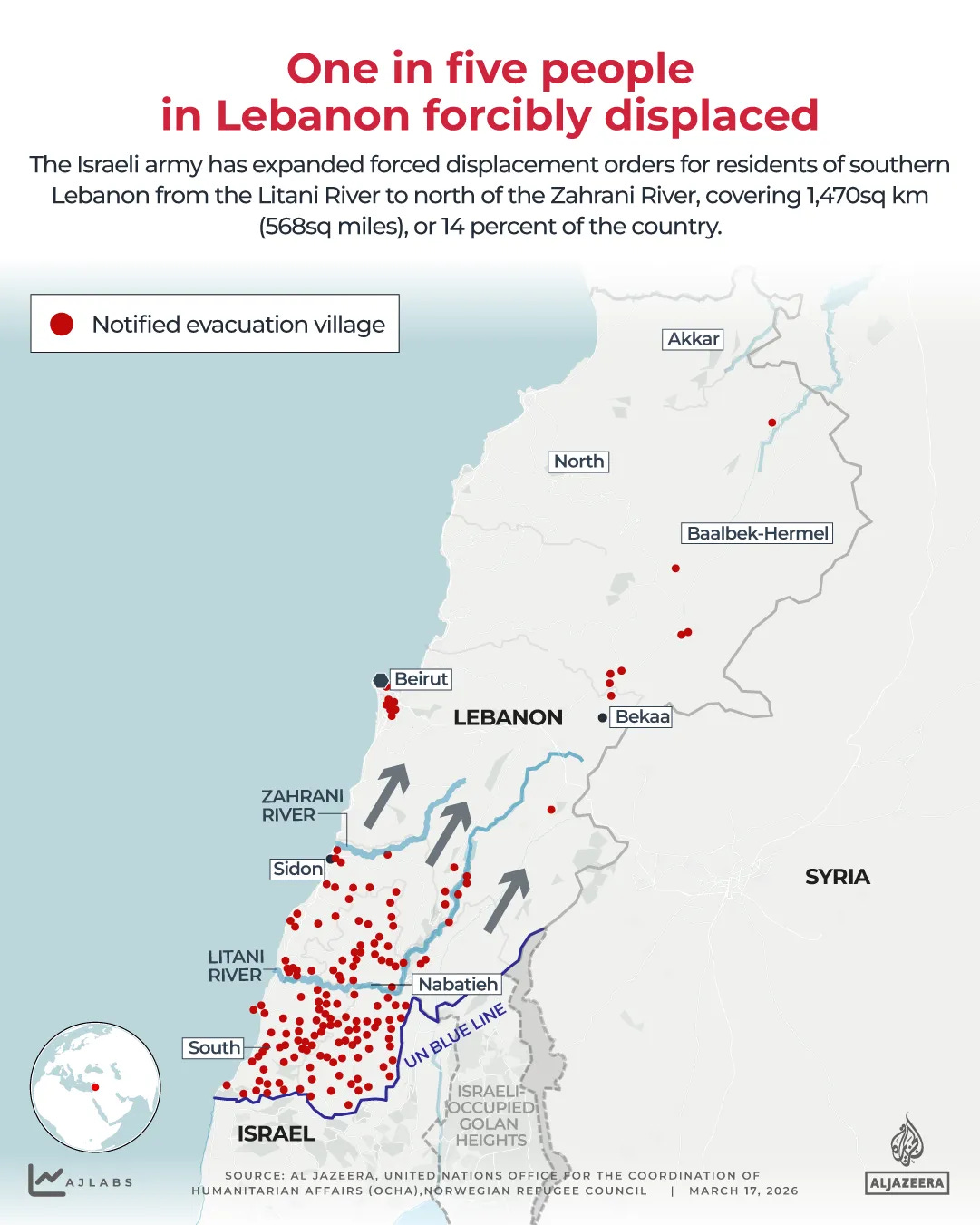
Anyway, I want to discuss this issue of the dollar system further. I believe understanding this is crucial to comprehending the war.
You discussed how the US aims to leverage control over the global oil market to support the dollar.
The petrodollar system began in 1974, when Nixon's administration, after abandoning the gold standard, struck a deal with Saudi Arabia, then the world’s top oil producer. This ensured oil was traded only in dollars, boosting global demand for the currency.
Iran explicitly recognizes the issue's importance for US hegemony, especially regarding the dollar system and petrodollar, as shown by its actions.
Iran has shut down the Strait of Hormuz and demands countries trading oil there use Chinese yuan.
Reports show Iran is attacking US military bases and major US firms, including financial institutions and Big Tech companies, which are building large AI data centers in the region like the UAE.
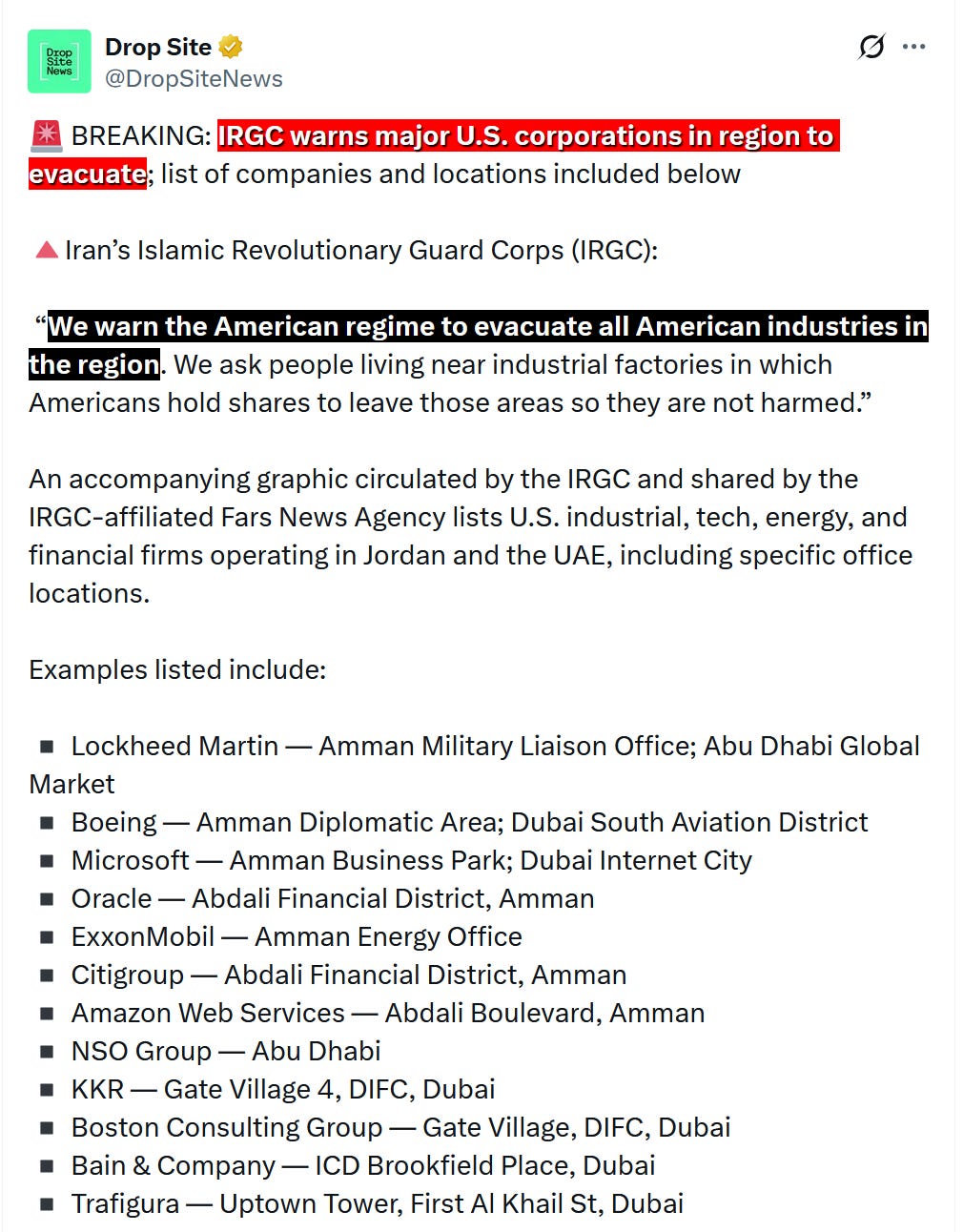
I believe Iran recognizes the importance of the economic aspect in this conflict. Would you like to discuss it further?
MICHAEL HUDSON: The United States’ plans for military control over the Middle East were not driven by its own fighting efforts, as the U.S. was exhausted after the Vietnam War — recall, this was in the mid-1970s.
The US has had two client armies fighting in the Middle East.
Israel acts as a client army. In the 1970s, Herman Kahn from the Hudson Institute helped broker a deal with Senator Henry “Scoop” Jackson, a pro-military U.S. figure, who agreed to Israel serving as America’s proxy.
BEN NORTON: Joe Biden, then a senator, famously expressed this sentiment. In a speech, he stated, “Israel is the best investment we make.”
JOE BIDEN: (In 1986) If Israel did not exist, the United States would need to create one to safeguard its regional interests. The US would essentially have to invent an Israel.
In 2022, I frequently remarked, Mr. President, that if this were not Israel, we would need to create one.
(In 2023) I have long said, if Israel didn’t exist, we’d have to invent it.
MICHAEL HUDSON: Yes, this was very open at that time.
Later, following 9/11 and President Carter's support for the [Mujahideen] in Afghanistan as an alternative to secular governance, Al-Qaeda emerged as a Wahhabi terrorist group.
And the Wahhabis are the second force that America has used.
You mentioned Syria, which has ISIS leaders and terrorists actively killing non-Sunnis, including Alawites and Christians — basically, head-choppers.
These are the two proxy forces of the United States: Israel and the Wahhabis.
What's caused this to become urgent now? For the past decade, Wahhabis have closely collaborated with Israel, the only non-Sunni group they haven't attacked, and they've worked together openly.
The Israeli military's actions are fueled by its Gaza attack, Lebanon's retaliation, resistance and civil war across the Middle East, and international criticism from the UN and ICC.
All of this has compelled [the US and Israel] to ask, 'Are we going to take control?”
Israel is currently trying to take control of Lebanon. If Iran manages to destabilize Israel's economic core, the Israelis may need to find a new location to relocate to.
This is the military setting for all of this, and it’s the financial setting.
I want to reiterate the point you mentioned earlier about the control of petrodollars.
It wasn’t only about pricing oil in dollars; all countries were valuing their exports, including copper, in dollars because it remained the primary currency.
Countries kept their reserves in gold and US dollars, which maintained their value even when the dollar declined, and continued trading in US dollars.
Well, the issue was, where were these dollars going to be invested?
Based on Kissinger's principles from the 1970s, the US military told Saudi Arabia and other OPEC countries they could set any oil prices but had to invest excess revenues in the US. They couldn't control major American companies; only the US could control foreign economies. They could buy bonds, finance American industries, purchase stocks, or deposit money in banks to earn returns.
These petrodollars represented the savings of OPEC countries, which they invested in banks.
Recycling OPEC surpluses is less crucial now than in the 1970s when petrodollars flowed into US banks, which lent to Global South countries for trade and balance of payments deficits.
This led to the collapse of Latin American foreign dollar debts and other liabilities. Later, it played a role in the 1998 Asian crisis, which I believe will serve as a pattern for what to anticipate for the remainder of this year.
Over the last 10 or 20 years, Saudi Arabia and other nations have used export earnings to grow their economies through unconventional methods, such as building luxury real estate in the desert and developing desalination plants for water.
However, they still possess substantial savings in bonds, stocks, and other financial assets in the United States.
OPEC countries, now barred from earning export income, declared, "We have debt-leveraged our economy. Despite wealth, our real estate and investments are financed through debt. We must sell US securities and gold to fund budgets and payments."
All of this is now causing a sell-off of dollars, reversing the entire petrodollar system—the inflow of OPEC oil revenues into dollars. As a result, dollars are now being drained.
So that is another threat.
Iran stated, “This marks a shift. We will now have permanent control over the Strait of Hormuz in the Persian Gulf, which is ours. We will oversee the oil trade.”
This shifts the dynamic from the US using oil as leverage to enforce foreign policy compliance to Iran now controlling this chokepoint. Iran can impose sanctions on the US and its allies, including Israel, the Europeans, or any other U.S. allies.
So it has turned the tables on the whole US attempt to use oil as a means of control.
The core issue now is whether Iran can attain what the United States has built its entire foreign policy around: control over international oil revenues.
The ability to purchase oil, natural gas, and helium depends on various factors. Controlling the Strait of Hormuz influences the flow of food and supplies to OPEC countries, creating a strategic chokepoint impacting both OPEC nations and foreign oil consumers.
BEN NORTON: Yeah, Michael, I want to talk more about the energy element here.
The International Energy Agency described the current energy crisis as the biggest oil supply shock in history.
It is more significant than the oil crisis triggered by the 1973 OPEC embargo, which was also connected to an Israeli act of aggression.
And then in 1979, with the Iranian revolution, there was another oil crisis.
But today we’re seeing the biggest oil crisis in history.
Crude oil prices have surged, likely driving global inflation, as oil is essential for producing many goods and transporting nearly all of them, particularly food.
Additionally, many fertilizers and the chemicals used in them originate from the Persian Gulf. This dependency could potentially lead to a food crisis, disproportionately affecting the Global South.
Oil-exporting countries could potentially gain from increased revenue; however, much of the Gulf's oil and gas infrastructure has been damaged by the war. As a result, some Gulf regimes may not experience the full benefits of higher export earnings.
Most countries in the Global South rely on importing oil, energy, and other commodities. As the prices of these commodities rise, it will substantially hinder their economic growth.
This may cause current account deficits and currency depreciation in the Global South against the dollar, triggering hot money outflows as foreign investors sell off holdings in emerging markets.
So we could see currency, economic, energy, and food crises.
This conflict, initiated by Trump and Netanyahu, could trigger a major economic crisis, mainly impacting the Global South.
Do you see it the same way?
MICHAEL HUDSON: Yes, and all of this was anticipated.
First, to grasp a paradigm or model of potential outcomes, look at what happened with German industry after the United States and Europe imposed sanctions on Russian gas and oil imports.
German industry has collapsed, causing a depression in Europe and Germany, and they are now facing a severe economic downturn.
The events in Germany devastated its economy and caused its chemical industry to shut down.
Oil has roles beyond energy, including chemistry, glass, and fertilizer production.
Fertilizer is crucial now as it is made from natural gas. When Iran bombed Qatar, a top liquefied natural gas exporter, Qatar was affected.
This natural gas was supplying fertilizer to other countries, particularly America’s allies—Japan, Korea, and the Philippines—who are all now facing crises.
Helium, along with natural gas, is not available to Taiwan, affecting its semiconductor industry and electricity supply. Oil is also unavailable to Taiwan.
How will Taiwan produce the semiconductors vital for America’s tech dominance, including all chips and monopolies? This is complex.
Additionally, as the northern hemisphere nears planting season, fertilizer use becomes necessary.
Fertilizer prices, mainly gas-based, are rising in the US, straining farm finances. Farmers worldwide say, “We cannot profitably sell crops if fertilizer and equipment costs stay high."
Trump has imposed tariffs on, that we lose money by producing crops”.
So what are they going to do?
This situation is leading to an agricultural crisis. Clearly, the nations most affected will be those in the Global South, as they can least afford higher costs for fertilizer, gas, and oil.
In addition to paying for oil, gas, and their byproducts, they also need to cover their overseas dollar debts that are coming due. Something has to give.
Financial defaults are inevitable as countries face rising costs, debt, and economic pressures. They may ask what to do, possibly cutting social spending and boosting military budgets to prevent defaults and electoral losses. Europe struggles with a budget crisis, higher oil prices, and heating subsidies, while labor forces are under strain, making defaults likely if consumer costs rise, risking setbacks both in Europe and America.
This situation is likely to cause a political crisis, dividing opinions into pro-war and anti-war, pro-US and anti-US sentiments. These divisions will extend from Europe to the Global South and Asian allies.
How can Korea and Japan pay the $350 billion that the Korean parliament recently approved, claiming, “We will pay Donald Trump $350 billion for his use, at his discretion, to prevent losing the US export market for our products”?
Japan has committed $650 billion. How can they manage this without sufficient gas and oil for exports to the U.S.?
Someone might think, "Without oil and gas, we can't export to the U.S., so there's no need to transfer $350 billion from Korea and $650 billion from Japan."
All these deals that Trump has made will unwind.
BEN NORTON: Well, Michael, I believe that’s a great way to conclude. Thanks for being here.
Unfortunately, this war continues, but I am confident I will bring you back soon for a more in-depth discussion on the global implications of this conflict. Thanks a lot.
MICHAEL HUDSON: I look forward to it. Thanks for having me.
LATEST OPEN LETTERS
-
03-02TO WORLD LEADERS
-
06-01Standing in Solidarity with the People of Venezuela
-
21-07Freedom
-
20-03Stand up to Trump
-
18-02Average Americans Response
-
23-12Tens of thousands of dead children.......this must stop
-
05-06A Call to Action: Uniting for a Lasting Peace in the Holy Land
-
28-05Concerned world citizen
-
13-02World Peace
-
05-12My scream to the world
VIRTUAL POST OFFICE
PETITIONS
LINKS
DONATION
Latest Blog Articles
-
15-10Our Friday News Analysis | What the World THINKS Now!
-
14-10Our Wednesday News Analysis | Navi Pillay, head of UN commission that accused Israel of genocide, wins Nobel Peace Prize
-
13-10Navi Pillay, head of UN commission that accused Israel of genocide, wins Nobel Peace Prize
-
13-10No state has a ‘right’ to exist – least of all an apartheid, genocidal state like Israel
-
13-10‘By the Way, the World is Not Stopping Us’: The Secret of Israel’s ‘Success’
-
12-10Our Monday News Analysis | What the World THINKS Now!
-
08-10Our Friday News Analysis | What the World THINKS Now!
-
07-10Our Wednesday News Analysis | The West wants Netanyahu gone - so Palestinians can be killed more quietly again
-
06-10The West wants Netanyahu gone - so Palestinians can be killed more quietly again
-
06-10Israel turns Gaza into largest ghetto in modern history, killing residents one after another as three-year genocide continues
-
06-10Analysis Europe's Boycott of Israel Is Rapidly Expanding – and It Won't Be Easy to Stop
Latest Comments
 One of the most important and illuminating articles that I …
Comment by Benjamin Inbaraj-
And what's wrong here?
After all, there is the homeland …
Comment by Isac Boian -
Does this reinforce or deny my argument that Israel is …
Comment by Edward Campbell -
Many 'say' they support the Palestinian cause but do little …
Comment by Philip McFedries -
The UN is strangled by the "war for profit" cabal …
Comment by Philip McFedries -
I can't read the printing on the map.
Comment by Philip McFedries -
Good news!
Comment by Philip McFedries
COMMENTS
This article has 0 comments at this time. We invoke you to participate the discussion and leave your comment below. Share your opinion and let the world know.